
The global energy landscape is undergoing a significant transformation, with renewable sources like wind and solar power projected to meet and exceed the growing demand for electricity. This shift has profound implications for the agriculture sector and investors alike.
This year, the addition of new wind and solar capacity is expected to surpass the increase in global electricity demand, keeping fossil fuel consumption flat. Solar energy, in particular, continues its exponential growth, with countries projected to install a third more solar capacity than they did last year. The amount of new wind and solar energy produced so far this year could power an entire country like Germany.
The decline in fossil fuel use is particularly notable in China and India, which have seen a small downturn in fossil power. This offset the rising consumption in the U.S. and E.U. According to Ember analyst Nicolas Fulghum, fossil power is now entering a period of stagnation and managed decline.
For the agriculture sector, this transition to renewable energy sources presents both opportunities and challenges. On one hand, the increased availability of renewable energy can lead to more sustainable farming practices. For instance, solar-powered irrigation systems can reduce the reliance on diesel-powered pumps, lowering both operational costs and carbon emissions. Similarly, wind and solar energy can power greenhouses and other farm infrastructure, contributing to a more sustainable agricultural ecosystem.
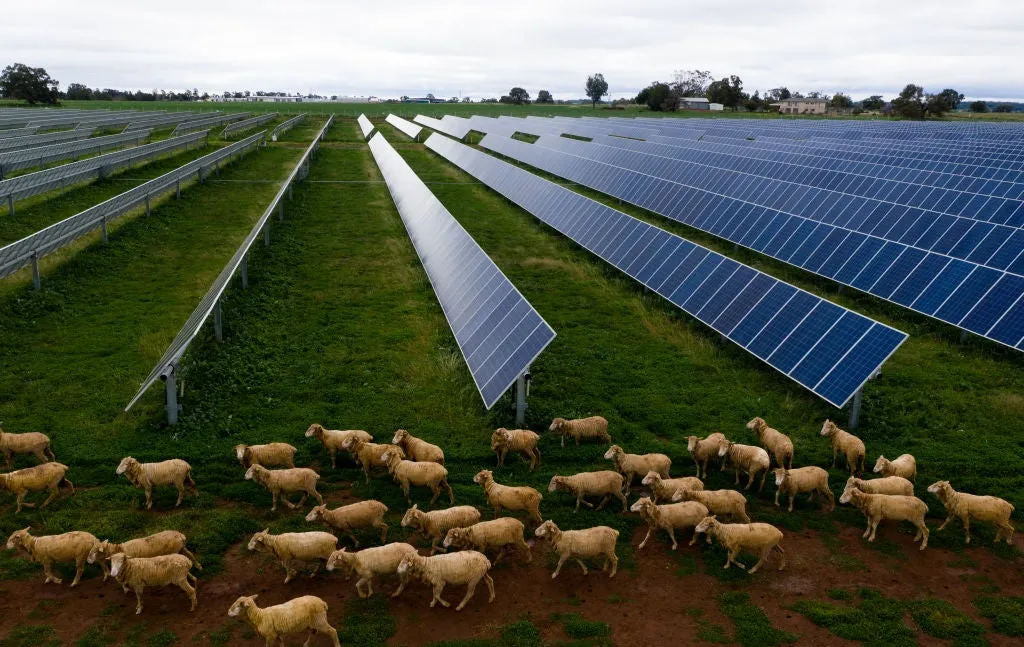
Moreover, the shift towards renewable energy can also create new revenue streams for farmers. Agri-voltarism, the practice of leasing farmland for solar or wind projects, can provide additional income for farmers. This can be particularly beneficial in regions where farm incomes are under pressure due to market fluctuations or climate change impacts.
However, the transition also poses challenges. The initial investment required for renewable energy infrastructure can be high, and not all farmers may have the resources to make the switch. Additionally, the intermittency of renewable energy sources can pose challenges for farms that require a constant power supply.
For investors, the stagnation and managed decline of fossil fuels signal a shift in the energy market. Investments in renewable energy technologies are likely to grow, driven by both regulatory pressures and market demand. This presents opportunities for investors to diversify their portfolios and support the transition to a low-carbon economy.
However, investors should also be aware of the risks associated with this transition. The energy market is undergoing rapid changes, and the performance of renewable energy technologies can be influenced by various factors, including weather conditions and technological advancements. Therefore, a diversified investment strategy that balances risk and return is crucial.
While the world is making progress in the shift to clean energy, overall emissions continue to rise, threatening to breach the key goal of the Paris Agreement. This underscores the need for sustained efforts and investments in renewable energy and other low-carbon technologies. For the agriculture sector and investors, the transition to renewable energy presents both opportunities and challenges, and navigating this transition will require careful planning and strategic decision-making.