
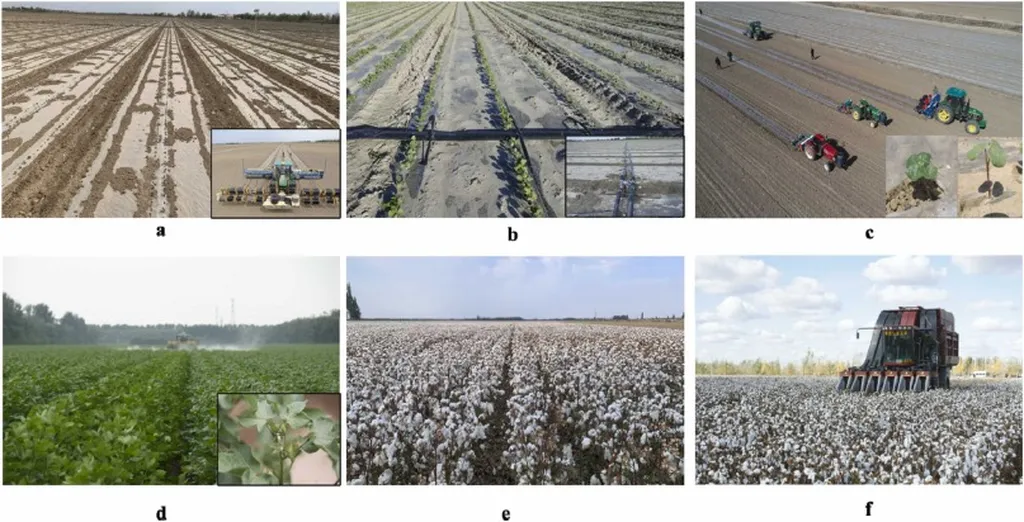
In the vast cotton fields of China, a tiny chemical compound is making a big difference. Mepiquat chloride (MC), a plant growth regulator (PGR), has been a staple in cotton production for decades, and new research is shedding light on its profound impact on crop yield and quality. A comprehensive review published in the Journal of Cotton Research, led by Xinyao Liu from the State Key Laboratory of Plant Environmental Resilience at China Agricultural University, delves into the physiological mechanisms, agronomic integration, and future trajectories of MC in cotton cultivation.
MC’s role in cotton production is multifaceted. It influences root development, accelerates flowering, optimizes canopy structure, and enhances assimilate partitioning—key factors in improving cotton’s growth architecture and stress resilience. The review highlights MC’s stage-specific roles, from early growth stages to late-season yield formation, and its interactions with plant hormones like gibberellin and cytokinin.
The research conceptualizes the evolution of MC deployment into three tiers: symptom-guided remedial application, systemic growth-stage programming, and integrated management with agronomic practices. This progression reflects a shift from reactive to proactive and ultimately to a holistic approach in cotton management.
“MC is not just a chemical; it’s a tool that, when used wisely, can significantly enhance cotton production,” says Liu. The review underscores the importance of precision regulation, supported by field validation across China’s cotton belts, offering a roadmap for future applications.
The commercial implications of this research are substantial. Cotton is a major cash crop, and any improvement in yield and quality can have significant economic impacts. By optimizing MC use, farmers can potentially increase their yields, improve fiber quality, and enhance their crops’ resilience to environmental stresses. This could lead to more stable and profitable cotton production, benefiting both farmers and the broader agricultural sector.
Looking ahead, the review discusses the potential of nano-formulations, digital agriculture, and PGR synergism in unlocking next-generation yield frontiers. These advancements could further refine MC application, making it more precise, efficient, and effective.
As the agricultural sector continues to evolve, research like this plays a crucial role in shaping future developments. By understanding and leveraging the power of PGRs like MC, we can pave the way for more sustainable and productive cotton farming practices. The insights from this review, backed by decades of research and field validation, offer a promising path forward for the cotton industry.