
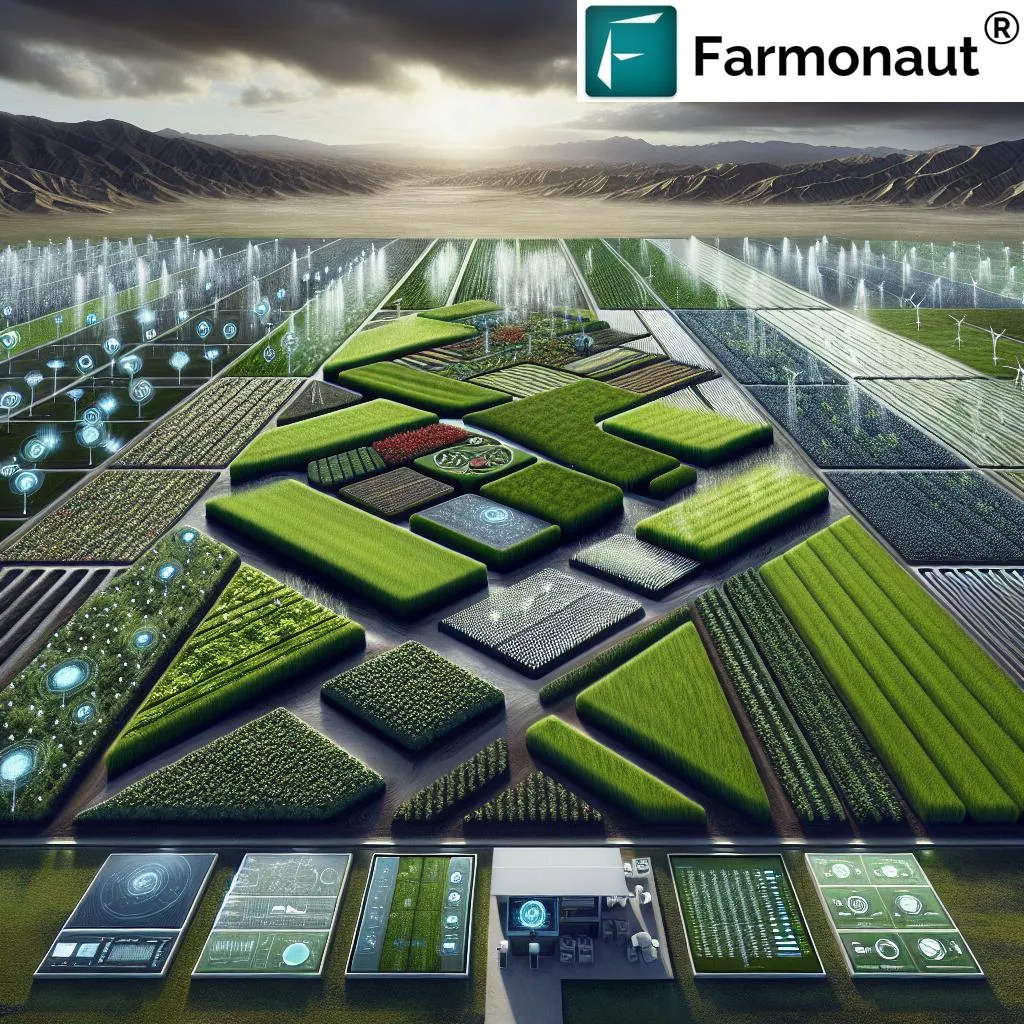
In the heart of Indonesia, a groundbreaking study is reshaping the future of agriculture, merging artificial intelligence with solar-powered smart irrigation to tackle global food security and sustainability challenges. Published in *Smart Agricultural Technology*, the research led by Nurmalitasari from the Faculty of Computer Science at Universitas Duta Bangsa Surakarta, offers a comprehensive review of how AI-driven solar smart irrigation can revolutionize farming practices.
The study systematically reviews 29 peer-reviewed articles published between 2016 and 2025, highlighting the transformative potential of integrating AI with solar-powered irrigation systems. These innovations promise to enhance water management, boost crop productivity, and build climate resilience—key factors for sustainable agriculture.
“AI-driven solar smart irrigation systems are not just a technological advancement; they are a necessity for the future of farming,” Nurmalitasari emphasizes. The research identifies eight key technological clusters that form the backbone of these systems, including IoT-based environmental sensing, machine learning algorithms, solar photovoltaic (PV) pumping systems, and real-time monitoring. These components work together to create precision irrigation systems that optimize water use and energy consumption.
The findings are impressive: water-use efficiency improvements of up to 70%, crop yield increases ranging from 15% to 40%, and significant reductions in energy consumption and greenhouse gas emissions. These advancements directly contribute to several Sustainable Development Goals (SDGs), including SDG 2 (Zero Hunger) through improved food production, SDG 6 (Clean Water and Sanitation) via efficient water use, SDG 7 (Affordable and Clean Energy) by utilizing renewable solar energy, and SDG 13 (Climate Action) by mitigating carbon emissions.
However, the path to widespread adoption is not without challenges. The study highlights significant barriers, particularly in developing regions, such as inadequate infrastructure, high initial costs, and limited digital literacy. “While the benefits are clear, we must address these challenges to ensure that these technologies are accessible and beneficial for all farmers, regardless of their location or resources,” Nurmalitasari notes.
To overcome these hurdles, the research proposes a future roadmap that emphasizes modular and open system architectures. These systems would integrate predictive analytics, soil-climate modeling, and renewable energy optimization, making them adaptive, scalable, and inclusive. The goal is to support climate-resilient and sustainable agriculture that can withstand the pressures of climate change and resource scarcity.
The commercial implications for the agriculture sector are substantial. Farmers who adopt these technologies can expect higher yields, reduced water and energy costs, and a smaller environmental footprint. This not only enhances profitability but also aligns with the growing consumer demand for sustainably produced food. As the global population continues to grow, the need for efficient and sustainable farming practices becomes ever more critical.
Nurmalitasari’s research offers a glimpse into the future of agriculture, where technology and sustainability intersect to create a more resilient and productive farming landscape. By addressing the current challenges and embracing innovative solutions, the agriculture sector can pave the way for a more secure and sustainable future.
As the world grapples with the impacts of climate change and resource depletion, the insights from this study are crucial for guiding future research, informing policy, and accelerating the development of smart irrigation technologies. The journey towards sustainable agriculture is complex, but with the right tools and strategies, it is a journey we can navigate successfully.