
In the heart of Guangzhou, a group of international journalists from Fiji, Malaysia, Indonesia, and other Asia-Pacific nations gathered at XAG’s SuperX Farm on November 30. Their mission? To explore how China’s smart agriculture technologies could address some of the most pressing challenges faced by their countries: climate change, shrinking labor forces, and rising costs.
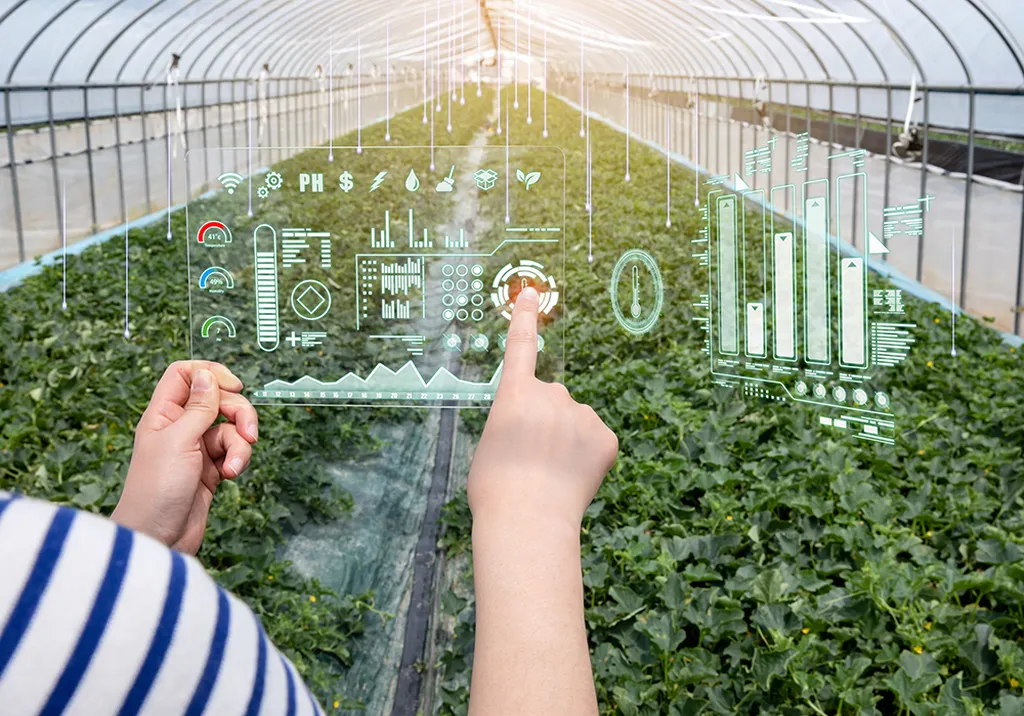
The visit was part of the Maritime Silk Road Joint Media Tour, organized by South in Guangdong. The journalists witnessed firsthand how drones, robots, and artificial intelligence (AI) are being integrated into large-scale, highly precise farming operations. At SuperX Farm, human labor is minimal—machines monitor crop growth, apply fertilizers, and manage fields with centimeter-level accuracy.
For many of the visiting journalists, the technologies on display offered not just inspiration but potential solutions to their home countries’ agricultural woes. Ritika Devi from the Fijian Broadcasting Corporation shared that her country faces severe climate-related disruptions, including cyclones, prolonged rainfall, and crop damage, leading to high food prices. She believes smart agriculture could help Fiji become more self-sufficient, especially as young people lose interest in farming. “With drone technology that reduces labor, we can overcome these challenges,” she said.
From Malaysia, Himanshu Bhatt, Editor of The Sun, reflected on the declining agricultural labor force as youth increasingly move toward high-tech and urban careers. He described what he saw as “a good marriage between technology and a necessary mission—meeting basic food needs for a growing population.” He noted that precision agriculture could help Malaysia meet long-term food challenges sustainably.
Meanwhile, Hanni Sofia from Indonesia’s Antara News Agency emphasized the need for technological adoption back home. “We need all these technologies in Indonesia,” she said, calling on Chinese investors to explore opportunities in her country.
The implications of the technologies showcased at SuperX Farm are significant. As the Asia-Pacific region grapples with climate change, labor shortages, and the need for sustainable food production, smart agriculture offers a promising path forward. The integration of drones, robots, and AI into farming operations can increase efficiency, reduce labor costs, and improve crop yields, even in the face of adverse weather conditions.
Moreover, the adoption of these technologies can help attract younger generations back to agriculture, making farming more appealing and accessible. This is crucial for countries like Fiji and Indonesia, where youth are increasingly drawn to urban and high-tech careers.
The visit to SuperX Farm also highlighted the potential for international collaboration and investment. As Hanni Sofia noted, there are opportunities for Chinese investors to explore agricultural technologies in other Asia-Pacific nations. This could lead to the transfer of knowledge, technology, and investment, benefiting both China and its neighbors.
In conclusion, the visit to XAG’s SuperX Farm offered a glimpse into the future of agriculture in the Asia-Pacific region. As countries grapple with shared challenges, smart agriculture technologies provide a beacon of hope, offering practical, scalable, and climate-resilient solutions. The journey towards sustainable and efficient farming is underway, and the Asia-Pacific region is actively seeking ways to harness these innovations for a food-secure future.