
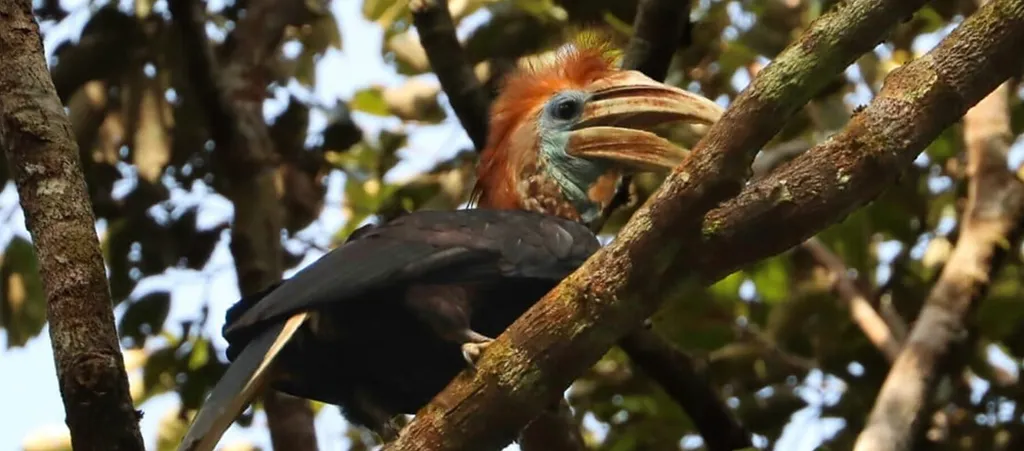
In a significant move for wildlife conservation, countries have agreed to new limits on the international trade of African hornbills. The decision, made at the ongoing Convention on International Trade in Endangered Species (CITES) meeting in Uzbekistan, lists seven species of African hornbills under Appendix II. This measure aims to regulate and monitor the international trade of these birds, ensuring their survival in the wild.
African hornbills play a crucial role in forest ecosystems, and their populations are threatened by the growing global demand for their parts. A recent report by Yale Environment 360 highlighted the burgeoning trade in hornbill skulls, beaks, stuffed birds, and live specimens, with online listings and international shipments surging. The report also noted that increased interest from foreign buyers is leading to heightened hunting of these birds.
The new CITES measure has been welcomed by conservationists, who hope it will bolster protections for Asian hornbill species as well. Although Asian hornbills are already listed under CITES, their resemblance to African species complicates enforcement efforts. The measure was supported by every country where these birds naturally occur, as well as major destinations for hornbill parts, such as the U.S. and E.U.
For the agriculture sector, the protection of hornbills and other wildlife can have several implications. Healthy ecosystems, of which hornbills are a part, contribute to agricultural productivity through services such as pollination, pest control, and soil health. Moreover, the loss of biodiversity can lead to increased pest and disease outbreaks, which can have significant economic impacts on farmers.
Investors, too, have a stake in wildlife conservation. The growing demand for wildlife products has led to increased poaching and illegal trade, which can undermine sustainable development and economic growth. By supporting conservation efforts and sustainable practices, investors can help protect biodiversity and promote long-term economic stability.
The new CITES measure is a step in the right direction, but it is not a panacea. Effective implementation and enforcement will be crucial to ensuring the survival of African hornbills and the health of the ecosystems they inhabit. Moreover, addressing the root causes of wildlife trade, such as poverty and lack of alternative livelihoods, will be essential for long-term conservation success.