
In a groundbreaking study published in *Industrial Crops and Products*, researchers have unveiled a promising new approach to combat salinity stress in crops using bio-based vanillic acid nanocomposites. Led by Azar Parvaneh from the Department of Biology at the University of Mohaghegh Ardabili in Iran, the research focuses on enhancing the salinity tolerance and essential oil quality of summer savory (*Satureja hortensis*), a valuable herb with medicinal properties.
Salinity is a significant challenge in agriculture, affecting soil quality and crop productivity. As global climate change exacerbates soil salinization, finding sustainable solutions to mitigate its impact is crucial. The study introduces vanillic acid-based nanocomposites (VANCs), synthesized via the coacervation method, as a novel nano-therapeutic approach. These nanocomposites are designed to deliver vanillic acid, a plant-derived antioxidant, more effectively to crops under stress.
The research team tested the efficacy of vanillic acid and VANCs at a concentration of 0.01 mg/mL on summer savory plants subjected to varying salt concentrations (0, 50, 100, and 150 mM NaCl). The results were striking. Under high salinity conditions, VANCs significantly improved growth parameters, photosynthetic performance, and antioxidant enzyme activities compared to vanillic acid alone. “The nanocomposites demonstrated superior effectiveness in mitigating salinity-induced stress, enhancing the plant’s ability to cope with adverse conditions,” Parvaneh noted.
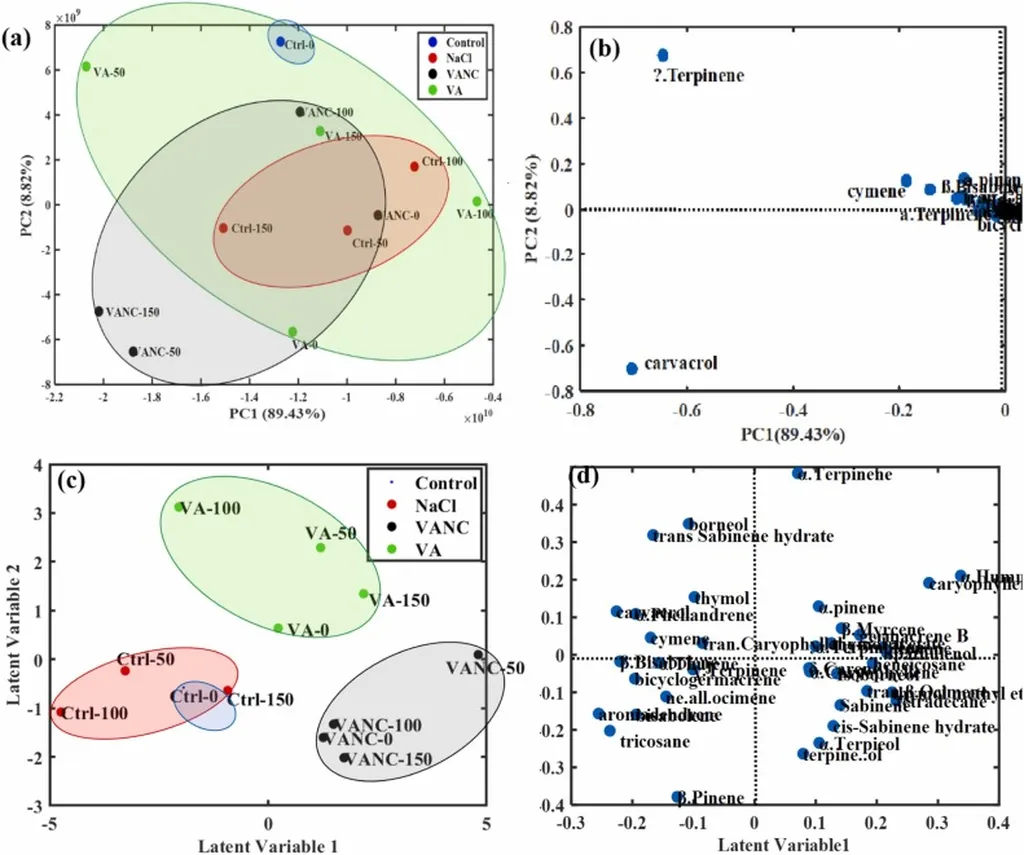
One of the most compelling findings was the impact of VANCs on the essential oil composition of summer savory. Essential oils are a valuable commodity in the agricultural sector, used in various industries, including pharmaceuticals, cosmetics, and food. The study revealed that VANCs were particularly effective in preserving or enhancing the concentrations of bioactive compounds in the essential oils under stress conditions. This could have significant implications for the commercial production of high-quality essential oils, especially in regions where soil salinity is a persistent issue.
The potential commercial impacts of this research are substantial. As soil salinity continues to threaten agricultural productivity, the development of eco-friendly and effective solutions like VANCs could revolutionize crop management practices. By enhancing crop resilience and maintaining the quality of essential oils, this technology could contribute to food security and economic stability in affected regions.
Looking ahead, the successful application of VANCs in summer savory opens the door for further research into their use with other crops. The study’s findings suggest that bio-based nanocomposites could be a versatile tool in sustainable agriculture, offering a novel approach to improve crop salt tolerance and the quality of economically important crops.
As the agricultural sector grapples with the challenges posed by climate change, innovative solutions like those presented in this research are more critical than ever. The work of Parvaneh and her team not only advances our understanding of nano-therapeutic approaches but also paves the way for future developments in the field. By harnessing the power of bio-based nanocomposites, we may be able to secure a more resilient and productive future for agriculture.