
In the heart of Germany, a team of researchers led by Martina Flörke, Chair of Engineering Hydrology and Water Resources Management at Ruhr University Bochum, is making waves in the world of water systems research. Their work, published in the inaugural issue of the new open-access journal *Environmental Research: Water*, is set to reshape our understanding of global water challenges and their solutions.
The journal, which covers the entire hydrological cycle, is a beacon of interdisciplinary collaboration, bringing together experts from diverse fields to tackle the complex issues surrounding water systems. Flörke and her team have contributed a study that delves into the intricate dynamics of water systems, with a particular focus on the agricultural sector.
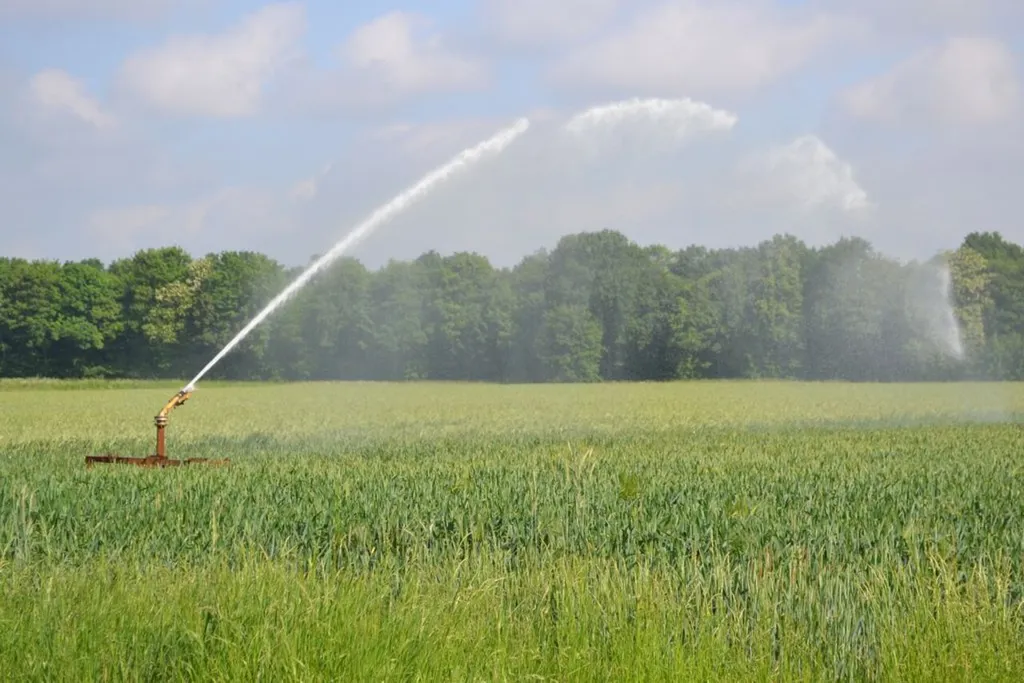
Their research explores the phosphorus mass balance in agricultural catchments, a critical area of study given the sector’s significant water usage and the potential for nutrient runoff to cause environmental degradation. By understanding these processes, the team aims to inform policy and advance sustainable water solutions, ultimately benefiting the agricultural industry.
“Our study highlights the importance of a holistic approach to water management,” Flörke explains. “By considering the entire hydrological cycle and the interconnectedness of various water systems, we can develop more effective and sustainable solutions for the agricultural sector and beyond.”
The commercial impacts of this research are substantial. By improving water management practices, farmers can enhance crop yields, reduce water usage, and minimize environmental impact. This not only benefits the bottom line but also contributes to global efforts to achieve sustainable development goals.
Moreover, the journal’s commitment to open access ensures that these findings are widely disseminated, fostering collaboration and innovation in the field. As Flörke notes, “By sharing our research openly, we hope to inspire others to contribute to this vital area of study and drive forward the development of sustainable water solutions.”
The inaugural issue of *Environmental Research: Water* also features studies on satellite remote sensing for validating reservoir storage in global hydrological models, water quality responses to hydrological droughts, potable water source contamination after wildfires, water-related conflicts, and better accounting of water governance to deliver the SDGs and beyond. This diverse range of topics underscores the journal’s commitment to addressing the multifaceted challenges and opportunities related to water systems.
As we look to the future, the work published in *Environmental Research: Water* is poised to shape the development of sustainable water solutions worldwide. By encouraging collaboration and innovation, the journal is not only advancing our understanding of water systems but also paving the way for a more water-secure future.