
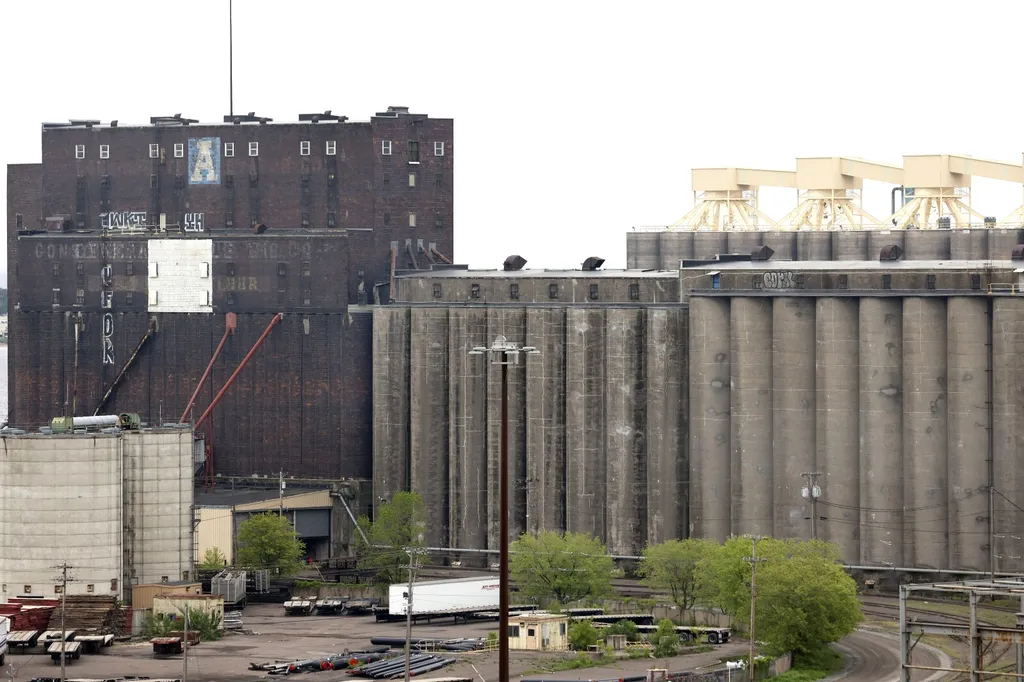
In the wake of Hansen-Mueller’s recent bankruptcy filing, grain producers across the nation are left grappling with the potential loss of compensation for grain sold to the now-insolvent dealer. This situation underscores the importance of understanding and utilizing state grain indemnity funds, a safety net designed to protect producers in such scenarios. These funds, established in 15 states, serve as a form of insurance, stepping in to compensate producers when licensed grain dealers or warehouses become unable to fulfill their payment obligations.
Grain indemnity funds are typically funded through assessments or fees collected from grain sales. For instance, Idaho producers contribute a 0.2% assessment on the total gross dollar amount of all commodity sales, while Kentucky producers are assessed at a rate of .0025 times the gross-value of grain covered by the fund. These funds are often capped at specific levels, with assessments only collected when the fund falls below the threshold. Indiana, for example, maintains its fund at or above $20,000,000, with assessments only collected when the fund dips below this amount.
To qualify for assistance from a grain indemnity fund, producers must meet certain prerequisites, which vary from state to state. In Louisiana, a producer is defined as the owner, tenant, lessee, or operator of land within the state who has an interest in or receives part of the proceeds from the sale of agricultural commodities produced thereon. Idaho, on the other hand, requires every producer to pay an assessment for deposit into the commodity indemnity fund to qualify for coverage.
However, it’s not just the producer that must meet certain criteria. The grain dealer or warehouse must also qualify. Many grain indemnity funds only cover licensed grain dealers and storage warehouses. Louisiana, for example, permits grain indemnity payments only when a licensed grain dealer or cotton merchant becomes insolvent. Additionally, some states require a formal bankruptcy filing by the grain dealer before the grain indemnity fund will take effect.
Producers should also be aware of the timing and process for applying for funding. Each state has its own window for filing claims, with deadlines ranging from 90 days to 36 months after the failure of the grain dealer. The claims process often involves presenting evidence justifying the claim, such as written evidence disclosing a storage obligation or a sale or delivery of commodities.
In light of Hansen-Mueller’s bankruptcy, producers are advised to familiarize themselves with their state’s grain indemnity fund requirements and processes. This includes knowing whether their grain dealer or warehouse is licensed, confirming that assessments have been made on their behalf, and understanding the timeline and documentation required for filing a claim. By taking these steps, producers can better protect themselves and their livelihoods in the event of a grain dealer’s insolvency.