
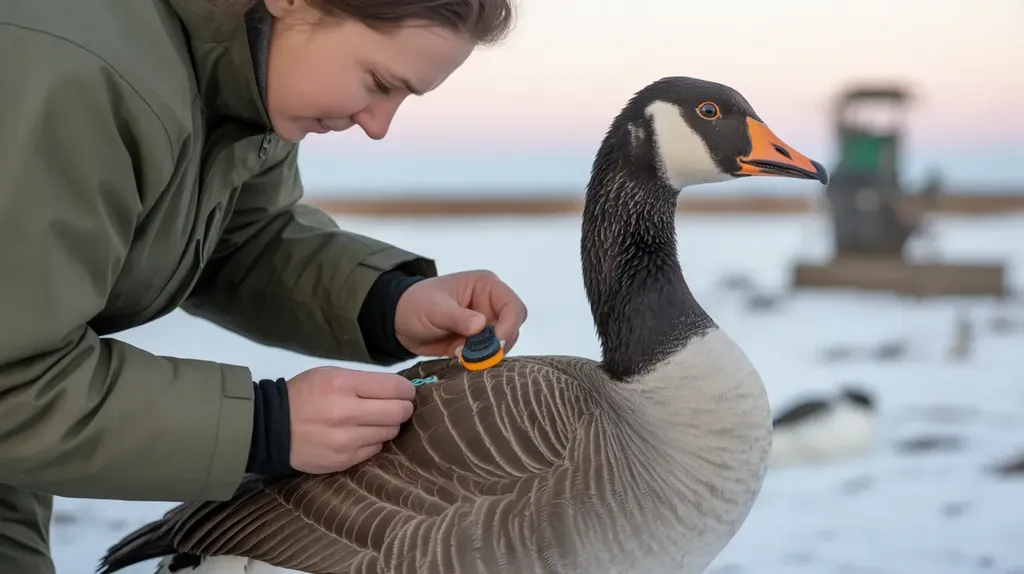
German scientists have successfully relaunched the ICARUS satellite system, a global initiative aimed at tracking wildlife movement, behavior, and health. The system, initially launched in 2020 in collaboration with Russian researchers, was halted in 2022 following Russia’s invasion of Ukraine. The recent relaunch involved sending the first receiver into space aboard a SpaceX Falcon 9 rocket as part of a German research satellite, with plans to launch a second receiver next year and six more by 2027.
The ICARUS system gathers data from tiny sensors attached to a wide range of animals, from birds and bats to sea turtles and zebras. This data is transmitted to the receivers in space, providing scientists with valuable insights into wildlife patterns and behaviors. The system’s redesign has resulted in a significantly smaller receiver that consumes less energy and can gather data from four times as many sensors as its predecessor.
For the agriculture sector, the ICARUS system offers several potential benefits. By tracking wildlife movements, farmers and agricultural researchers can better understand and mitigate the impact of pests and diseases on crops. For instance, tracking bird migrations can help predict and prevent the spread of avian influenza, while monitoring rodent movements can aid in controlling crop-damaging pests. Additionally, understanding the behavior of pollinators like bees and bats can help improve crop yields and agricultural practices.
Investors in the agritech and environmental sectors may find the ICARUS system particularly appealing. The data collected can inform investment decisions in areas such as precision agriculture, pest management, and conservation efforts. The system’s ability to provide real-time data on wildlife health and behavior can also support investments in biodiversity and ecosystem services, which are increasingly recognized for their role in sustainable agriculture and food security.
Moreover, the ICARUS system’s potential to spot emerging threats, such as habitat loss and disease outbreaks, can guide investments in climate-smart agriculture and resilient farming practices. As the system continues to expand with the launch of additional receivers, its data could become an invaluable tool for investors looking to support innovative and sustainable solutions in the agriculture sector.
The relaunch of the ICARUS system marks a significant step forward in global wildlife monitoring and conservation efforts. For the agriculture sector and investors, it presents a unique opportunity to leverage cutting-edge technology for more sustainable and productive farming practices.