
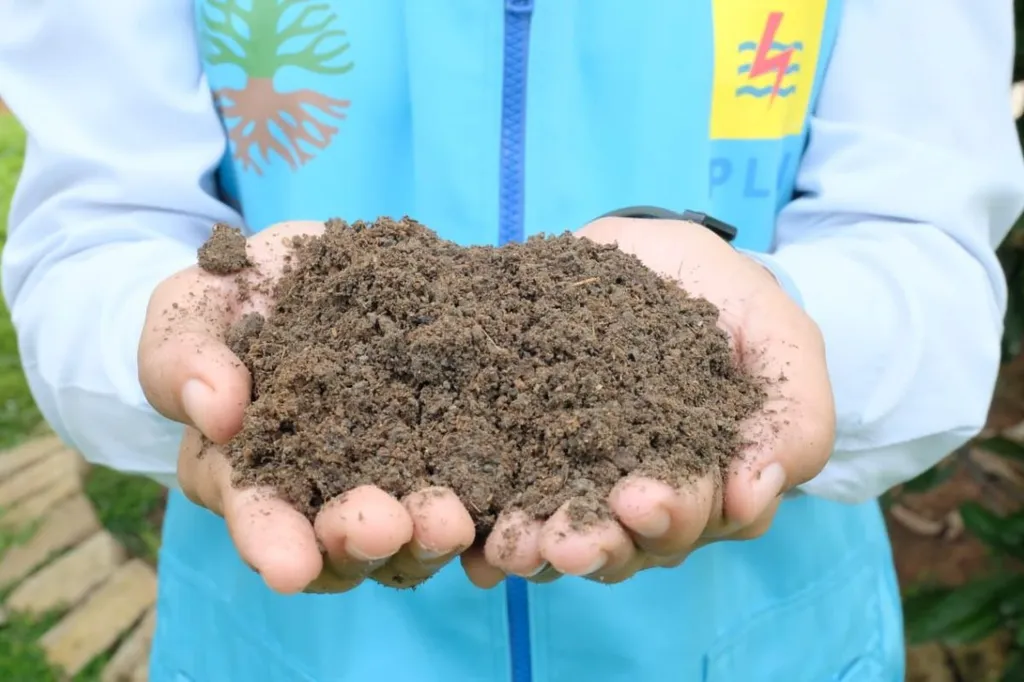
In the heart of Indonesia’s agricultural landscape, a critical examination of soil fertility and sustainability is reshaping the way we view intensive farming. A recent study published in *Jurnal Presipitasi* and led by Septian Hadi Nugraha from IPB University, Indonesia, delves into the intricate balance between soil health and the economic viability of shallot farming in Larangan District, Brebes Regency. This research not only highlights the current state of soil fertility but also offers a comprehensive sustainability analysis that could influence future agricultural practices.
The study employs two distinct approaches to evaluate soil fertility. The first method, Base Cation Saturation Ratio (BCSR), aligns with the research conducted by Koppitke & Menzies in 2007, providing a nuanced understanding of nutrient distribution. The second approach combines various soil chemical properties, as recommended by the Soil Research Center of Indonesia. The findings reveal a moderate soil fertility status in Larangan District, with notable imbalances in nutrient ratios. “The nutrient unbalance is a critical factor that could impact the long-term productivity of the soil,” Nugraha explains. “Addressing this imbalance is essential for maintaining sustainable agricultural practices.”
Beyond soil fertility, the research employs the Rapid Appraisal for Farming (RAP-Farm) approach to assess the sustainability of shallot farming intensification. This method evaluates six key aspects: ecological, economic, social, institutional, technological, and logistics and infrastructure, encompassing a total of 36 factors. The results indicate a less sustainable status, particularly in the ecological, economic, and technological domains. “The sustainability status is a wake-up call for farmers and policymakers,” Nugraha states. “It underscores the need for integrated strategies that balance economic gains with environmental stewardship.”
The commercial implications of this research are profound. Shallot farming is a significant economic driver in Larangan District, and the findings suggest that current practices may not be sustainable in the long term. By addressing soil fertility and implementing more sustainable practices, farmers can enhance productivity while preserving the ecological balance. “This research provides a roadmap for sustainable intensification,” Nugraha adds. “It offers practical insights that can guide farmers and policymakers in making informed decisions.”
The study’s multi-aspect sustainability analysis is particularly noteworthy. By considering ecological, economic, social, institutional, technological, and logistical factors, the research offers a holistic view of the challenges and opportunities in intensive farming. This comprehensive approach could serve as a model for future studies, encouraging a more integrated and sustainable agricultural sector.
As the agricultural industry continues to evolve, the findings from this research could shape future developments in soil management and sustainable farming practices. By prioritizing soil health and sustainability, farmers can ensure long-term productivity and economic viability. The study’s emphasis on balancing economic gains with environmental stewardship is a critical step towards a more sustainable future for agriculture.
In the words of Septian Hadi Nugraha, “This research is not just about understanding the current state of soil fertility and sustainability. It’s about paving the way for a more resilient and sustainable agricultural sector.” As the industry looks to the future, the insights from this study will undoubtedly play a pivotal role in shaping the trajectory of intensive farming.