
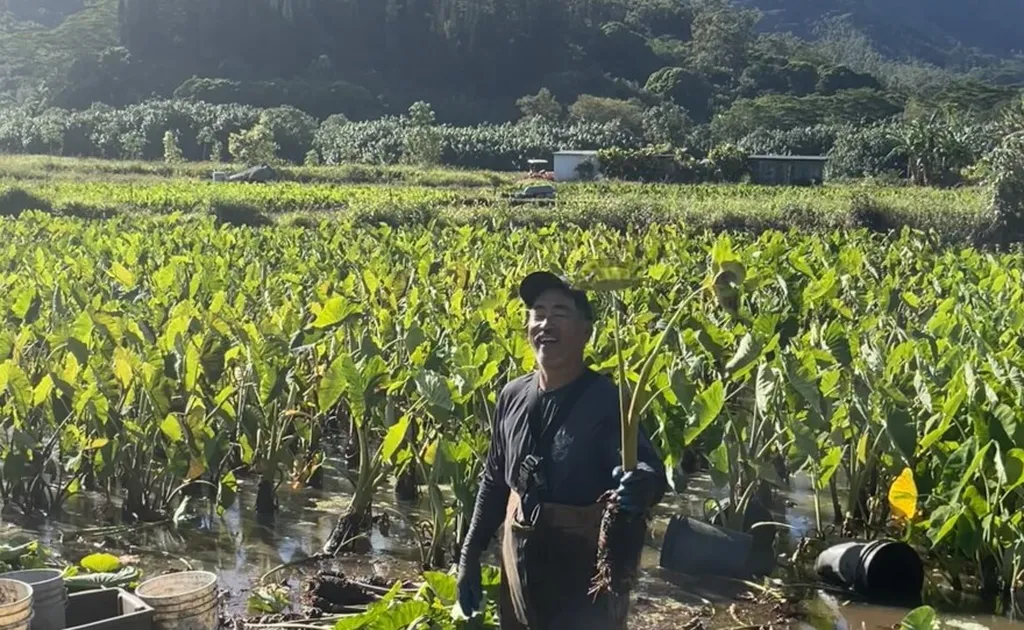
In the heart of the Pacific Islands, where taro is more than just a staple food—it’s a cultural cornerstone—farmers are grappling with the harsh realities of climate change. A recent study published in *Frontiers in Sustainable Food Systems* sheds light on how shifting weather patterns and extreme events are exacerbating food loss and threatening food security in Samoa and Tonga. The research, led by Christian-Yves Amato-Ali from the Centre for Sustainable Futures at The University of the South Pacific in Suva, Fiji, offers a sobering look at the challenges facing taro farmers and the broader agricultural sector.
The study, which surveyed 70 farmers and shadowed eight from harvest to sale, reveals that climate change is not just an environmental issue but a significant economic one. “Climate change factors such as shifting rainfall patterns and extreme weather events are directly impacting postharvest losses,” Amato-Ali explains. “This, in turn, affects the affordability and availability of taro, which is a critical component of food security in these islands.”
The findings highlight that while climate change is a major factor, it’s not the only one. Non-climatic issues like labor shortages, poor handling practices, limited transportation, and inadequate storage facilities are also contributing to the problem. These challenges are not just affecting the farmers but the entire taro value chain, from production to consumption.
One of the most striking aspects of the study is the resilience and adaptability of the farmers. Despite the challenges, they have adopted various strategies to mitigate losses. These include using early warning systems to anticipate extreme weather events, prompt harvesting to avoid damage, and soil protection practices to maintain the quality of their crops.
The commercial impacts of these findings are profound. For the agriculture sector, the study underscores the need for robust infrastructure development and better postharvest handling practices. It also highlights the importance of integrating climate change considerations into agricultural policies and practices. As Amato-Ali notes, “By linking climate change, food security, and food loss along the taro value chain, we can identify strategies for policies that can provide support for infrastructure development for fostering sustainable, climate-resilient taro farming systems in the Pacific Islands.”
The research also points to the need for further investment in climate-resilient technologies and practices. This could include everything from improved storage facilities to better transportation networks. It also underscores the importance of community engagement and education, as farmers are often the first line of defense against food loss and insecurity.
As the world grapples with the impacts of climate change, studies like this one offer valuable insights into the challenges facing farmers in vulnerable regions. They also provide a roadmap for developing more resilient and sustainable agricultural systems. For the taro farmers of Samoa and Tonga, the future may be uncertain, but with the right support and strategies, they can continue to play a vital role in ensuring food security and cultural preservation in the Pacific Islands.