
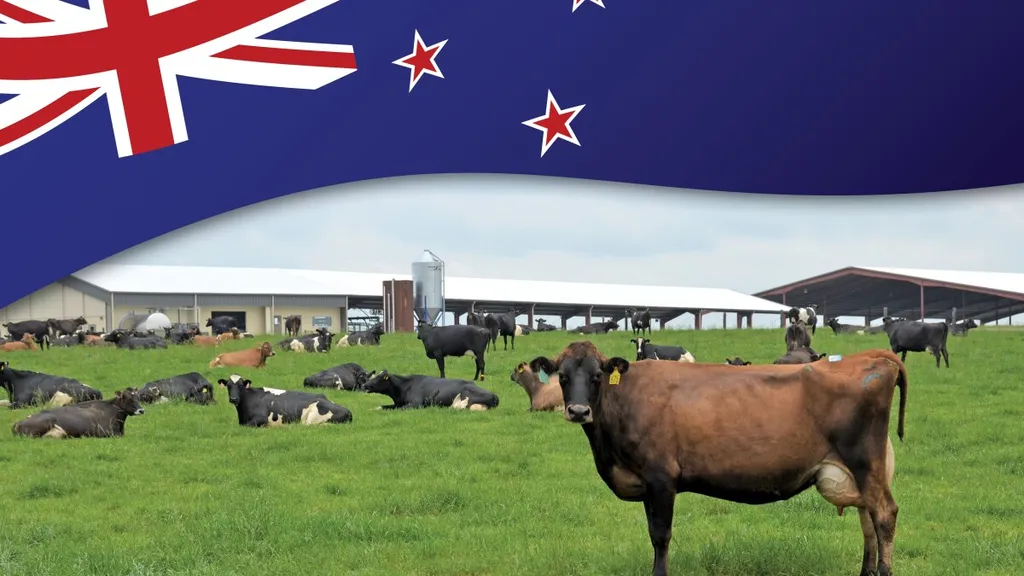
In the heart of New Zealand’s pastoral systems, a critical examination of pasture establishment is underway, with significant implications for the dairy, sheep, and beef industries. A recent perspective paper published in *Frontiers in Sustainable Food Systems* delves into the challenges and innovations shaping the future of pasture management, with lead author Andrew D. Cartmill of Massey University’s School of Agriculture and Environment at the helm.
The paper highlights the pivotal role of perennial ryegrass and white clover in New Zealand’s agricultural landscape, but also explores the growing interest in mixed species swards. “Farmers are increasingly looking beyond simple grass/legume mixtures to incorporate a wider range of species,” Cartmill notes. This shift is driven by the need for greater resilience and productivity in the face of environmental variability and climate change.
One of the key challenges addressed in the paper is the impact of environmental factors on seed germination and seedling persistence. Soil type, moisture, and temperature all play crucial roles in the success of pasture establishment. “Understanding these factors is essential for optimizing sowing techniques and post-establishment management,” Cartmill explains. The paper also examines the economic and environmental impacts of various establishment methods, including overgrazing, chemical termination, and direct drilling.
The integration of new technologies is another focal point of the research. Precision agriculture, robotics, and advanced seed genetics are poised to revolutionize pasture management, but barriers to adoption remain. “While these technologies offer exciting possibilities, their successful implementation depends on addressing practical and economic constraints,” Cartmill observes.
From an agroecological perspective, the paper advocates for a systems-based approach that integrates biodiversity, farmer knowledge, and long-term resilience. This holistic strategy is crucial for ensuring the future productivity and ecological integrity of New Zealand’s pastoral systems.
The research also identifies several research gaps, including species persistence, climate adaptation, and policy support. “Collaborative innovation is key to overcoming these challenges and optimizing pasture management in a changing climate,” Cartmill emphasizes.
The commercial impacts of this research are substantial. Improved pasture establishment and management practices can enhance productivity, reduce costs, and promote sustainability, ultimately benefiting the entire agricultural sector. As the industry grapples with the complexities of climate change and environmental stewardship, the insights provided by this perspective paper offer valuable guidance for farmers and policymakers alike.
In the quest for sustainable and productive pastoral systems, this research serves as a call to action. By embracing innovation, fostering collaboration, and prioritizing long-term resilience, the agricultural sector can navigate the challenges ahead and secure a prosperous future for New Zealand’s pastoral systems.