
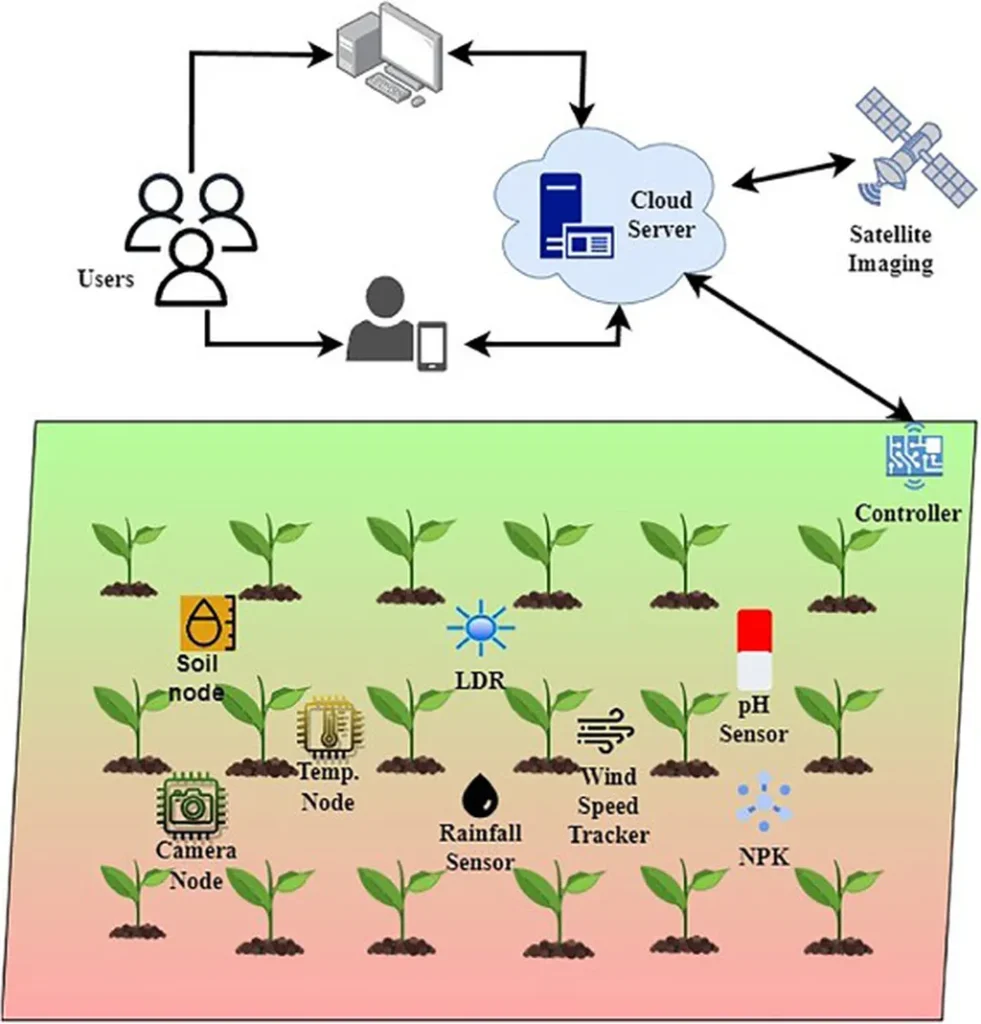
In the heart of the digital age, where technology and agriculture intersect, a new study is shedding light on the future of smart farming. Researchers have turned to an unexpected group to understand the adoption of Internet of Things (IoT) technologies in agriculture: university students. As the future innovators and decision-makers, their perspectives could shape the trajectory of sustainable farming.
The study, published in *Human Behavior and Emerging Technologies*, explores the factors influencing students’ acceptance of IoT in agriculture. Led by Zulfadli Hazim Zul Azlan from the Faculty of Computer Science and Information Technology, the research uses an expanded Technology Acceptance Model (TAM) to analyze survey data from students. The findings reveal key drivers that could boost IoT adoption in the agriculture sector, potentially revolutionizing how we approach sustainable farming.
“Understanding the factors that influence students’ acceptance of IoT is crucial,” says Zul Azlan. “They are the future agricultural innovators, and their perspectives can provide valuable insights into how we can advance sustainable farming practices.”
The study identifies several factors that influence students’ acceptance of IoT in agriculture. These include perceived usefulness, ease of use, and the social influence of peers and mentors. Interestingly, the research also highlights the role of environmental concerns in shaping students’ attitudes towards IoT technologies. This suggests that appealing to students’ desire to promote sustainability could be a key strategy for increasing IoT adoption in agriculture.
The commercial impacts of this research are significant. As the agriculture sector grapples with the challenges of climate change and resource scarcity, IoT technologies offer a promising solution. By enabling efficient monitoring and control of agricultural processes, IoT can help reduce carbon emissions, conserve resources, and increase output. However, the adoption of these technologies has been limited, and this research could provide valuable insights into how to overcome these barriers.
Moreover, the study’s focus on university students offers a unique perspective. As the future workforce, their attitudes and behaviors will shape the agriculture sector in the coming years. By understanding their perspectives, stakeholders can develop strategies to promote IoT adoption and advance sustainable farming practices.
The research also enriches the existing literature on technology adoption in agriculture. By using an expanded TAM and analyzing student survey data, the study provides a comprehensive understanding of the factors influencing IoT acceptance. This could serve as a foundation for future research in this area.
As we look to the future, this research offers a glimpse into how IoT technologies could transform the agriculture sector. By understanding the factors that influence students’ acceptance of these technologies, we can develop strategies to promote their adoption and advance sustainable farming practices. In doing so, we can help ensure a more sustainable and productive future for agriculture.