
In the heart of China’s Greater Bay Area, Guangzhou’s economic prowess is intrinsically linked to its water resources, a relationship that has recently come under the microscope in a study published in *Renmin Zhujiang*. The research, led by CHEN Tao, delves into the decoupling dynamics between water resources utilization and economic development, offering insights that could reshape agricultural practices and industrial policies in the region.
The study, which spans a decade from 2014 to 2023, employs the decoupling index to analyze the ecological footprint of water resources in Guangzhou. The findings paint a nuanced picture of the city’s water resource management. “The per capita ecological footprint of water resources in Guangzhou is on a decline,” notes CHEN Tao, a trend that bodes well for sustainable water use. This reduction is a positive indicator, suggesting that Guangzhou is making strides in conserving its water resources, a critical factor for the city’s long-term economic and environmental health.
However, the study also reveals a significant ecological deficit in per capita water resources. This deficit underscores the pressure on Guangzhou’s water resources and the urgent need for robust ecological environment protection measures. The ecological footprint of water resources and economic development are generally coordinated, but the relationship is not without its fluctuations, particularly in the industrial and agricultural sectors.
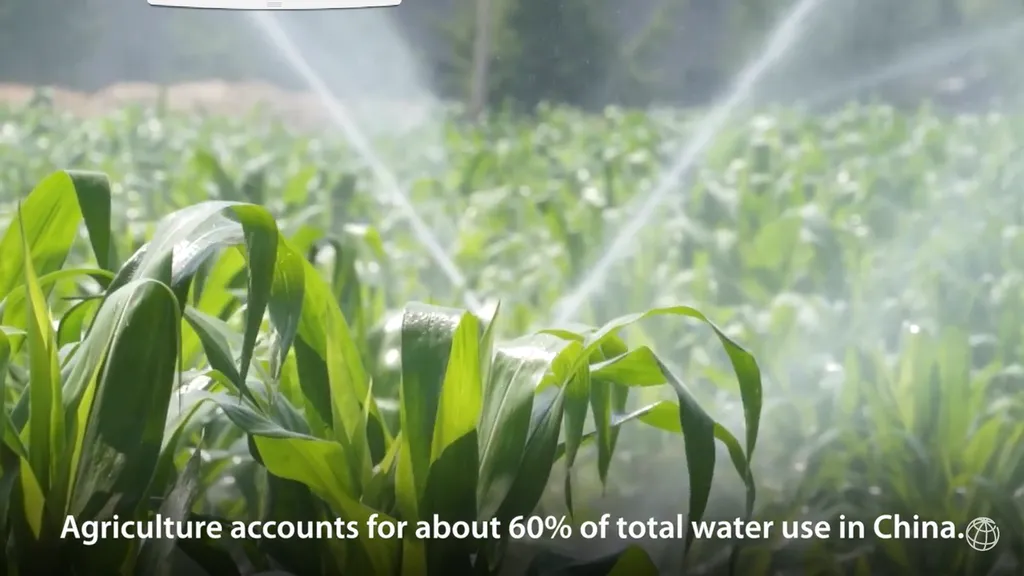
The implications for the agriculture sector are profound. The study highlights the need for Guangzhou to strengthen water management and optimize its industrial structure. This could translate into a push for more water-efficient agricultural practices and technologies. “Promoting water-saving technologies, equipment, and processes is crucial,” CHEN Tao emphasizes. This could open up new commercial opportunities for agritech companies specializing in water conservation and efficient irrigation systems.
The research also suggests that Guangzhou needs to stabilize the fluctuating relationship between water resources and economic development in industry and agriculture. This could involve a shift towards more sustainable industrial practices and a greater emphasis on water recycling and reuse. For the agriculture sector, this could mean adopting precision agriculture techniques that minimize water waste and maximize crop yield.
The study, published in *Renmin Zhujiang* and led by CHEN Tao, offers a comprehensive analysis of Guangzhou’s water resource management. It serves as a wake-up call for the city to address its ecological deficit and stabilize the decoupling dynamics between water resources and economic development. The findings could shape future developments in water management policies and agricultural practices, not just in Guangzhou but also in other water-stressed regions. As the world grapples with the impacts of climate change, such research is invaluable in guiding sustainable development and resource management.