
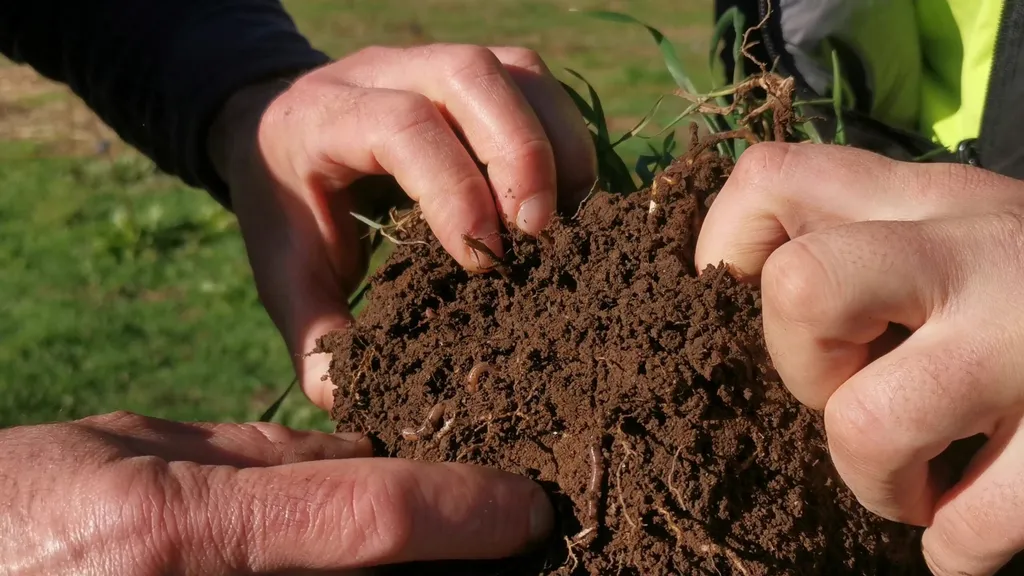
In the heart of Poland, a silent transformation is unfolding, one that could reshape the way we understand the delicate balance between agriculture and biodiversity. A recent study, led by Katarzyna Szyszko-Podgórska from the Center for Sustainable Development at the Institute of Environmental Protection-National Research Institute, has shed light on the intricate interplay between human-induced landscape changes, soil fertility, and the diversity of carabid beetles and butterflies. Published in the journal Global Ecology and Conservation, this research offers a nuanced perspective on the commercial impacts for the agriculture sector and the broader ecological implications.
The study delves into the anthropogenic landscape transformations that have become a hallmark of modern agriculture. These changes, driven by the need for increased productivity, often come at the expense of natural habitats. Szyszko-Podgórska and her team have meticulously documented how these alterations affect soil fertility and the biodiversity of carabid beetles and butterflies, two critical indicators of ecosystem health.
“Our findings reveal a complex web of interactions,” Szyszko-Podgórska explains. “While some anthropogenic changes can initially boost agricultural yields, they often lead to a decline in soil fertility and biodiversity over time. This decline, in turn, can have cascading effects on ecosystem services that are vital for sustainable agriculture.”
The research highlights the importance of carabid beetles and butterflies as bioindicators. These species are sensitive to environmental changes and play crucial roles in pollination and pest control. The decline in their populations can signal broader ecological disruptions, which could ultimately impact agricultural productivity and profitability.
For the agriculture sector, the implications are profound. The study suggests that short-term gains in productivity through intensive farming practices may lead to long-term losses due to degraded soil health and reduced biodiversity. This could translate into higher input costs, lower yields, and increased vulnerability to pests and diseases.
The findings also underscore the need for more sustainable agricultural practices. “Integrating biodiversity conservation into farming practices is not just an ecological imperative but also an economic one,” Szyszko-Podgórska notes. “By maintaining diverse ecosystems, farmers can enhance soil fertility, improve pollination services, and reduce the need for chemical inputs, ultimately leading to more resilient and profitable agricultural systems.”
The study’s insights are particularly relevant in the context of global efforts to achieve sustainable development goals. As the world grapples with the challenges of feeding a growing population while preserving the environment, research like this provides valuable guidance for policymakers, farmers, and agricultural businesses.
Looking ahead, the research could shape future developments in agri-environmental policies and practices. It calls for a more holistic approach to agriculture that balances productivity with ecological sustainability. This could involve the adoption of agroecological principles, the promotion of biodiversity-friendly farming practices, and the development of incentives for farmers to conserve and enhance biodiversity on their lands.
In the words of Szyszko-Podgórska, “The future of agriculture lies in harmony with nature. By understanding and respecting the intricate web of life, we can create farming systems that are not only productive but also resilient and sustainable.”
As the world continues to transform its landscapes in pursuit of agricultural productivity, the lessons from Poland offer a timely reminder of the importance of preserving the natural systems that underpin our food production. The research led by Katarzyna Szyszko-Podgórska from the Center for Sustainable Development at the Institute of Environmental Protection-National Research Institute, published in Global Ecology and Conservation, serves as a clarion call for a more sustainable and harmonious approach to agriculture.