
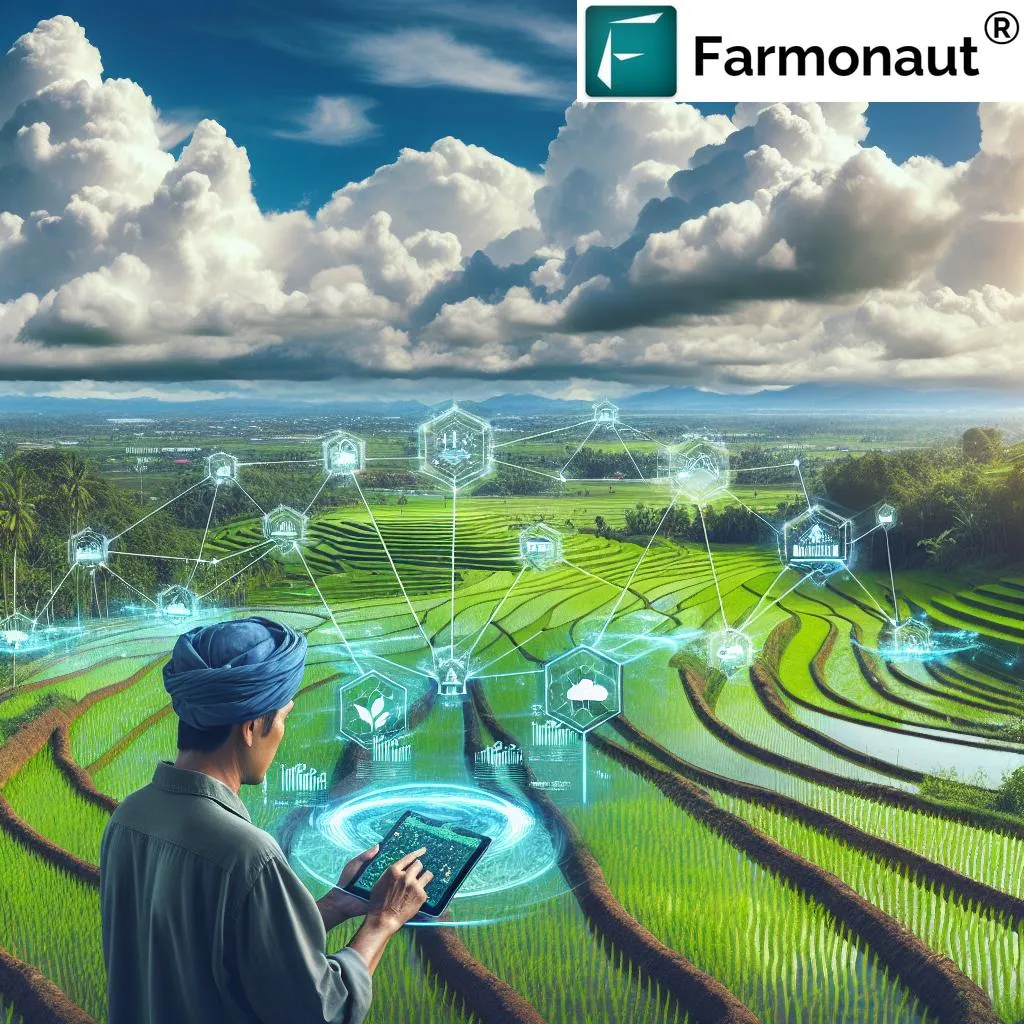
In the heart of Thailand’s verdant landscapes, a quiet revolution is taking root, one that promises to reshape the future of agriculture. A recent study published in the *International Journal of Information Management Data Insights* sheds light on the factors driving Thai farmers’ adoption of smart farming technologies (SFT), offering valuable insights for the global agriculture sector.
The research, led by Saowakhon Nookhao from the Digital Transformation and Technology Management Division at KMITL Business School, Thailand, explores the role of technology readiness motivators and their impact on the acceptance of SFT. The study, which surveyed 400 Thai farmers, reveals that farmers with positive attitudes and an innovative mindset are more likely to embrace these technologies. This is particularly significant as smart farming is seen as a key driver in achieving sustainable development goals and ensuring food security amidst climate change.
The study found that perceived ease of use and perceived usefulness act as mediating variables, indirectly influencing SFT acceptance. “Farmers who find these technologies easy to use and beneficial are more likely to adopt them,” Nookhao explains. This is a crucial finding, as it highlights the need for technologies that are not only advanced but also user-friendly and clearly beneficial to farmers’ daily operations.
From a commercial perspective, the implications are substantial. As the agriculture sector increasingly turns to technology to boost yields, reduce costs, and minimize environmental impact, understanding what drives farmers to adopt these technologies is invaluable. The study’s findings suggest that companies developing smart farming solutions should focus on demonstrating the usefulness and ease of use of their products. This could involve investing in user-friendly interfaces, comprehensive training programs, and clear communication of the benefits these technologies bring to the table.
Moreover, the study highlights the significant direct influence of perceived usefulness on SFT adoption. This underscores the importance of developing technologies that directly address farmers’ needs and challenges. For instance, technologies that help farmers monitor soil health, optimize water usage, or predict weather patterns can have a significant impact on their operations and bottom line.
On the other hand, perceived cost was found to have the highest negative direct influence on SFT adoption. This is a stark reminder that for many farmers, especially in developing countries, the cost of technology remains a significant barrier. As such, there is a need for affordable solutions and perhaps, innovative financing models that make these technologies more accessible.
Looking ahead, this research could shape the future development of smart farming technologies. It calls for a more farmer-centric approach, where technologies are designed with the end-user in mind. It also highlights the need for policies and initiatives that support farmers in their digital transformation journey, such as subsidies, training programs, and infrastructure development.
In the words of Nookhao, “The future of agriculture lies in smart farming, but for this to become a reality, we need to understand and address the factors that influence farmers’ technology adoption.” As the world grapples with the challenges of climate change and food security, this research offers a valuable roadmap for the agriculture sector’s digital future.