
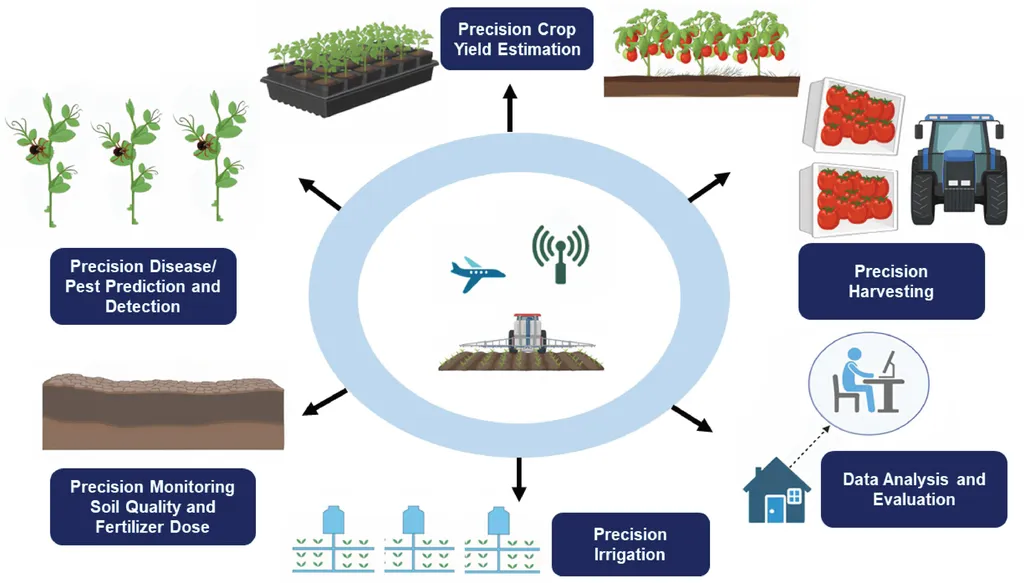
In the quest for sustainable agriculture, farmers and scientists alike are turning to innovative technologies to optimize crop nutrition and minimize environmental impact. A recent study published in *Frontiers in Plant Science* delves into the world of foliar nutrient analysis, offering a comprehensive look at its successes, opportunities, and challenges. The research, led by Theocharis Chatzistathis from the Institute of Soil and Water Resources at the Hellenic Agricultural Organization (ELGO)-DIMITRA in Athens, Greece, provides valuable insights that could revolutionize precision fertilization and nutrient use efficiency in crop species.
Foliar nutrient analysis involves assessing the nutrient content of plant leaves to diagnose deficiencies and guide fertilization strategies. This method offers a more dynamic and responsive approach compared to traditional soil testing, as it directly reflects the plant’s nutritional status. “By analyzing the nutrient composition of leaves, we can gain real-time insights into the nutritional health of crops,” explains Chatzistathis. “This allows for more precise and timely interventions, ultimately improving yield and quality.”
The study highlights several successes of foliar nutrient analysis, including its ability to detect nutrient deficiencies early and its potential to enhance nutrient use efficiency. Early detection of deficiencies enables farmers to apply targeted fertilizers, reducing waste and minimizing environmental contamination. Moreover, by optimizing nutrient application, farmers can achieve higher yields while using fewer resources, a critical factor in sustainable agriculture.
However, the research also identifies significant challenges. One of the primary hurdles is the variability in nutrient uptake and distribution within plants, which can complicate the interpretation of foliar analysis results. Additionally, the cost and accessibility of advanced analytical technologies can be prohibitive for small-scale farmers. “While the benefits are clear, we must address these challenges to make foliar nutrient analysis a viable option for all farmers,” notes Chatzistathis.
The opportunities presented by foliar nutrient analysis are vast. As precision agriculture continues to evolve, integrating foliar analysis with other technologies such as remote sensing and machine learning could provide even more accurate and actionable insights. This integration could lead to the development of automated systems that monitor and adjust nutrient levels in real-time, further enhancing efficiency and sustainability.
For the agriculture sector, the implications are profound. Precision fertilization not only improves crop yields but also reduces the environmental footprint of farming operations. By minimizing nutrient runoff and leaching, farmers can contribute to cleaner waterways and healthier ecosystems. Additionally, the economic benefits are substantial, as optimized nutrient use can lead to significant cost savings and increased profitability.
The research by Chatzistathis and his team underscores the importance of continued innovation and investment in foliar nutrient analysis. As the agricultural industry faces increasing pressure to adopt sustainable practices, technologies like foliar analysis will play a pivotal role in shaping the future of crop nutrition. By addressing the current challenges and leveraging the opportunities, farmers can achieve greater efficiency, sustainability, and profitability in their operations.
In the ever-evolving landscape of agritech, foliar nutrient analysis stands out as a promising tool for the future. With ongoing research and development, it has the potential to transform the way we approach crop nutrition, paving the way for a more sustainable and productive agricultural sector.