
In the quest for sustainable agriculture, researchers have been exploring various cultivation methods to minimize environmental impact while maximizing economic viability. A recent study published in *Cleaner Environmental Systems* sheds light on the environmental and economic performance of chicory production across different systems, offering valuable insights for the agriculture sector.
The study, led by Lorenzo Maria Curci from the Department of Biological and Environmental Sciences and Technologies at the University of Salento, compared traditional soil-based cultivation with hydroponics and decoupled aquaponics within two controlled environments: greenhouses and growth chambers. The findings reveal significant differences in both environmental and economic impacts.
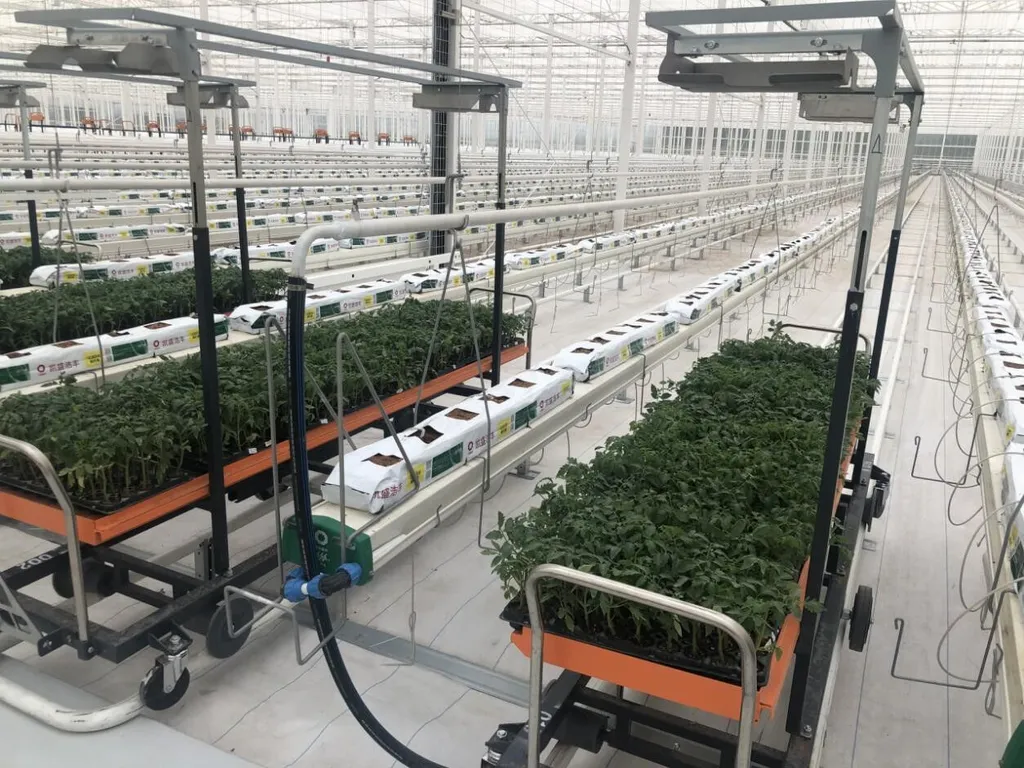
Greenhouses emerged as the more sustainable and cost-effective option for large-scale chicory production. “Greenhouses offer a cost-effective and sustainable option for large-scale production,” Curci noted, highlighting their lower global warming impacts and water consumption compared to growth chambers. The study found that greenhouses had global warming impacts ranging from 0.12 to 0.15 kg CO2 eq per plant, significantly lower than the 2.1 kg CO2 eq per plant observed in growth chambers. Additionally, water consumption was notably higher in growth chambers, primarily due to energy-related water use.
Economically, greenhouses also proved to be more advantageous. The cost of producing a single chicory plant in growth chambers ranged from €1.82 to €2.76, depending on the growing technique used. In contrast, greenhouses offered a more economical range of €0.37 to €1.33 per plant. These findings underscore the importance of selecting the appropriate growing environment based on production scale and end-use.
The study’s results have significant implications for the agriculture sector. For large-scale producers, greenhouses present a viable option that balances sustainability and economic performance. On the other hand, growth chambers, despite their higher resource requirements, offer precision control that can be beneficial for high-value applications such as urban agriculture and nutraceutical production.
As the agriculture sector continues to evolve, the insights from this study can guide stakeholders in making informed decisions about cultivation methods. The balance between environmental sustainability and economic viability is crucial for the future of agriculture, and this research provides a valuable framework for achieving that balance.
The study, published in *Cleaner Environmental Systems* and led by Lorenzo Maria Curci from the University of Salento, offers a comprehensive evaluation of chicory production systems, highlighting the strategic importance of selecting growing environments based on specific production needs and goals. As the agriculture sector looks towards a more sustainable future, these findings will undoubtedly shape the development of innovative and efficient cultivation practices.