
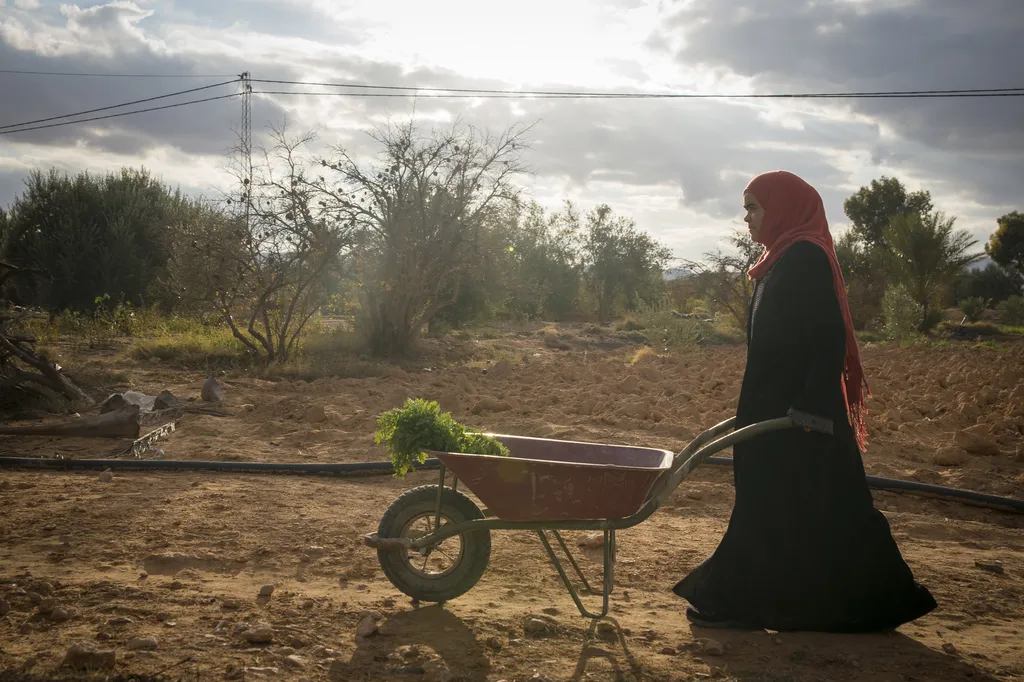
In the face of escalating climate change, farmers worldwide are grappling with a silent yet devastating threat: soil salinization and degradation. A recent study published in *Frontiers in Sustainable Food Systems* offers a glimmer of hope, presenting strategies to enhance soil and crop resilience against these challenges. Led by Mohamed Trigui from the Laboratory of Environmental Sciences and Sustainable Development at the University of Sfax, Tunisia, the research delves into the intricate world of sustainable agriculture and agroecology, providing insights that could revolutionize farming practices.
Soil salinization, a process where salt accumulates in the soil to detrimental levels, is exacerbated by climate change. Rising temperatures, erratic rainfall, and increased evaporation rates are pushing soils to their limits, threatening crop productivity and food security. “The problem is global, but its impacts are felt most acutely in arid and semi-arid regions,” Trigui explains. “These areas are already struggling with water scarcity, and salinization only compounds the issue.”
The study highlights several strategies to combat this growing problem. One key approach is the use of salt-tolerant plants, which can thrive in saline conditions and help restore degraded soils. “These plants are not just survivors; they are soil healers,” says Trigui. By integrating these species into cropping systems, farmers can maintain productivity while gradually improving soil health.
Another promising strategy is the implementation of agroecological practices. These include crop rotation, cover cropping, and organic amendments, all of which enhance soil structure, increase water retention, and reduce salt accumulation. “Agroecology is not a quick fix,” Trigui notes. “It’s a long-term investment in the health of our soils and the sustainability of our food systems.”
The commercial implications of this research are substantial. As climate change continues to intensify, the demand for salt-tolerant crops and agroecological expertise is likely to surge. Farmers who adopt these strategies early could gain a competitive edge, securing their livelihoods and contributing to global food security.
Moreover, the study underscores the importance of policy support and investment in research. Governments and agricultural organizations must prioritize soil health and resilience, providing farmers with the resources and knowledge they need to adapt to a changing climate.
Looking ahead, this research could shape the future of sustainable agriculture. By focusing on soil and crop resilience, farmers can mitigate the impacts of climate change and ensure the long-term productivity of their lands. “The future of farming lies in our ability to adapt,” Trigui concludes. “And adaptation begins with understanding and nurturing the soil beneath our feet.”
Published in *Frontiers in Sustainable Food Systems* and led by Mohamed Trigui from the Laboratory of Environmental Sciences and Sustainable Development at the University of Sfax, this study offers a roadmap for enhancing soil and crop resilience in the face of climate-driven salinization and degradation. As the agriculture sector grapples with these challenges, the insights from this research could prove invaluable, guiding farmers and policymakers toward a more sustainable and resilient future.