
In a significant stride towards sustainable materials, researchers have published a comprehensive review in *Materials Today Sustainability* that sheds light on the environmental benefits, applications, and future prospects of natural fiber composites (NFCs). The study, led by Rasel Ahmed from the NARP Research Lab at IUBAT–International University of Business Agriculture and Technology in Dhaka, Bangladesh, offers a fresh perspective on how NFCs can revolutionize industries while reducing reliance on non-renewable resources.
Natural fiber composites, derived from plant and animal fibers, are gaining traction as eco-friendly alternatives to conventional plastics. These composites are not only renewable and biodegradable but also require significantly less energy to manufacture. The review highlights five major categories of natural fibers—jute, flax, hemp, wool, and silk—and evaluates their environmental production, functionality, and industrial readiness based on carbon reduction targets and circular economy strategies.
One of the standout findings is the potential for NFCs to achieve up to 80% carbon reduction, a substantial leap towards sustainability. “The use of NFCs can drastically cut down on carbon emissions and energy consumption in manufacturing processes,” Ahmed noted. This is particularly relevant for the agriculture sector, which stands to benefit from the valorization of agricultural waste as raw materials for NFCs. By repurposing waste, farmers and agribusinesses can create additional revenue streams while contributing to a circular economy.
The review introduces a novel triple-pronged analytical framework to assess NFCs based on their clean production, robustness, and usability. Recent innovations such as hybrid composites, green processing techniques, and the integration of digital tools like AI-driven design and Digital Twin systems are also explored. These advancements promise to enhance the lifecycle management of NFCs, making them more competitive in the market.
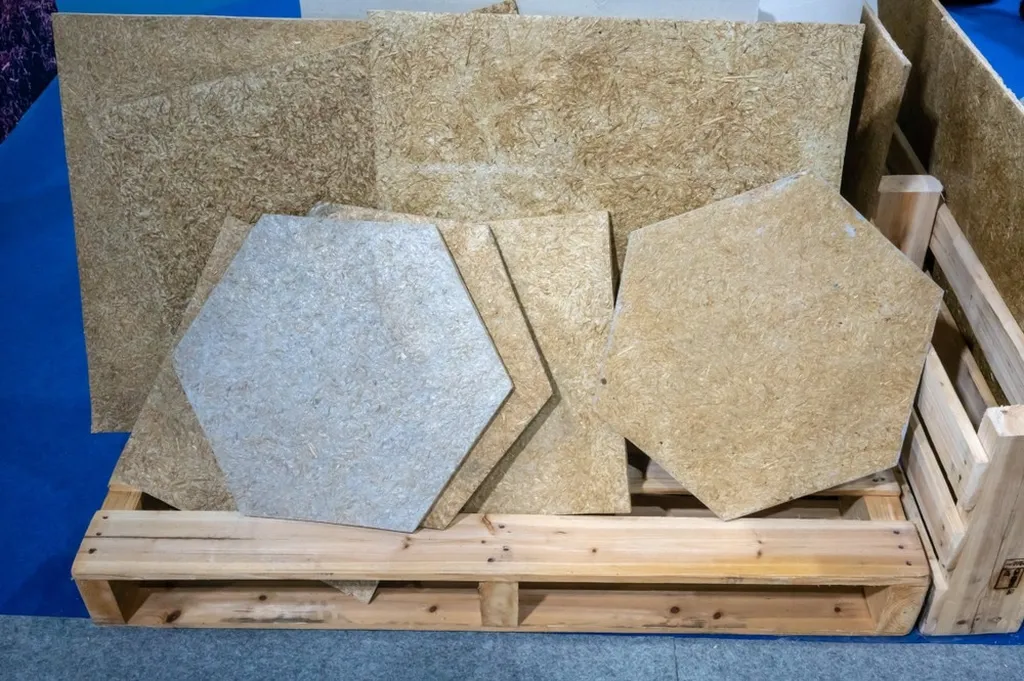
Despite their promise, NFCs face challenges such as property variability and moisture sensitivity. However, surface treatments, hybridization, and predictive models are emerging as solutions to these issues. The study underscores the potential of NFCs in various applications, including car interiors, building panel systems, packaging, and consumer products.
For the agriculture sector, the implications are profound. The shift towards NFCs could open new avenues for farmers to diversify their income by supplying raw materials for these composites. Additionally, the reduced environmental impact aligns with the growing consumer demand for sustainable products, potentially boosting market opportunities for agricultural byproducts.
As the world grapples with the urgent need for sustainable solutions, this research provides a roadmap for transitioning to green materials. By bridging the gap between plant- and animal-based fibers and highlighting recent technological advancements, the study offers a unique framework to understand the current challenges and future prospects of NFCs. With ongoing innovations and strategic investments, NFCs could very well become the cornerstone of a more sustainable and circular economy.