
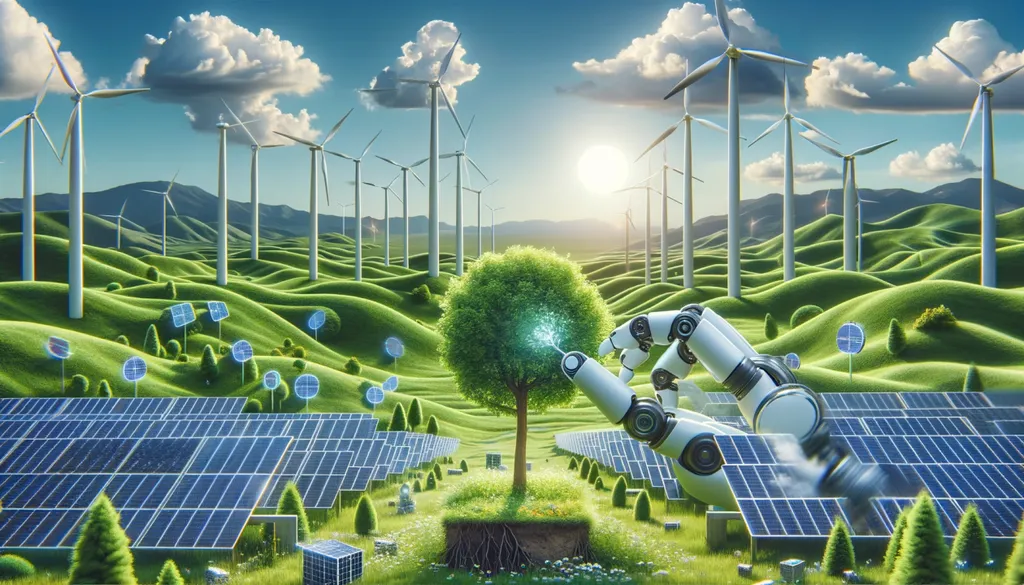
In the quest for a sustainable energy future, a groundbreaking study published in the *JOIV: International Journal on Informatics Visualization* is shedding light on the transformative potential of artificial intelligence (AI) and machine learning (ML) in the renewable energy sector. Led by Tien Han Nguyen from Hanoi University of Industry, the research explores how these advanced technologies can optimize biofuel production, enhance biomass energy systems, and improve solar power efficiency. The findings suggest that AI and ML could revolutionize the way we harness and utilize renewable energy, with significant commercial implications for the agriculture sector.
The study highlights how AI and ML algorithms can optimize every stage of the biofuel supply chain, from feedstock selection to fuel synthesis. By analyzing vast amounts of data, these technologies can identify the most efficient and sustainable sources of biomass, reducing costs and environmental impacts. “The integration of AI and ML in biofuel production not only enhances efficiency but also mitigates the environmental footprint,” says Nguyen. This optimization can lead to more profitable and sustainable agricultural practices, as farmers can make data-driven decisions to improve crop yields and resource management.
Moreover, the research demonstrates that AI and ML can significantly improve the performance of combustion systems and engines. By enhancing engine design and control techniques, these technologies can increase fuel efficiency and reduce emissions. This is particularly relevant for the agriculture sector, where machinery and transportation are major sources of greenhouse gas emissions. “The application of ML algorithms in engine design contributes to cleaner and more efficient operations, aligning with the global push towards sustainability,” explains Nguyen.
In the realm of solar energy, the study shows that ML algorithms can analyze large datasets to optimize the design, operation, and maintenance of photovoltaic systems. This can lead to increased energy output and system efficiency, making solar power a more viable and attractive option for farmers and rural communities. The commercial impact of this research is substantial, as it can drive down the costs of renewable energy and create new opportunities for agricultural businesses to adopt sustainable practices.
The collaboration between academia, industry, and policymakers is crucial to expedite the transition to a sustainable energy future. By harnessing the potential of AI and ML in renewable energy, we can establish a more sustainable energy ecosystem that benefits future generations. As the agriculture sector continues to evolve, the integration of these technologies will play a pivotal role in shaping a greener and more efficient industry.
The research led by Tien Han Nguyen from Hanoi University of Industry, published in the *JOIV: International Journal on Informatics Visualization*, offers a glimpse into the future of renewable energy. By leveraging AI and ML, we can optimize biofuel production, enhance biomass energy systems, and improve solar power efficiency. The commercial impacts for the agriculture sector are profound, paving the way for a more sustainable and profitable future. As we continue to explore the potential of these technologies, the possibilities for innovation and progress are endless.