
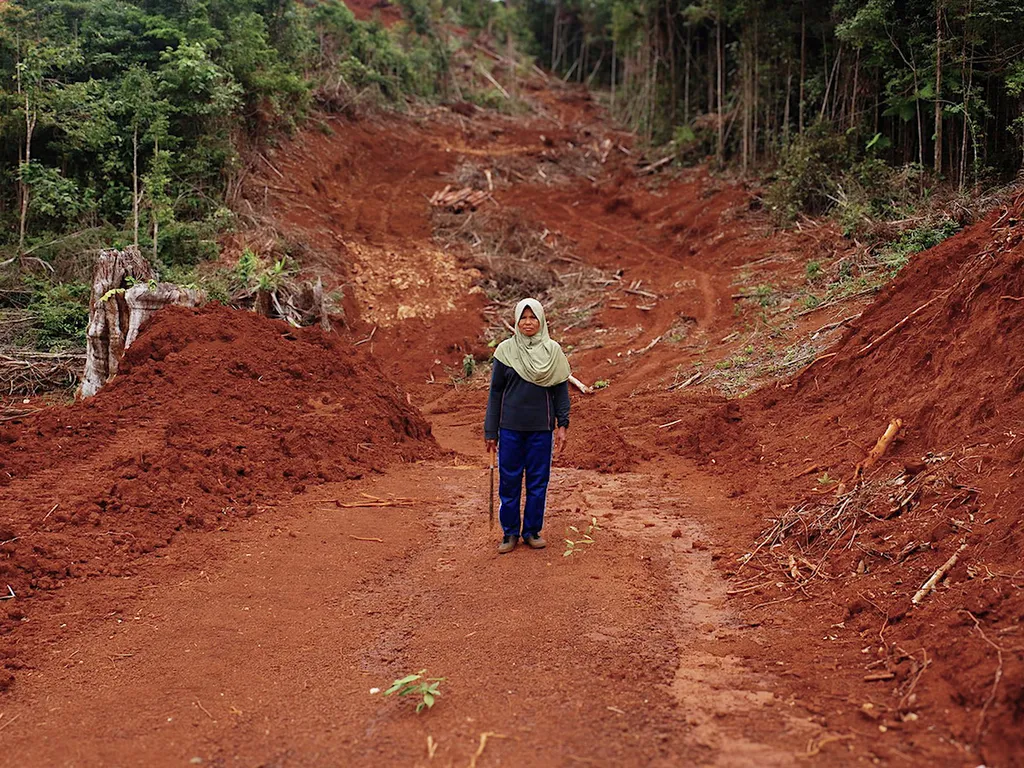
In the heart of East Kalimantan, Indonesia, a groundbreaking solution is emerging to tackle the persistent challenge of post-mining land reclamation. Ruspita Sihombing, a researcher from Politeknik Negeri Samarinda, has developed an automatic irrigation system that promises to revolutionize the way we restore degraded lands, making them productive and environmentally friendly once again.
The system, detailed in a recent study published in the JOIV: International Journal on Informatics Visualization, combines cutting-edge technology to optimize water use and support sustainable plant growth. At its core, the system integrates soil moisture sensors, water pumps, sprinklers, solar panels, solenoid valves, and microcontrollers. These components work in harmony to regulate irrigation efficiently and precisely, ensuring water is applied only when needed.
“Conventional irrigation systems are inefficient and require intensive monitoring,” Sihombing explains. “Our innovative solution aims to address these issues by automating the process, thereby reducing water consumption and improving irrigation effectiveness across large and diverse areas.”
The implications for the agriculture sector are significant. The system has demonstrated a remarkable reduction in water consumption by 34.2% compared to conventional methods. This not only conserves a precious resource but also reduces operational costs for farmers. Additionally, the system allows for remote management via the Internet or mobile apps, cutting irrigation time by a substantial 75 minutes.
The potential for this technology extends beyond post-mining land reclamation. It could be a game-changer for the broader agriculture industry, particularly in regions facing water scarcity or where manual irrigation is labor-intensive. By automating the irrigation process, farmers can focus on other critical aspects of their operations, ultimately enhancing productivity and sustainability.
Sihombing’s research highlights the importance of integrating technology into traditional agricultural practices. As the world grapples with the effects of climate change and the need for sustainable land use, such innovations become increasingly vital. The automatic irrigation system developed by Sihombing and her team is a testament to the power of technology in addressing real-world challenges.
The study’s findings suggest that this system could pave the way for future developments in precision agriculture. By leveraging real-time data and automation, farmers can achieve more efficient and sustainable outcomes. This research not only shapes the future of post-mining land reclamation but also sets a precedent for the broader adoption of smart technologies in agriculture.
As the agriculture sector continues to evolve, the integration of such innovative solutions will be crucial in meeting the demands of a growing population while preserving the environment. Sihombing’s work serves as a beacon of hope, demonstrating how technology can be harnessed to create a more sustainable and productive future for agriculture.