
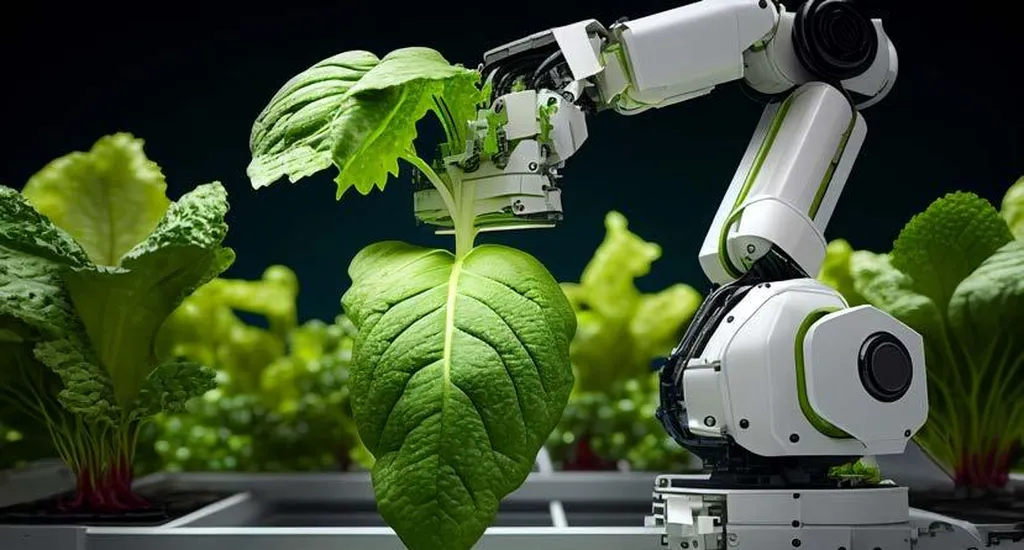
In the face of a burgeoning global population, the agricultural sector is under increasing pressure to boost food production while maintaining sustainability. A recent study published in the *JOIV: International Journal on Informatics Visualization* offers a promising avenue for addressing these challenges through the lens of smart livestock farming. Led by Liyana Safra Zaabar of the National Defense University of Malaysia, the research delves into how automation, IoT sensors, and machine learning can revolutionize livestock management, ensuring food security without compromising environmental health.
The study systematically reviews the integration of IoT-based technologies in livestock farming, focusing on key areas such as automated feeding, environmental monitoring, and health tracking. By leveraging motion, temperature, humidity, and biometric sensors, farmers can gather real-time data to make informed decisions. “The efficiency of these sensor technologies in collecting and processing data cannot be overstated,” notes Zaabar. “They enable farmers to respond swiftly to changes in animal health and environmental conditions, ultimately optimizing resource utilization.”
One of the most compelling findings is the potential of machine learning algorithms to enhance production and animal health. Techniques such as pattern identification, anomaly detection, and predictive analytics can predict disease outbreaks, optimize feeding schedules, and reduce resource waste. “Machine learning models have shown remarkable accuracy in detecting anomalies in animal behavior and health,” explains Zaabar. “This proactive approach not only improves animal welfare but also boosts overall productivity.”
The commercial implications of these findings are substantial. Automation in livestock farming reduces the need for manual labor, lowering operational costs and improving decision-making. By minimizing human intervention, farmers can focus on strategic planning and innovation. “The adoption of smart farming technologies can significantly enhance the profitability of livestock operations,” says Zaabar. “It’s a win-win situation for both farmers and the environment.”
The study also highlights the environmental benefits of smart livestock farming. By optimizing resource use and reducing waste, these technologies contribute to a more sustainable agricultural ecosystem. “Sustainability is at the heart of smart farming,” Zaabar emphasizes. “By minimizing the environmental footprint, we can ensure food security for future generations.”
While the research presents a compelling case for the adoption of smart farming technologies, it also acknowledges the need for further exploration. Areas such as real-time data processing, refining machine learning models, and developing affordable solutions for widespread adoption require continued investigation. “The future of livestock management lies in the seamless integration of technology and sustainable practices,” Zaabar concludes. “With further research, we can unlock the full potential of smart farming to address global food security challenges.”
As the agricultural sector continues to evolve, the insights from this study offer a roadmap for leveraging technology to create a more efficient, sustainable, and profitable future. The integration of IoT sensors and machine learning in livestock farming is not just a technological advancement but a necessity for meeting the demands of a growing population while preserving our planet’s resources.