
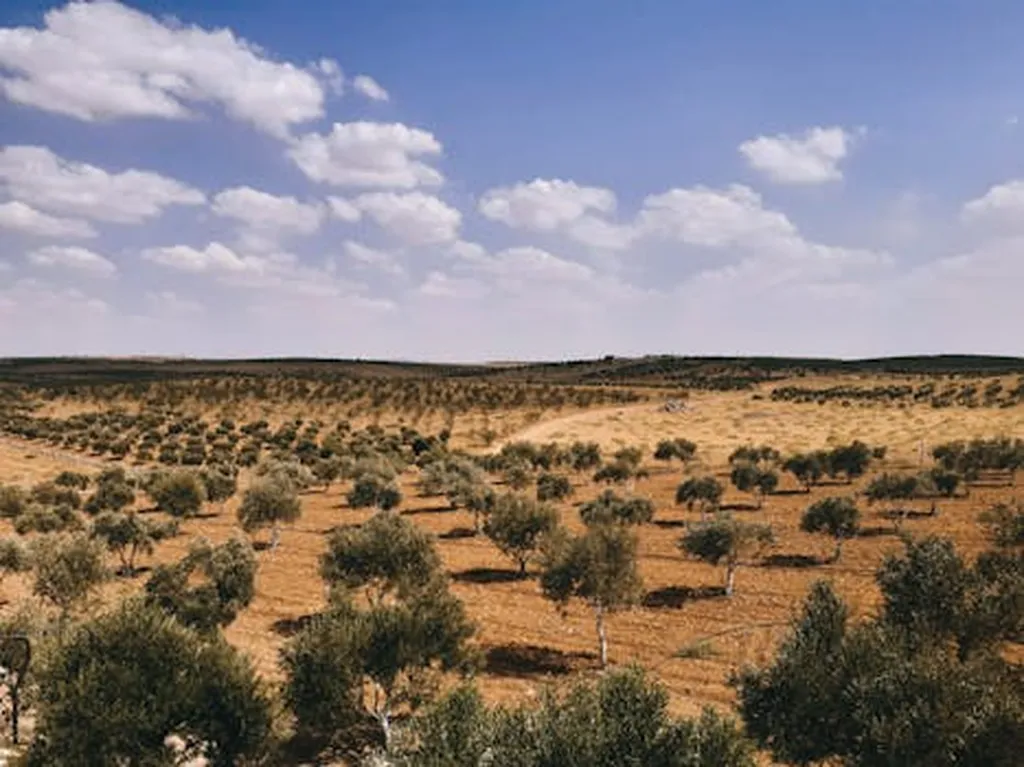
In the sun-scorched landscapes of the Mediterranean, olive trees have long been a symbol of resilience, their gnarled trunks and silver-green leaves enduring centuries of drought. But as climate change intensifies, even these hardy trees are feeling the strain. New research published in the journal *Plants* sheds light on how olive trees adapt to water stress, offering insights that could help farmers cultivate more resilient crops in an uncertain climate.
The study, led by María del Pilar Cordovilla of the Center for Advances Studies in Olive Grove and Olive Oils at the University of Jaén, Spain, reveals that olive trees undergo significant morphological and phenological changes in response to drought. These changes include reduced leaf area, thicker cuticles, and reinforced root systems, all of which help the trees conserve water and maintain their physiological functions.
“Under drought conditions, olive trees develop a suite of structural and anatomical adjustments that collectively enhance water-use efficiency,” Cordovilla explains. These adaptations, however, come at a cost. The study found that water stress leads to reduced flower induction, lower flowering intensity, decreased fruit set, and overall lower yields. The most pronounced effects are observed in sensitive cultivars, with flowering being the most vulnerable stage of development.
The commercial implications of these findings are significant. Olive oil is a multi-billion-dollar industry, with Spain, Italy, and Greece being the world’s top producers. As droughts become more frequent and severe, farmers may face declining yields and increased economic uncertainty. However, understanding the mechanisms behind drought tolerance could help breeders develop more resilient varieties.
“By understanding the interplay between morphological, anatomical, and phenological responses, we can offer valuable criteria in selecting and breeding resistant varieties,” Cordovilla says. This could lead to the development of olive cultivars that are better equipped to withstand water stress, ensuring productive and sustainable olive cultivation under increasingly severe climatic conditions.
The research also highlights the importance of phenology—the timing of biological events—in determining a tree’s resilience to drought. By studying how different cultivars respond to water stress at various stages of development, researchers can identify key traits that contribute to drought tolerance. This information could be used to guide breeding programs and select cultivars that are better adapted to changing climatic conditions.
As climate change continues to reshape agricultural landscapes, research like this is crucial. It provides a roadmap for farmers, breeders, and policymakers to navigate the challenges posed by drought and ensure the long-term sustainability of olive cultivation. By harnessing the natural adaptations of olive trees, the agriculture sector can cultivate resilience in the face of an uncertain future.
The study, “Drought-Induced Changes in Morphology and Phenology of Olive Trees (Olea europaea L.)”, was published in the journal *Plants* and led by María del Pilar Cordovilla of the Center for Advances Studies in Olive Grove and Olive Oils at the University of Jaén, Spain.