
In the heart of Indonesia’s Yogyakarta Special Region Province, Sleman Regency is grappling with a silent crisis that threatens its agricultural backbone. A recent study published in the *JOIV: International Journal on Informatics Visualization* has shed light on the alarming decline of agricultural land health in the region, offering a stark warning about the impacts of unchecked urbanization. Led by Guntur Bagus Pamungkas from Universitas Terbuka, the research employs cutting-edge geospatial techniques to reveal a troubling trend that could reshape the future of agriculture in rapidly urbanizing areas.
Using NDVI-based remote sensing and GIS technology, the study analyzed Landsat imagery from 2017 to 2022 to track changes in agricultural land health. The findings are sobering: healthy agricultural lands have dwindled to a mere 4581.56 hectares by 2022, a fraction of the region’s total area. “The consistent decline in healthy agricultural lands is a red flag,” Pamungkas noted. “It underscores the urgent need for integrated spatial planning to protect our agricultural zones.”
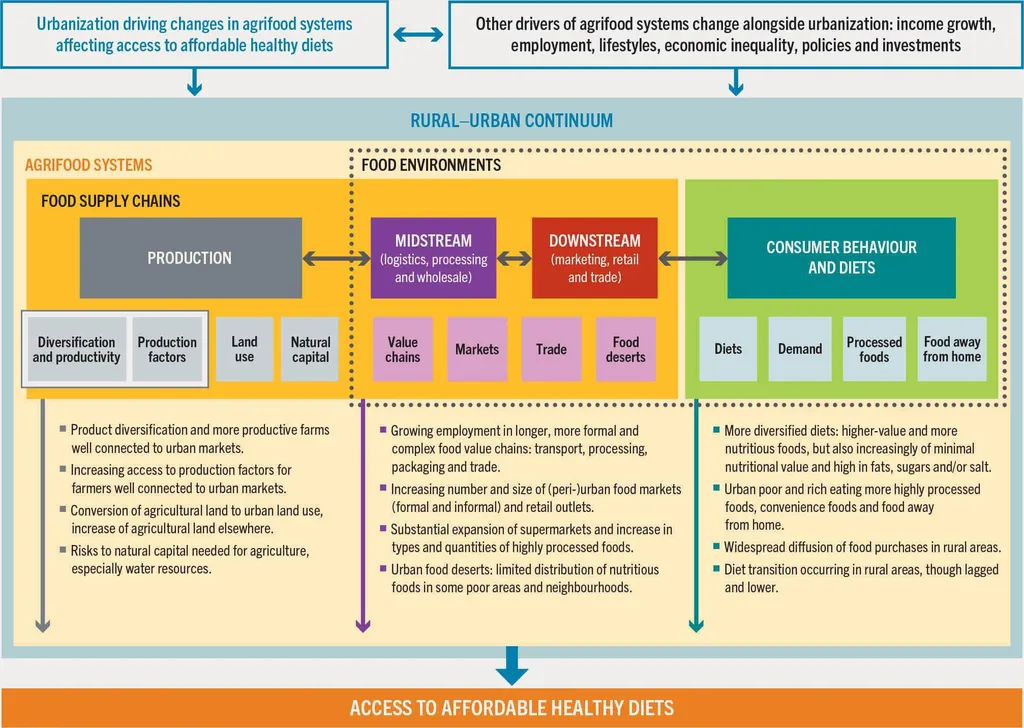
The study highlights a clear pattern of urban encroachment, with expanding urban areas gradually consuming fertile lands. This trend not only threatens food security but also poses significant commercial risks for the agriculture sector. Farmers and agribusinesses in Sleman Regency are already feeling the pinch, as reduced land availability and degraded soil quality impact productivity and profitability. “The economic implications are profound,” Pamungkas explained. “Without intervention, the agricultural sector in Sleman could face severe challenges in sustaining production levels, which could lead to higher food prices and supply chain disruptions.”
The geospatial analysis conducted using QGIS provides a detailed map of land degradation trends, offering valuable insights for policymakers and stakeholders. By visualizing the spatio-temporal impacts of urbanization, the study underscores the importance of proactive measures to safeguard agricultural lands. “Effective regulation and protection of designated agricultural zones are imperative,” Pamungkas emphasized. “This will ensure sustainable cultivation of essential food crops and maintain the overall well-being of the agricultural landscape.”
The research not only contributes to advancing GIS-based land monitoring approaches but also offers actionable insights for sustainable land use policy formulation. As urbanization continues to encroach upon agricultural lands, the need for harmonious urban development that respects agricultural interests becomes increasingly critical. “Strengthening policies for sustainable urban development is pivotal to securing prosperous and balanced socio-economic growth,” Pamungkas concluded.
This study serves as a wake-up call for Sleman Regency and similar regions facing rapid urbanization. By leveraging geospatial technology and data-driven insights, stakeholders can make informed decisions to protect agricultural lands and ensure food security. The findings from this research could shape future developments in the field, promoting integrated spatial planning and sustainable land use practices that balance urban growth with agricultural needs. As the world grapples with the challenges of urbanization, the lessons from Sleman Regency offer a blueprint for sustainable development that prioritizes both economic growth and environmental stewardship.