
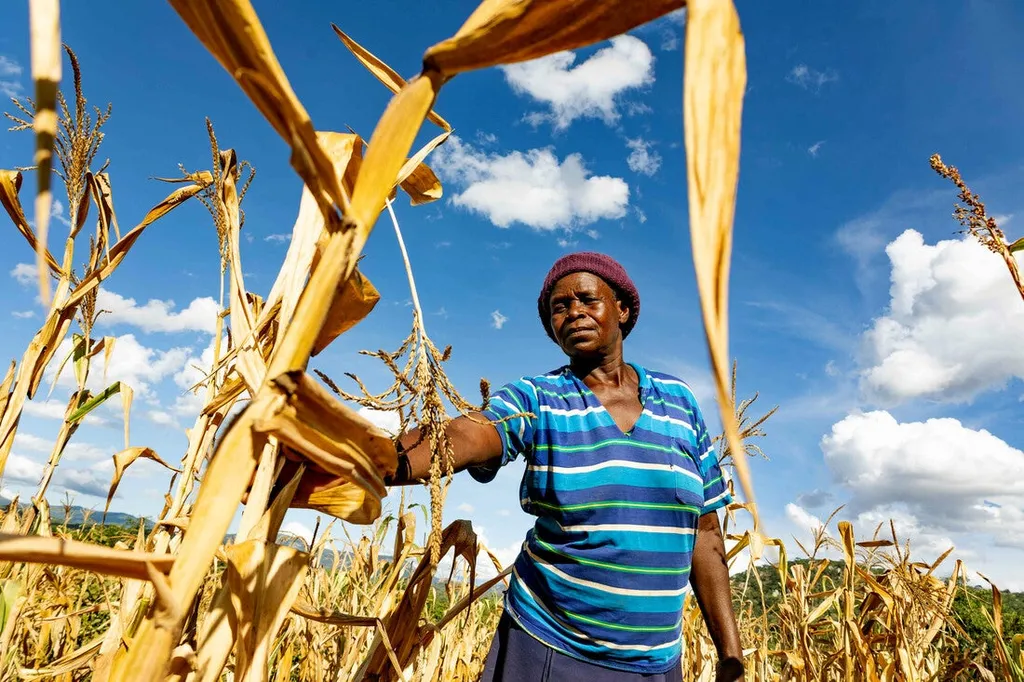
In the heart of Africa, Zimbabwe is grappling with a complex nutrition landscape that is as challenging as it is revealing. A recent study published in the *NAJFNR* journal, led by Tonderayi Mathew Matsungo from the Department of Nutrition, Dietetics and Food Sciences at the University of Zimbabwe, sheds light on the multifaceted nutrition issues plaguing the nation. The research, which aligns with the United Nations 2030 sustainable development agenda, highlights a troubling trend: the coexistence of undernutrition and the emergence of obesity and related diseases, a phenomenon known as the “multiple burden of malnutrition.”
The study reveals that childhood stunting and micronutrient deficiencies, particularly in vitamins A, iron, zinc, and selenium, are rampant among children under five and women aged 15-49. These deficiencies are compounded by poor breastfeeding and infant and young child feeding (IYCF) practices, low dietary diversity, and the ongoing nutrition transition. Cultural and religious beliefs further complicate the adoption of appropriate feeding practices.
“These nutrition challenges are not just health issues; they have profound socioeconomic consequences that span generations,” Matsungo explains. The economic impact on the agriculture sector is particularly significant. As Zimbabwe’s economy is largely agriculture-based, the declining socio-economic situation and COVID-19 restrictions have made poor households more vulnerable, exacerbating food insecurity and malnutrition.
The study underscores the urgent need for nutrition-sensitive agriculture initiatives and the implementation of Food-Based Dietary Guidelines (FBDGs) to promote healthy lifestyles and dietary behaviors. This research could shape future developments in the field by advocating for a holistic approach that integrates nutrition education, agricultural innovation, and policy reforms.
For the agriculture sector, the findings present both challenges and opportunities. Farmers and agribusinesses can play a pivotal role in addressing malnutrition by adopting practices that enhance dietary diversity and nutritional content. Investing in crops rich in essential micronutrients and promoting sustainable farming techniques can contribute to long-term food security and improved public health.
As Zimbabwe navigates these complex nutrition challenges, the study serves as a call to action for policymakers, healthcare providers, and the agriculture sector to collaborate and implement effective, sustainable solutions. The journey towards achieving the UN’s sustainable development goals in nutrition is arduous, but with concerted efforts and innovative strategies, it is within reach.