
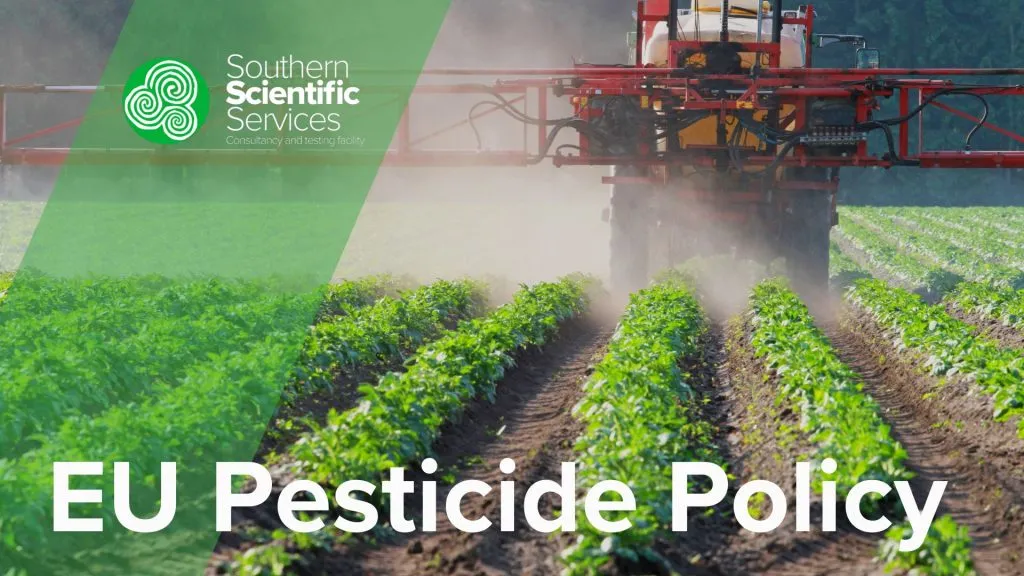
In the pursuit of sustainable agriculture, the European Union’s Farm to Fork Strategy aims to reduce pesticide use by 50% by 2030. However, a recent study published in the *Irish Journal of Agricultural and Food Research* suggests that international assessments may not provide a clear picture of how these reductions will impact crop performance at a regional level, particularly in Ireland. The research, led by M. P. England of Teagasc’s Crop Science Department, underscores the need for localized, empirical data to guide policy and practice.
The study conducted a systematic review of global research on the effects of reducing pesticide use, narrowing its focus to EU-level evidence to better align with Irish cropping systems. While the review found average yield losses consistent with previous EU projections, it also revealed significant variability across different crops, countries, and study methods. This variability highlights a critical gap: the lack of robust, crop- and region-specific data necessary for informed national-level planning.
“Our findings indicate that relying solely on existing international literature may not provide the reliable impact assessments needed for Ireland,” said lead author M. P. England. “There is a clear need for targeted empirical research to evaluate the effectiveness of integrated pest management (IPM) strategies under Irish conditions.”
The implications for the agriculture sector are substantial. Pesticide reduction targets, while environmentally beneficial, could lead to yield losses and economic impacts if not carefully managed. The study emphasizes that while empirical research is crucial, it should not delay forward planning. Instead, a parallel focus on scenario-based foresight and adaptive IPM strategy development can help guide sustainable transitions in the face of uncertainty.
The systemic risks associated with continued reliance on chemical inputs—including resistance development, regulatory pesticide withdrawals, and environmental degradation—further underscore the urgency of this research. By investing in localized studies and adaptive strategies, the agriculture sector can better navigate the complexities of pesticide reduction while maintaining productivity and profitability.
As the EU’s Farm to Fork Strategy moves forward, this research serves as a call to action for policymakers, researchers, and farmers to collaborate on developing region-specific solutions. The path to sustainable agriculture is not one-size-fits-all, and the insights from this study could shape future developments in the field, ensuring that reductions in pesticide use are both effective and economically viable.