
In a groundbreaking review published in *Nano TransMed*, researchers have shed light on the transformative potential of phytosynthesized nanoparticles, offering a green and cost-effective alternative to conventional nanoparticle production methods. The study, led by Great Iruoghene Edo of the Department of Chemistry at Delta State University of Science and Technology in Nigeria, delves into the mechanistic insights, recent advances, and multifaceted applications of these eco-friendly nanoparticles.
Phytosynthesis, the process of synthesizing nanoparticles using plant extracts, leverages phytochemicals such as flavonoids, phenolics, and alkaloids to facilitate metal ion reduction and stabilization. This method not only reduces the environmental impact but also offers a sustainable approach to nanoparticle production. “The green and cost-effective nature of phytosynthesis makes it an attractive alternative to conventional methods,” Edo explains, highlighting the dual benefits of environmental sustainability and economic viability.
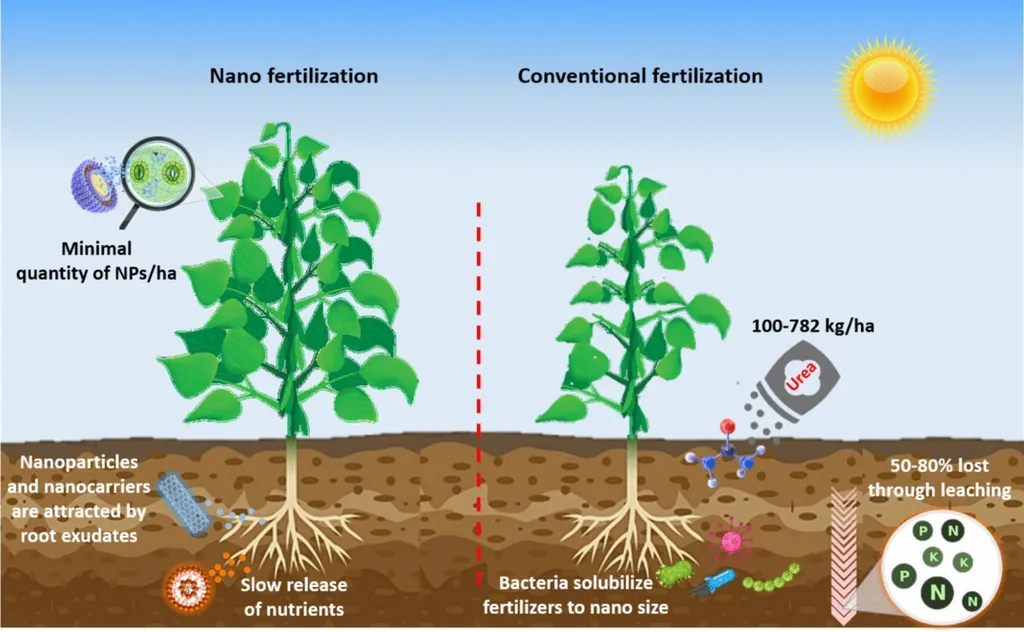
One of the most promising applications of phytosynthesized nanoparticles is in the agricultural sector. Nanofertilizers, synthesized via phytosynthesis, have demonstrated the ability to enhance crop yields by up to 30% while significantly reducing the dependence on chemical fertilizers. This innovation could revolutionize modern agriculture, making it more sustainable and efficient. “By optimizing plant metabolite compositions, we can develop nanofertilizers that are not only effective but also environmentally friendly,” Edo adds, underscoring the potential for widespread adoption in the agricultural industry.
In the medical field, phytosynthesized nanoparticles have shown remarkable potential. Gold nanoparticles, for instance, have exhibited anticancer properties by inducing apoptosis in cancer cells. Additionally, these nanoparticles are being integrated into theranostic structures, which combine diagnostic and therapeutic functions, offering a comprehensive approach to cancer treatment. “The anticancer potential of gold nanoparticles is just the beginning,” Edo notes, hinting at the vast possibilities that lie ahead in nanomedicine.
Environmental applications are equally promising. Phytosynthesized iron and silver nanoparticles have shown over 90% efficiency in heavy metal adsorption and pollutant degradation. This capability contributes to sustainable remediation strategies, addressing critical environmental challenges. “The efficiency of these nanoparticles in pollutant degradation opens up new avenues for environmental cleanup,” Edo states, emphasizing the role of green nanotechnology in achieving sustainability goals.
Despite these advancements, challenges remain. Scaling up production, ensuring batch-to-batch reproducibility, and fully elucidating nanoparticle interactions at the molecular level are obstacles that need to be overcome. Standardizing synthesis protocols and conducting extensive in vivo studies will be crucial in translating laboratory findings into real-world applications. “Interdisciplinary collaborations will be key in resolving these difficulties,” Edo concludes, highlighting the importance of a collaborative approach in advancing the field.
As the world grapples with environmental and agricultural challenges, the research on phytosynthesized nanoparticles offers a beacon of hope. By harnessing the power of plant extracts, scientists are paving the way for a sustainable future, where technology and nature coexist harmoniously. The insights from this review not only shape future developments in nanotechnology but also underscore the potential for eco-friendly innovations to drive progress across various sectors.