
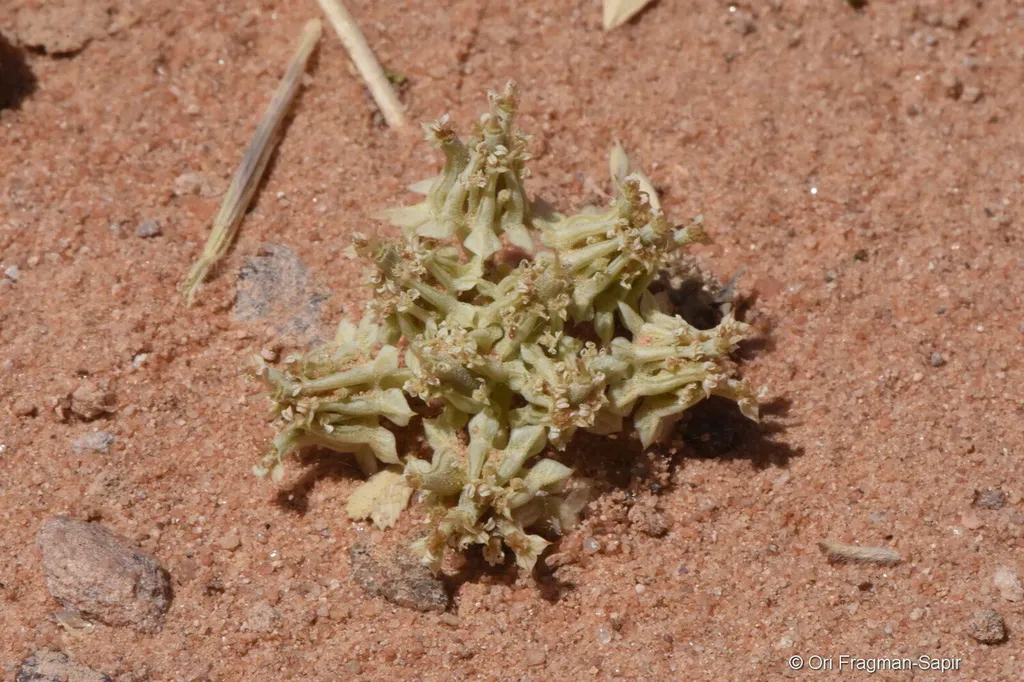
In the heart of Iran’s western and southwestern regions, a humble herb known as Anisosciadium orientale has been quietly thriving, largely unnoticed by the scientific community. However, a recent study published in the *Journal of Agriculture and Food Research* is shedding new light on this promising plant, revealing its potential to boost both the agricultural and medicinal sectors.
Anisosciadium orientale, a member of the Apiaceae family, has been traditionally used as a wild vegetable and medicinal plant. Yet, until now, little scientific research has been conducted to explore its full potential. A team of researchers, led by Saeideh Mohtashami from the Department of Horticultural Science at Jahrom University, set out to change that. Their comprehensive analysis of seven populations of A. orientale has uncovered significant morphological and phytochemical variations, hinting at a wealth of opportunities for sustainable agriculture and community health.
The study evaluated various morphological traits, including the number of stems and leaves, and the fresh and dry weights of the leaves, stems, and flowers. The researchers also conducted a detailed phytochemical profiling, determining the essential oil composition and quantifying polyphenolic compounds. The results were striking. A total of 27 essential oil components were identified, with limonene emerging as the major compound, followed by α-pinene, myrcene, terpinolene, and myristicin. The essential oil yields varied across populations, ranging from 0.36% to 0.48%.
“These findings are particularly exciting because they open up new avenues for the commercial exploitation of A. orientale,” Mohtashami explained. “The high variability in essential oil yields and compositions suggests that this plant could be a valuable resource for the pharmaceutical, cosmetic, and food industries.”
The study also detected twelve polyphenols, with ellagic acid, rosmarinic acid, α-tocopherol, and chlorogenic acid being the most predominant. Statistical analyses revealed significant differences among the populations, with the Khafr population standing out for its unique phytochemical profile. Morphologically, the Fasa and Jahrom-Gorm mount populations showed superior vegetative characteristics, making them ideal candidates for domestication.
The implications of this research are far-reaching. By identifying and introducing new plant species with nutritional and medicinal potential, we can promote sustainable agriculture and improve community health. The high variability in morphological and phytochemical traits among A. orientale populations presents a unique opportunity for breeders to develop new cultivars tailored to specific industrial needs.
As Mohtashami noted, “This study is just the beginning. The next step is to explore the biological activities of these compounds and their potential applications in various industries. We are also planning to conduct further studies to understand the genetic basis of these variations, which could pave the way for more targeted breeding programs.”
In the quest for sustainable agriculture and improved community health, Anisosciadium orientale could well be a hidden gem waiting to be polished. With its promising phytochemical and morphological variations, this humble herb from the heart of Iran might just hold the key to a healthier, more sustainable future.