
In the quest for sustainable agriculture, scientists are turning to nature’s tiny decomposers for solutions. A recent study published in the *Journal of Pure and Applied Microbiology* has isolated and identified promising microorganisms that could revolutionize crop residue management and soil fertility. Led by Poonam Yadav, the research highlights the potential of these microbes to break down lignocellulose, a challenging component of plant material, and enhance soil health.
The study isolated 122 microorganisms from diverse sources like crop residues, termite guts, and vermicompost. Among these, 18 stood out for their exceptional ability to decompose lignocellulose. “These microorganisms exhibit robust enzymatic activity, which is crucial for breaking down plant material efficiently,” Yadav explained. This enzymatic prowess could translate into significant benefits for the agriculture sector, offering a sustainable way to manage crop residues and improve soil fertility.
The isolates demonstrated impressive enzymatic potential, with some showing high levels of cellulase, xylanase, and pectinase activity. These enzymes are key players in breaking down complex plant materials into simpler compounds that can be absorbed by plants. Notably, isolates CRDB52 and CRDF32 emerged as top performers, showcasing the highest enzymatic activities in the study.
Beyond their decomposing abilities, some of these microorganisms also exhibited plant growth-promoting traits. They produced indole-3-acetic acid (IAA), a hormone that stimulates plant growth, and solubilized phosphate, a crucial nutrient for plants. “These traits make them valuable for agricultural applications, as they can enhance plant growth and nutrient uptake,” Yadav noted.
The study identified several key decomposers, including Bacillus haynesii, Bacillus altitudinis, Bacillus stratosphericus, Fusarium oxysporum, and Aspergillus fumigatus. These findings align with previous research, reinforcing the potential of these microorganisms for sustainable agriculture.
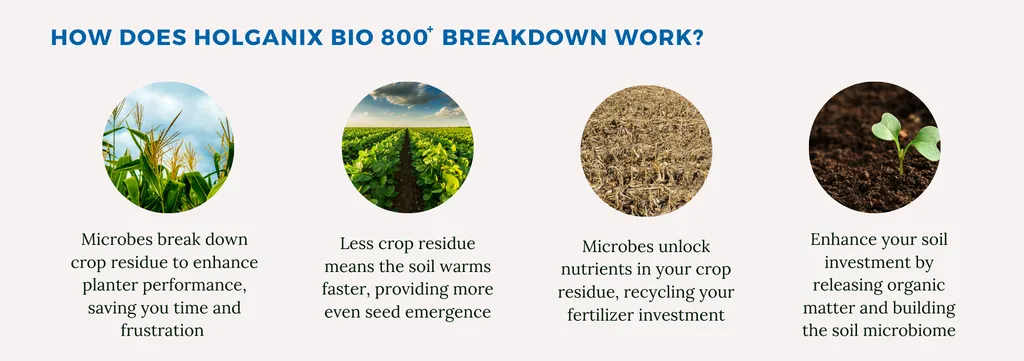
The commercial implications of this research are substantial. By harnessing these microorganisms, farmers could improve crop residue decomposition, leading to better soil health and increased nutrient availability. This could reduce the need for chemical fertilizers and pesticides, lowering input costs and environmental impact. Moreover, the enzymatic versatility of these isolates could pave the way for innovative agricultural products, such as biofertilizers and biopesticides.
As the agriculture sector grapples with the challenges of sustainability and climate change, this research offers a promising avenue for innovation. By leveraging the power of these microorganisms, we could transform agricultural practices, making them more sustainable and productive. The study underscores the importance of exploring nature’s solutions to agricultural challenges, paving the way for a greener, more sustainable future.
The research, led by Poonam Yadav and published in the *Journal of Pure and Applied Microbiology*, provides a significant step forward in the quest for sustainable agriculture. As we continue to uncover the potential of these microorganisms, we may unlock new possibilities for enhancing agricultural productivity and sustainability.