
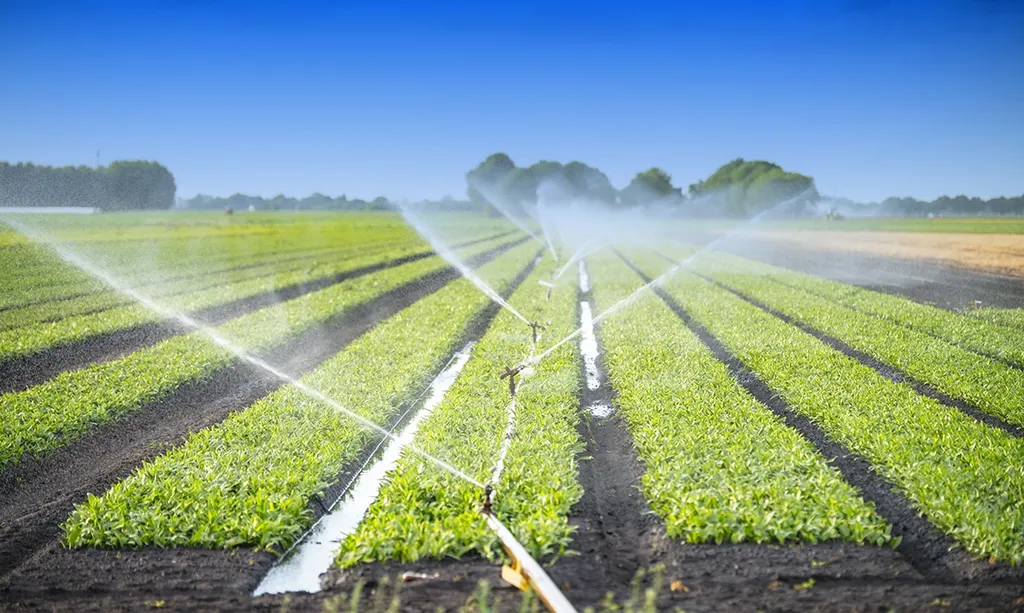
In the face of escalating water scarcity and climate variability, farmers—especially those in off-grid and resource-limited settings—are in urgent need of sustainable irrigation solutions that don’t rely on expensive infrastructure or energy inputs. A new review published in *Next Sustainability* offers a timely exploration of passive irrigation and atmospheric water harvesting (AWH) systems, which could redefine low-input agriculture and bolster food security in vulnerable regions.
The study, led by Carine Shu Shien Lim of the Department of Food Science with Nutrition at UCSI University in Malaysia, examines how passive systems leverage natural forces like gravity, capillary action, and condensation to deliver water without electricity or fuel. These systems are not only energy-efficient but also modular and adaptable, making them particularly suited for smallholders and informal growers who often lack access to high-tech irrigation solutions.
“Passive systems offer a scalable and context-sensitive approach to sustainable agriculture,” Lim explains. “Their low-input design aligns well with the needs of farmers in the Global South, where infrastructure and capital constraints are significant barriers.”
The review introduces an evaluation framework for different passive system types, assessing their performance across diverse environments—from urban and peri-urban settings to arid regions and post-disaster zones. One standout example is the Gel-Wick Farming System (GWFS), a hybrid model that integrates passive irrigation with atmospheric water harvesting. This system demonstrates how modularity and spatial adaptability can enhance water efficiency and energy independence, even in the most challenging conditions.
The commercial implications of this research are substantial. As climate change intensifies water stress, passive irrigation systems could become a cornerstone of climate-resilient agriculture, reducing dependency on fossil fuels and high-energy pumps. For agribusinesses and policymakers, these systems present a cost-effective way to support small-scale farmers while promoting sustainable food systems.
“By focusing on passive technologies, we can empower farmers to adapt to climate variability without relying on expensive or energy-intensive solutions,” Lim adds. “This could be a game-changer for regions where food security is under threat.”
The study suggests that passive systems are not just a stopgap measure but a viable long-term strategy for sustainable agriculture. As the sector continues to grapple with water scarcity and energy costs, these innovations could pave the way for a more resilient and equitable future in farming.