
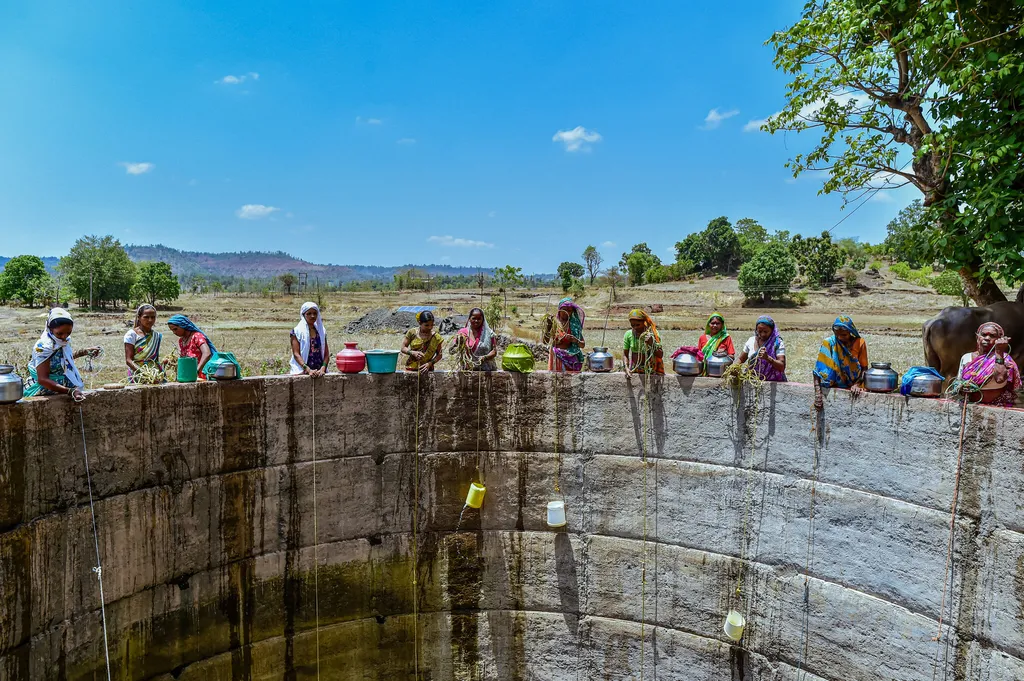
In the heart of southern India, where agriculture is the lifeblood of the economy, a pressing concern looms beneath the surface. Groundwater, a vital resource for irrigation, is facing a silent crisis of quality and salinity. A recent study published in *Cleaner Water* sheds light on this issue, offering insights that could reshape groundwater management strategies in hard rock terrains like those found in Tamil Nadu.
The research, led by S. Richard Abishek from the National Centre for Earth Science Studies (NCESS) in Kerala, delves into the hydrogeochemical characteristics and seasonal variations of groundwater quality. By analyzing 48 samples collected during pre- and post-monsoon periods, the study employs a comprehensive approach that combines major ion chemistry, geochemical plots, and advanced chemometric techniques.
The findings reveal a stark contrast between the pre- and post-monsoon seasons. During the pre-monsoon period, a significant portion of the samples—54.16%—were found to be of poor quality, with high levels of total dissolved solids (TDS) exceeding World Health Organization (WHO) limits. However, the post-monsoon season brought a breath of fresh air, with no poor-quality samples and 54.17% of the samples falling into the excellent category. This improvement is largely attributed to the dilution effect of monsoon rains.
“Seasonal variations play a crucial role in determining groundwater quality,” Abishek explains. “Understanding these variations is essential for developing effective groundwater management strategies that can ensure both drinking water safety and sustainable irrigation practices.”
The study identifies elevated salinity as a key controlling factor in groundwater quality. This salinity is driven by both natural processes, such as evaporite dissolution, and human activities, particularly agriculture. The hydrochemical facies were dominated by calcium, magnesium, chloride, and sulfate, indicative of permanent hardness and evaporite dissolution.
For the agriculture sector, these findings are particularly significant. Irrigation water quality was assessed using several indices, including the Sodium Adsorption Ratio (SAR), Sodium Percentage (Na%), Kelly’s Ratio (KR), Magnesium Adsorption Ratio (MAR), and Permeability Index (PI). The results highlight the need for careful management of irrigation water to prevent soil degradation and ensure sustainable crop production.
“Salinity is a major concern for farmers,” Abishek notes. “High salinity levels can lead to soil degradation, reduced crop yields, and long-term environmental damage. By understanding the sources and controlling factors of salinity, we can develop targeted strategies to mitigate these risks.”
The study’s use of chemometric techniques, which involve statistical and mathematical methods for analyzing chemical data, offers a novel approach to groundwater quality assessment. This method provides a more nuanced understanding of the factors influencing groundwater quality and can help predict future trends.
Looking ahead, the research underscores the importance of season-based groundwater management. By tailoring management strategies to the unique challenges posed by each season, stakeholders can better balance the competing demands of drinking water safety and sustainable irrigation.
As the agriculture sector continues to grapple with the impacts of climate change and increasing water scarcity, studies like this one provide valuable insights and tools for addressing these challenges. By integrating advanced analytical techniques with practical management strategies, the research paves the way for a more sustainable and resilient future for agriculture in southern India and beyond.
Published in *Cleaner Water*, the study led by S. Richard Abishek from the National Centre for Earth Science Studies (NCESS) in Kerala offers a timely reminder of the critical role that groundwater plays in supporting agricultural livelihoods and the urgent need for effective management strategies to safeguard this precious resource.