
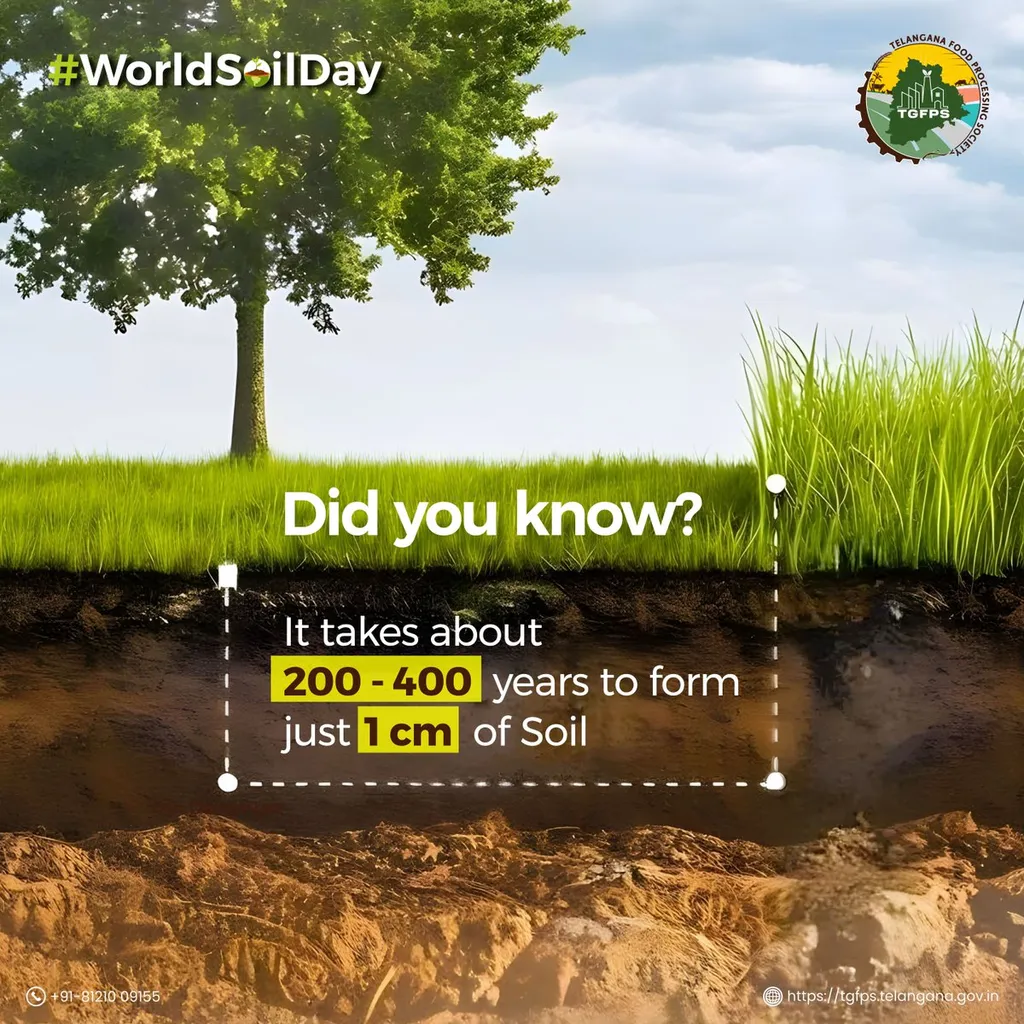
In the heart of Telangana, India, a silent battle is being waged against an invisible enemy: soil erosion. A recent study published in *Nature Environment and Pollution Technology* has shed new light on this pressing issue, offering a beacon of hope for farmers, policymakers, and environmentalists alike. The research, led by Shiva Chandra Vaddiraju, employs cutting-edge technology to assess soil erosion and sediment yield in the Musi River sub-basin, a region undergoing rapid changes due to human activities.
The study’s novelty lies in its integration of the Revised Universal Soil Loss Equation (RUSLE) model with advanced Geographical Information System (GIS) techniques. By leveraging the capabilities of the Google Earth Engine platform, the researchers have harnessed the power of machine learning, specifically the Classification and Regression Trees (CART) algorithm, to generate a highly accurate Land Use Land Cover (LULC) map. This map is crucial for estimating the C factor, a key component in erosion modeling.
“The integration of GIS, machine learning, and remote sensing technologies has significantly improved the precision of our erosion modeling,” Vaddiraju explains. The results of the study are both enlightening and concerning. The analysis reveals that 95.6% of the research area experiences very low soil erosion, with rates ranging from 0 to 1 ton per hectare per year. However, the study also highlights that 60.8% of the area has a low sediment yield, with rates ranging from 0 to 1 ton per hectare per year.
The dominance of the agriculture class, which accounts for 51.4% of the research area, underscores the critical role of farming in the region. However, the conversion of agricultural land to open plots for developmental activities poses a significant threat to soil health. As Vaddiraju notes, “As the study area consists of major towns and cities, and the agricultural area is being converted to open plots (barren lands for developmental activities), erosion may increase in the future.”
The implications of this research for the agriculture sector are profound. By providing a detailed assessment of soil erosion and sediment yield, the study offers valuable insights for farmers and agricultural managers. These insights can inform soil conservation strategies, helping to mitigate the negative impacts of erosion and sediment yield on crop productivity and soil fertility.
Moreover, the study’s innovative approach to erosion modeling sets a new standard for future research in the field. By integrating advanced technologies and machine learning algorithms, researchers can achieve unprecedented levels of accuracy and precision in their assessments. This, in turn, can facilitate more effective soil conservation efforts and inform policy decisions aimed at protecting the environment and promoting sustainable development.
As the world grapples with the challenges of climate change and environmental degradation, studies like this one offer a glimmer of hope. By harnessing the power of technology and innovation, we can better understand and address the complex issues facing our planet. And in doing so, we can pave the way for a more sustainable and prosperous future for all.
The research, led by Shiva Chandra Vaddiraju, was published in *Nature Environment and Pollution Technology*, offering a roadmap for future developments in the field of soil conservation and agricultural management.