
In the ever-evolving landscape of precision agriculture, a groundbreaking development has emerged from the labs of Universitas Jambi, promising to revolutionize how we monitor and manage crop diseases. Researchers have successfully integrated Internet of Things (IoT) technology with advanced machine learning to create a smart plant growth chamber capable of detecting and classifying anthracnose disease severity in chili peppers. This innovation, detailed in a recent study published in the Andalas Journal of Electrical and Electronic Engineering Technology, could significantly impact the agriculture sector by enhancing disease management and improving crop yields.
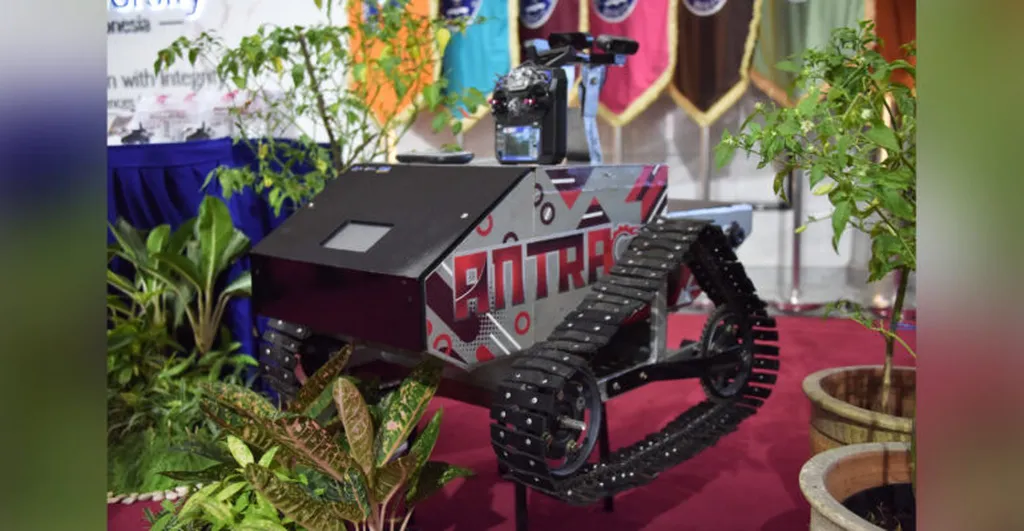
The system, developed by lead author Mochammad Rizky Abadi Sutoyo and his team, combines environmental control, robotic imaging, and real-time data communication to create a comprehensive monitoring solution. “Our goal was to develop a system that could provide precise, automated monitoring of plant health under controlled conditions,” Sutoyo explained. The chamber’s environmental parameters, including temperature, humidity, and light, can be manually or automatically adjusted to mimic various growing conditions, offering researchers unparalleled flexibility.
At the heart of this innovation lies the YOLOv8 machine learning model, which has been trained to detect and classify the severity of anthracnose disease in chili peppers. The model achieved a mean average precision (mAP) of 67.4% and successfully identified 44 out of 102 test samples, demonstrating its potential for real-world applications. “The integration of YOLOv8 allows for rapid and accurate disease detection, which is crucial for timely intervention and disease management,” Sutoyo noted.
The commercial implications of this research are substantial. By enabling early detection and precise monitoring of plant diseases, the system can help farmers and researchers implement targeted treatments, reducing the need for broad-spectrum pesticides and minimizing environmental impact. “This technology has the potential to transform precision agriculture by providing actionable insights that can improve crop health and yield,” Sutoyo said.
Moreover, the system’s remote monitoring capabilities allow for data collection and analysis from anywhere, making it an invaluable tool for large-scale agricultural operations. The integration of IoT and edge AI technologies in this system sets a new standard for agricultural research and disease management, paving the way for future developments in the field.
As the agriculture sector continues to embrace technological advancements, innovations like this smart plant growth chamber will play a pivotal role in shaping the future of farming. By leveraging the power of IoT and machine learning, researchers and farmers can work together to create more sustainable, efficient, and productive agricultural practices. The study, published in the Andalas Journal of Electrical and Electronic Engineering Technology and led by Mochammad Rizky Abadi Sutoyo from Universitas Jambi, represents a significant step forward in this exciting journey.