
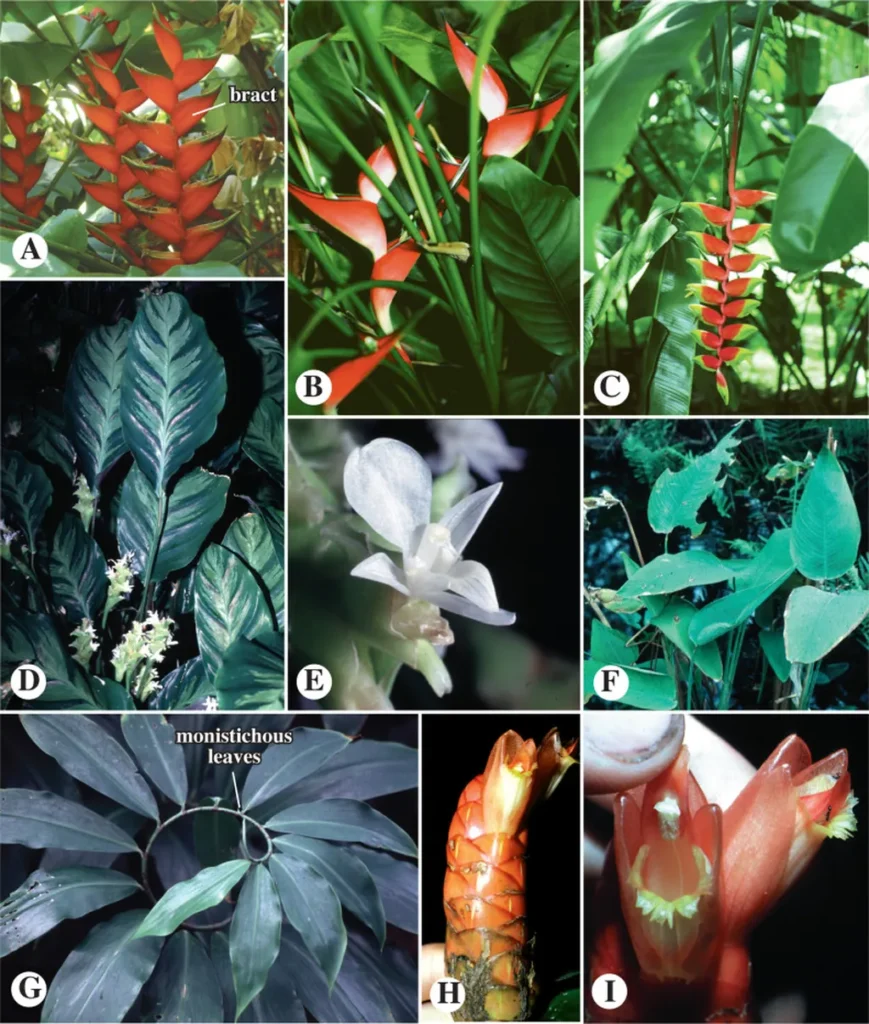
In the heart of every kitchen and traditional medicine cabinet lies a family of plants that have been cherished for centuries: the Zingiberaceae. This family, which includes galangal, turmeric, cardamom, and ginger, has been the subject of a recent minireview published in *Current Research in Biotechnology*. The research, led by Maima Matin of the Institute of Genetics and Animal Biotechnology of the Polish Academy of Sciences, sheds light on the medicinal potential of these plants and their possible integration into modern medicine.
The Zingiberaceae family has long been celebrated for its diverse health-promoting properties. From antioxidant and anti-inflammatory effects to antimicrobial, anticancer, cardiovascular, digestive, and metabolic benefits, these plants pack a powerful punch. “The pharmacological activities of these species are vast and varied,” Matin explains, highlighting the importance of understanding their mechanisms to harness their full potential.
The review summarizes existing research on the primary bioactive compounds found in these plants, including diverse phenolics, terpenes, and various other secondary metabolites. These compounds contribute to the therapeutic benefits observed in traditional formulations and phytopharmaceutical preparations. For instance, turmeric’s curcumin is renowned for its anti-inflammatory properties, while ginger’s gingerol is celebrated for its digestive benefits.
The commercial implications for the agriculture sector are significant. As the demand for natural and plant-based remedies continues to grow, farmers and agribusinesses have a unique opportunity to diversify their crops and tap into the lucrative market of medicinal plants. “The future development of drugs and nutraceuticals from these plants is promising,” Matin notes, but she also cautions that challenges such as bioavailability issues and the need for more clinical studies must be addressed.
The research underscores the need for further investigation into the pharmacological activities of Zingiberaceae species. By identifying key areas for future research, the review aims to facilitate the integration of these plants into modern medicine. This could lead to the development of new drugs and nutraceuticals, providing innovative solutions for various health conditions.
For the agriculture sector, this research opens up new avenues for crop diversification and value addition. Farmers can explore cultivating these high-value crops, while agribusinesses can invest in processing and marketing these plants for their medicinal properties. The potential for economic growth and innovation in the agriculture sector is immense, driven by the increasing global interest in natural and plant-based health solutions.
In conclusion, the minireview by Matin and her team provides a concise yet comprehensive overview of the medicinal potential of the Zingiberaceae family. By highlighting the pharmacological activities and bioactive compounds of these plants, the research paves the way for their integration into modern medicine. For the agriculture sector, this means new opportunities for crop diversification and value addition, contributing to economic growth and innovation. As the world continues to embrace natural and plant-based remedies, the Zingiberaceae family stands at the forefront of this exciting frontier in health and agriculture.