
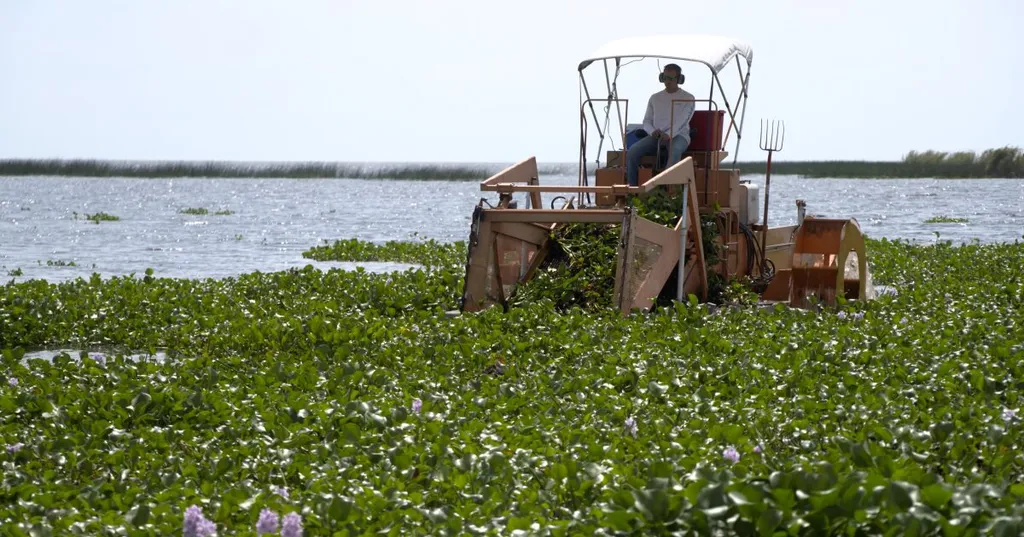
In the quest for sustainable agriculture, researchers have turned an invasive nuisance into a potential boon for farmers. A recent study published in *Scientific African* explores the nutrient content and safety of compost derived from water hyacinth (WH), a notorious aquatic weed, combined with cattle manure. The findings suggest that this unconventional mix could offer a viable alternative to chemical fertilizers, reducing dependency on synthetic inputs while promoting nutrient recycling.
Water hyacinth, known for its rapid growth and ecological disruption, has long been a headache for water bodies worldwide. However, this study, led by Dessie Tibebe from the University of Gondar in Ethiopia, reveals that the plant’s invasive nature might actually be an asset. “Water hyacinth is a problem, but it’s also a resource,” Tibebe explains. “By converting it into compost, we can turn a liability into a sustainable solution for agriculture.”
The research team experimented with three different ratios of water hyacinth to cattle manure, monitoring the composting process over 60 days. They analyzed various physicochemical properties, including pH, moisture content, electrical conductivity, and nutrient levels. The results were promising: the compost’s pH levels were within the acceptable range, and heavy metal concentrations were below the permissible limits set by the FAO/WHO. This means that the compost is safe for agricultural use, addressing one of the primary concerns about using invasive species in farming.
However, the study also highlighted areas for improvement. While the compost showed potential, the total nitrogen (TN) and available phosphorus (P) levels were below optimal ranges. This suggests that while water hyacinth-based compost is a safe and sustainable option, it may need to be enhanced with additional nutrients to maximize its effectiveness.
The commercial implications for the agriculture sector are significant. As the global push for sustainable practices intensifies, farmers are increasingly looking for eco-friendly alternatives to chemical fertilizers. Water hyacinth-based compost could provide a cost-effective and environmentally friendly solution, particularly in regions where the weed is prevalent. By leveraging this invasive species, farmers can reduce their reliance on synthetic fertilizers, lower production costs, and contribute to a more sustainable agricultural ecosystem.
The study also opens up new avenues for research and development. Future studies could explore ways to enhance the nutrient content of water hyacinth compost, such as through the addition of specific microbial inoculants or other organic amendments. Additionally, the scalability of this composting process could be investigated to determine its feasibility for large-scale agricultural applications.
As the world grapples with the challenges of climate change and environmental degradation, innovative solutions like water hyacinth-based compost offer a glimmer of hope. By turning a problem into a resource, researchers are paving the way for a more sustainable and resilient agricultural future. “This is just the beginning,” says Tibebe. “There’s so much more we can do with water hyacinth and other invasive species to support sustainable agriculture.”
The study, led by Dessie Tibebe from the Department of Chemistry at the University of Gondar, Ethiopia, was published in *Scientific African*, providing a valuable contribution to the ongoing efforts to reduce chemical fertilizer use and promote nutrient recycling in agriculture.