
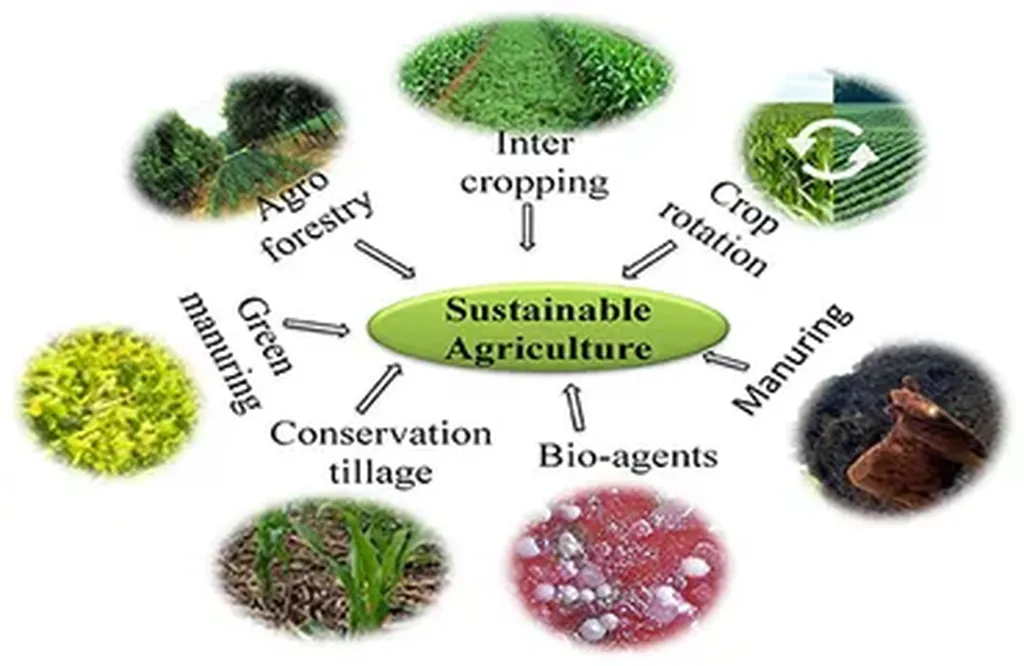
In the quest for sustainable agriculture, scientists are turning to an unlikely ally: bacteria. A recent review published in *Discover Plants* sheds light on how plant growth-promoting rhizobacteria (PGPR) could revolutionize farming by acting as natural biostimulants. These microscopic organisms, which thrive in the soil around plant roots, are gaining attention for their ability to produce phytohormones—chemicals that regulate plant growth and stress responses. This research, led by Sadhana Giri from the Department of Microbiology at Gurukula Kangri (Deemed to Be University) in Haridwar, offers a promising alternative to synthetic fertilizers and pesticides, potentially reshaping the future of agriculture.
PGPR have long been known for their role in nutrient acquisition and disease suppression, but their hormonal interactions with plants are now coming into sharper focus. “These bacteria produce key phytohormones such as auxins, gibberellins, cytokinins, and ethylene modulators, which directly influence plant growth and resilience,” explains Giri. By leveraging advanced techniques like high-performance chromatography and mass spectrometry, researchers can now isolate and quantify these microbial phytohormones with unprecedented accuracy. This precision is crucial for developing reliable bioinoculants—microbial products that enhance crop productivity while reducing the need for chemical inputs.
The commercial implications of this research are significant. As global demand for sustainable farming practices grows, farmers are seeking eco-friendly solutions that don’t compromise yield. PGPR offer a dual advantage: they boost plant growth and improve stress tolerance, making crops more resilient to environmental challenges like heavy metal contamination and pesticide exposure. “The synergistic benefits of combining different PGPR strains could lead to more robust and adaptable bioinoculants,” says Giri. This adaptability is particularly valuable in diverse soil environments, where traditional fertilizers often fall short.
Beyond their immediate benefits, PGPR-based bioinoculants could drive innovation in the agriculture sector. By integrating traditional microbiological knowledge with modern analytical and molecular approaches, researchers are paving the way for a new generation of farming tools. These tools could help farmers reduce their reliance on synthetic inputs, lower production costs, and meet the increasing demand for organic and sustainably grown produce. The potential for commercialization is vast, with opportunities for startups and established agribusinesses alike to develop and market these bioinoculants.
As the world grapples with the challenges of climate change and food security, the role of PGPR in sustainable agriculture cannot be overstated. This research not only highlights the potential of these bacteria but also underscores the importance of interdisciplinary collaboration in addressing global agricultural challenges. By harnessing the power of phytohormone-producing PGPR, we may soon see a future where farming is not only more sustainable but also more productive and resilient.