
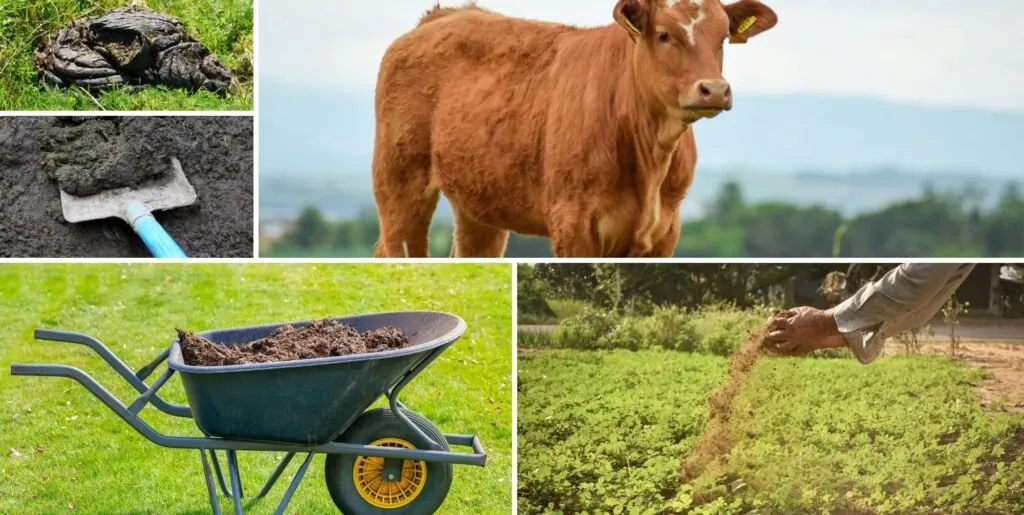
In the quest for sustainable agriculture, researchers are turning to organic fertilizers to boost crop yields and soil health. A recent study published in the *Journal of Agricultural Sciences* offers promising insights into the use of processed cattle manure for cotton production. The research, led by Seval Eliş from Mardin Artuklu University, reveals that integrating processed cattle manure into fertilizer regimes could significantly enhance cotton yield and quality, potentially reshaping the agricultural landscape.
The two-year study evaluated various combinations of processed cattle manure and synthetic fertilizers, focusing on their impact on cotton yield and physiological traits. Parameters such as seed cotton yield, lint yield, ginning percentage, chlorophyll content, and normalized difference vegetation index (NDVI) were meticulously analyzed. The results were striking: combinations involving cattle manure as a base fertilizer outperformed synthetic fertilizers alone.
“Combinations involving cattle manure as base fertilizer exhibited superior performance compared to synthetic fertilizer alone,” Eliş noted. The study found that applying 230 kg da-1 of cattle manure as a base fertilizer resulted in optimal yield and quality, highlighting the potential of organic fertilizers in enhancing crop productivity.
While synthetic fertilizers tended to boost chlorophyll content, cattle manure applications promoted a more balanced improvement in yield components without compromising plant vigor. This balanced approach could be a game-changer for farmers seeking to optimize their crop yields while maintaining soil health.
The commercial implications of this research are substantial. The study suggests that processed manure fertilizer could be used at a dose ten times less than normal manure fertilizer, making it more active and potentially more cost-effective. This could lead to wider adoption of organic fertilizers, reducing reliance on synthetic alternatives and promoting more sustainable agricultural practices.
As the agricultural sector grapples with the challenges of climate change and soil degradation, the findings of this study offer a beacon of hope. By integrating processed cattle manure into fertilizer regimes, farmers could achieve higher yields and better quality crops, all while contributing to a more sustainable future.
The research not only underscores the importance of exploring organic fertilizers but also paves the way for further innovation in the field. As Eliş and her team continue to delve into the intricacies of organic fertilizer use, the agricultural community can look forward to more breakthroughs that will shape the future of farming.
With the study published in the *Journal of Agricultural Sciences* and led by Seval Eliş from Mardin Artuklu University, this research marks a significant step forward in the pursuit of sustainable agriculture. As the world seeks to balance productivity with environmental stewardship, the insights gained from this study could prove invaluable in shaping the future of the agricultural sector.