
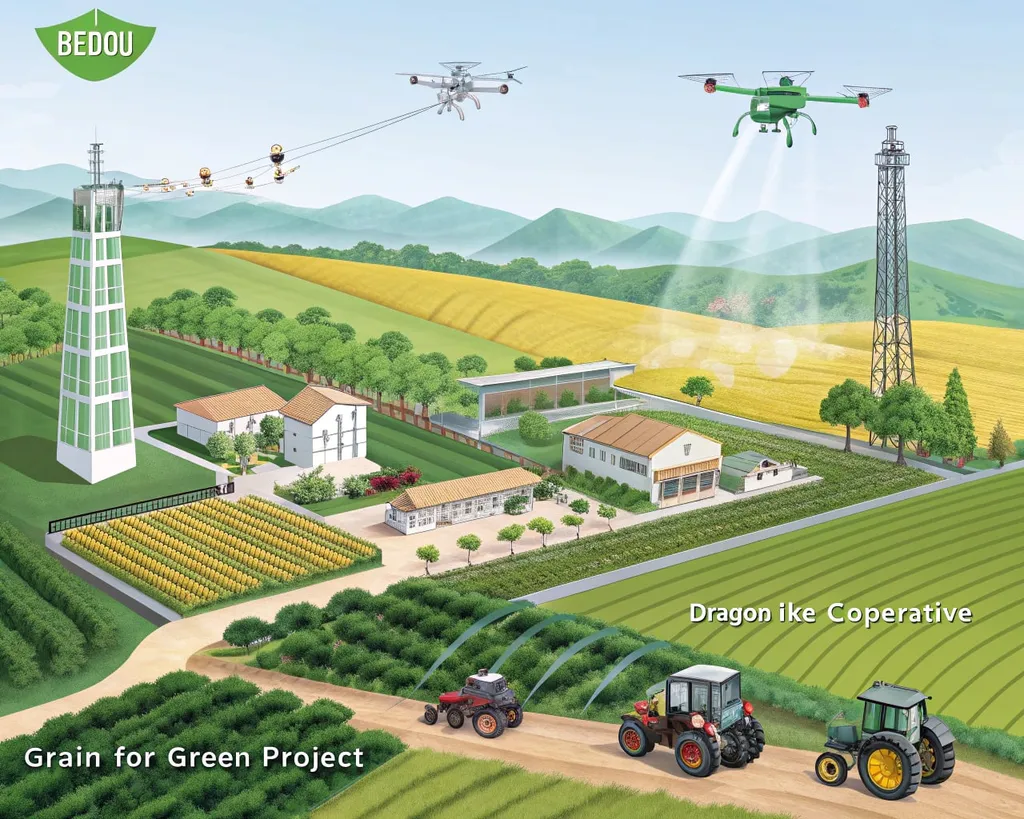
Goyang City, nestled in Gyeonggi Province, has taken a significant step towards redefining its agricultural landscape with the establishment of the “Goyang City Basic Plan for Smart Agriculture Development.” This plan, unveiled by Mayor Lee Donghwan, charts the city’s course for smart agriculture development from 2026 to 2030, aiming to integrate urban and technological innovation in a unique, locally tailored approach.
The plan is rooted in the “Ordinance on the Promotion and Support of Smart Agriculture in Goyang City,” reflecting the city’s commitment to adapting to changes in the agricultural environment. With the vision of becoming a leading city in smart agriculture, Goyang has outlined several key initiatives. These include the establishment of an urban-type smart agriculture demonstration base, the creation of a private sector-led smart agriculture ecosystem, and the advancement of technology for high value-added specialized crops. Notably, the city has proposed the concept of a smart agriculture innovation zone, tentatively planned to span 3.3 million square meters.
The need for smart agriculture has been underscored by recent climate change and a decline in agricultural labor. Goyang has been proactive in laying the groundwork, operating smart agriculture demonstration projects in urban spaces like the Maduh Underpass and promoting smart farms based on private investment within knowledge industry centers. The basic plan systematically reflects these changes, outlining a phased expansion and foundational direction for smart agriculture.
The plan’s main points include establishing the foundation for urban-type smart agriculture, fostering a private sector-led smart agriculture ecosystem, and promoting demonstrations and technological advancement of high value-added specialized crops. The city plans to expand smart agriculture models utilizing idle urban spaces, enhance operational and management systems through collaboration with smart farm technology companies, and develop cultivation models that leverage local characteristics.
The proposed smart agriculture innovation zone is a significant aspect of the plan. This zone aims to attract companies related to smart agriculture and create an agricultural innovation hub that integrates production, residential, research, demonstration, and distribution functions. The city will also establish preparatory groundwork to respond to the Ministry of Agriculture, Food and Rural Affairs’ call for applications for smart agriculture development districts.
An official from Goyang City stated, “Based on this basic plan, we will continue to cooperate with relevant agencies and gather feedback to promote a transition to smart agriculture tailored to local conditions.” This plan not only sets the stage for Goyang’s agricultural future but also serves as a model for other cities looking to integrate smart agriculture into their urban landscapes. As the city moves forward, it will be interesting to see how these initiatives unfold and the impact they have on Goyang’s agricultural sector and the broader community.