
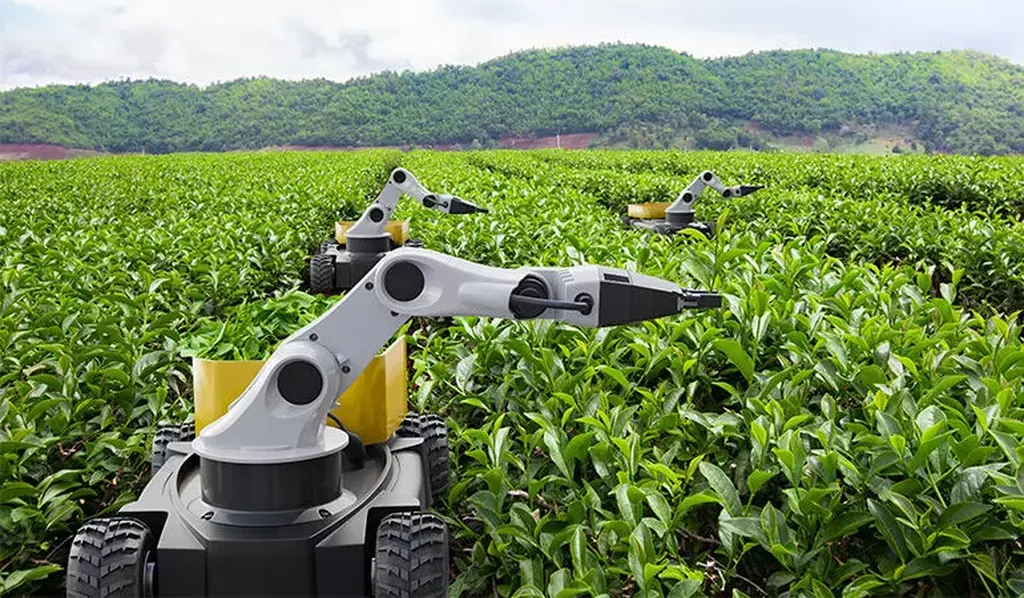
In the heart of West Bengal, a researcher is making waves that could ripple across the global agriculture industry. Mallick Md Abu Imran, a zoologist from West Bengal State University, is leading a charge to revolutionize farming through the integration of artificial intelligence (AI) and Internet of Things (IoT) technologies. His recent review, published in ‘Contemporary Agriculture’, sheds light on how these cutting-edge tools can transform crop management, soil monitoring, and sustainable farming practices.
The convergence of AI and IoT in agriculture is not merely a futuristic concept; it’s a reality that’s already reshaping the industry. Imran’s research highlights how these technologies enable farmers to monitor soil health, crop growth, and weather patterns in real time. “AI-powered systems can identify potential issues, such as pests, diseases, and nutrient deficiencies, allowing for early intervention and minimizing crop losses,” Imran explains. This proactive approach could significantly boost crop yields and reduce waste, addressing some of the most pressing challenges faced by farmers today.
The commercial impacts of these technologies are substantial. IoT devices, such as sensors and drones, provide farmers with actionable insights, enabling them to make informed decisions on planting, irrigation, and harvesting. This data-driven approach can optimize resource use, reduce costs, and ultimately increase profitability. Moreover, the integration of AI and IoT can promote sustainable farming practices, helping farmers respond more effectively to environmental challenges.
Imran’s review also explores the current state of AI and IoT applications in agriculture engineering, identifying prominent applications and proposing an IoT/AI architecture for a Smart Sustainable Agriculture platform. This architecture could serve as a blueprint for future developments, guiding the integration of these technologies into mainstream farming practices.
The potential of AI and IoT in agriculture extends beyond individual farms. By promoting sustainable farming practices, these technologies can contribute to global efforts to combat climate change and food insecurity. They can also foster innovation in the agriculture sector, creating new opportunities for tech companies, startups, and researchers.
As Imran’s research suggests, the future of agriculture lies in the convergence of technology and sustainability. By harnessing the power of AI and IoT, farmers can not only optimize their operations but also contribute to a more sustainable and food-secure future. The journey towards this future has already begun, and the agriculture industry is watching closely.