
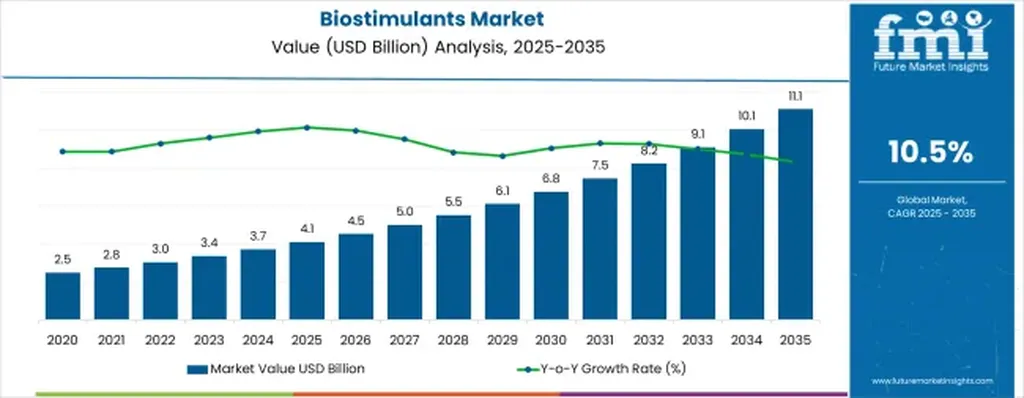
In the quest for sustainable agriculture, a new review published in *Biotropia: The Southeast Asian Journal of Tropical Biology* sheds light on the transformative potential of biostimulants, offering a beacon of hope for farmers and the agriculture sector at large. Led by Anjali G.V. from the Department of Biotechnology at Bannari Amman Institute of Technology, the research delves into the integrative use of non-microbial and microbial biostimulants to enhance the production of therapeutic secondary metabolites in plants.
Biostimulants, derived from plants, animals, and microbes, are gaining traction as organic alternatives to conventional agricultural inputs. Unlike biofertilizers and biopesticides, these substances are classified by their chemical composition and are primarily divided into non-microbial and microbial categories. Non-microbial biostimulants include humic substances, seaweeds, chitosan, protein hydrolysates, amino acids, and inorganic compounds, while microbial biostimulants consist of plant growth-promoting bacteria and beneficial fungi.
The review consolidates recent findings on the positive effects of biostimulants on sustainable agriculture, highlighting their role in promoting plant growth, enhancing nutrient absorption, and improving resilience against abiotic stress. “Biostimulants serve as biocontrol agents that not only promote plant growth and development but also enhance the production of valuable industrial therapeutic secondary metabolites,” explains Anjali G.V., the lead author of the study.
This is particularly significant for the agriculture sector, as it opens up new avenues for the commercial production of medicinal plants. By elevating the secondary metabolite content in therapeutic plants, biostimulants can boost the production of natural remedies and industrial compounds, thereby enhancing the economic value of crops.
Moreover, the research underscores the importance of both microbial and non-microbial biostimulants in replenishing nutrients and improving soil quality. This comprehensive analysis of sustainable agricultural practices paves the way for future research directions in the field of biostimulants.
The implications of this research are far-reaching. As the global demand for sustainable and organic products continues to grow, the integration of biostimulants into agricultural practices could revolutionize the industry. By enhancing plant quality and stress resilience, biostimulants offer a promising solution to the challenges posed by climate change and environmental degradation.
In the words of Anjali G.V., “The future scope of biostimulants in agriculture is vast and positive. They hold the key to unlocking the full potential of plants, not just for food production, but also for their therapeutic and industrial applications.”
As we stand on the cusp of a new era in agriculture, this research serves as a reminder of the power of innovation and the potential of biostimulants to shape the future of sustainable farming. With further exploration and investment, the agriculture sector can harness the full potential of these organic alternatives, paving the way for a more sustainable and prosperous future.