
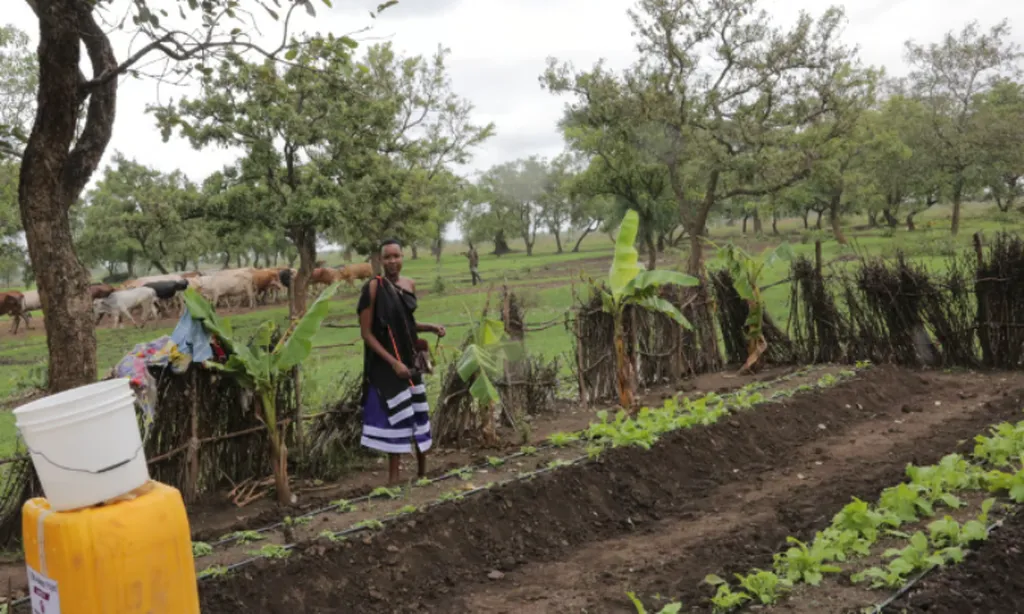
In the heart of Tanzania’s Simiyu Region, a quiet revolution is taking root, one that could reshape the future of cotton farming and bolster the livelihoods of smallholder farmers. A recent study published in the Turkish Journal of Agriculture: Food Science and Technology has shed light on the transformative potential of Climate Smart Agriculture (CSA) practices, offering a beacon of hope for farmers grappling with the challenges posed by climate variability.
The research, led by Fredrick Mfinanga of the Department of Development Finance and Management Studies at the Institute of Rural Development Planning in Tanzania, focused on the Bariadi District. It revealed that the adoption of CSA practices could significantly enhance cotton yield, a finding that has profound implications for the agriculture sector.
“Climate variability is a real threat to cotton farming in Tanzania,” Mfinanga explained. “Our study aimed to establish how sustainable strategies could boost smallholder yield and resilience. The results were promising.”
The study, which surveyed 384 smallholder cotton farmers, found that practices such as intercropping, integrated pest management, soil and water conservation, and irrigation using motor-powered pumps had statistically significant positive effects on cotton yield. Moreover, access to CSA-related training and having alternative sources of income were also positively associated with increased cotton production.
The commercial impacts of these findings are substantial. Cotton is a vital cash crop in Tanzania, contributing significantly to the national economy. By adopting CSA practices, smallholder farmers can not only increase their yields but also enhance their household income, thereby improving their quality of life.
“The study concludes that CSA practices significantly contribute to higher cotton yield and potentially enhance household income,” Mfinanga noted. “Therefore, it is recommended that local government authorities and the Ministry of Agriculture strengthen agricultural extension services and prioritize regular on-farm training and demonstration programs to improve farmers’ awareness and practical adoption of CSA practices.”
The research also highlights the importance of farm size and alternative sources of income in boosting cotton production. This suggests that a holistic approach, which includes not only agricultural practices but also economic diversification, is key to enhancing the resilience and productivity of smallholder farmers.
As the world grapples with the challenges posed by climate change, the findings of this study offer a glimmer of hope. They demonstrate that by adopting sustainable and innovative practices, smallholder farmers can not only adapt to but also thrive in the face of climate variability.
The study’s recommendations, if implemented, could pave the way for a more resilient and productive agricultural sector in Tanzania. It could also serve as a model for other countries grappling with similar challenges, shaping future developments in the field of climate-smart agriculture.
In the words of Mfinanga, “This is not just about increasing cotton yield. It’s about building resilience, enhancing livelihoods, and securing the future of smallholder farmers in the face of climate change.”