
In a significant stride towards enhancing global food security and agricultural sustainability, researchers have successfully engineered cottonseeds that are free from gossypol, a toxic compound that has long hindered the utilization of cottonseed as a valuable food and feed resource. This breakthrough, published in the journal *Food Frontiers*, opens up new avenues for the agriculture sector, potentially transforming cotton into a dual-purpose crop that delivers both fiber and high-quality, safe protein.
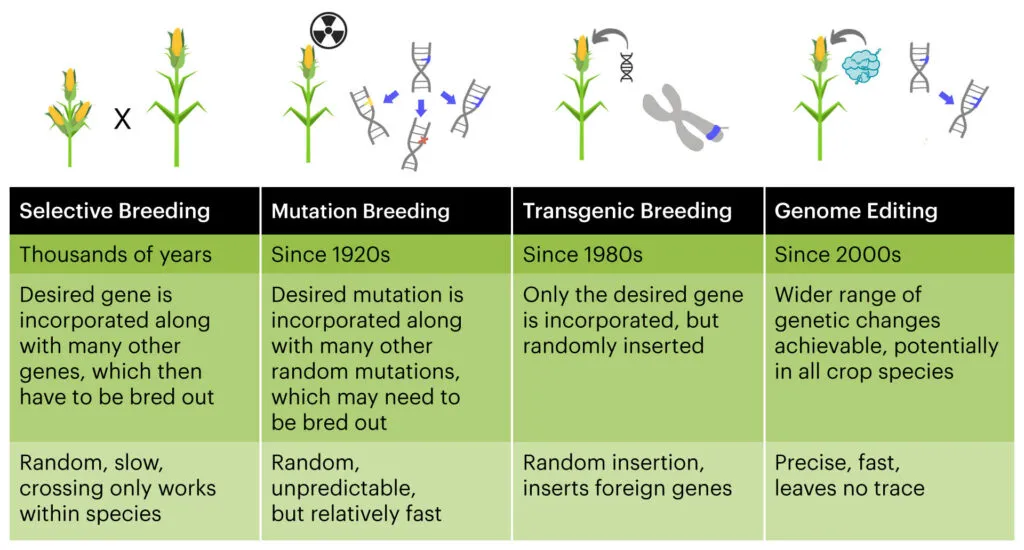
Cottonseed, a byproduct of cotton fiber production, is rich in protein and oil, making it a promising resource for addressing protein malnutrition. However, the presence of gossypol, a defensive compound in cotton plants, has limited its use due to its toxicity to humans and animals. The recent study, led by Teame Gereziher Mehari from the School of Life Sciences at Nantong University in China, employs advanced biotechnological tools such as CRISPR/Cas9 genome editing, RNA interference (RNAi), and virus-induced gene silencing (VIGS) to precisely manipulate gossypol biosynthesis and gland formation.
By targeting key regulators like GoPGF and CGP1, the researchers have created ultralow gossypol cottonseed (ULGCS) while maintaining protective gossypol levels in the plant’s vegetative tissues. “This approach allows us to decouple the nutritional quality of the seed from the plant’s defensive mechanisms,” Mehari explained. The stable transmission of these traits across generations positions cotton as a versatile crop that can simultaneously provide fiber and safe, high-quality protein.
The implications for the agriculture sector are substantial. Integrating ULGCS into food systems could alleviate protein malnutrition, potentially benefiting over 500 million people annually. Additionally, it could expand the $7.4 billion global cottonseed oil market by providing a safer and more nutritious product. “This is a transformative strategy that bridges plant biotechnology, food security, and sustainable agriculture,” Mehari noted.
Looking ahead, the researchers emphasize the need for further advancements. Future studies should integrate multi-omics, precision breeding, genomic selection, and advanced genome engineering to enhance the nutritional value, seed composition, and agronomic performance of ULGCS. Assessing metabolic trade-offs and ecological implications will also be critical to ensure long-term sustainability.
This research not only highlights the potential of biotechnology in addressing global food security but also underscores the importance of sustainable agricultural practices. As the world grapples with the challenges of feeding a growing population, innovations like ULGCS offer a promising path forward. The study, led by Teame Gereziher Mehari from the School of Life Sciences at Nantong University in China, represents a significant step towards a more secure and sustainable agricultural future.