
In the rapidly evolving landscape of agricultural research, the age-old debate of digital versus face-to-face data collection has been given a fresh perspective. A recent study published in the Torkwase Journal of Agricultural Research, led by Verlumun Celestine Gever from the Department of Mass Communication at the University of Nigeria, Nsukka, Nigeria, has shed light on the comparative advantages of these two methods, offering valuable insights for the agriculture sector.
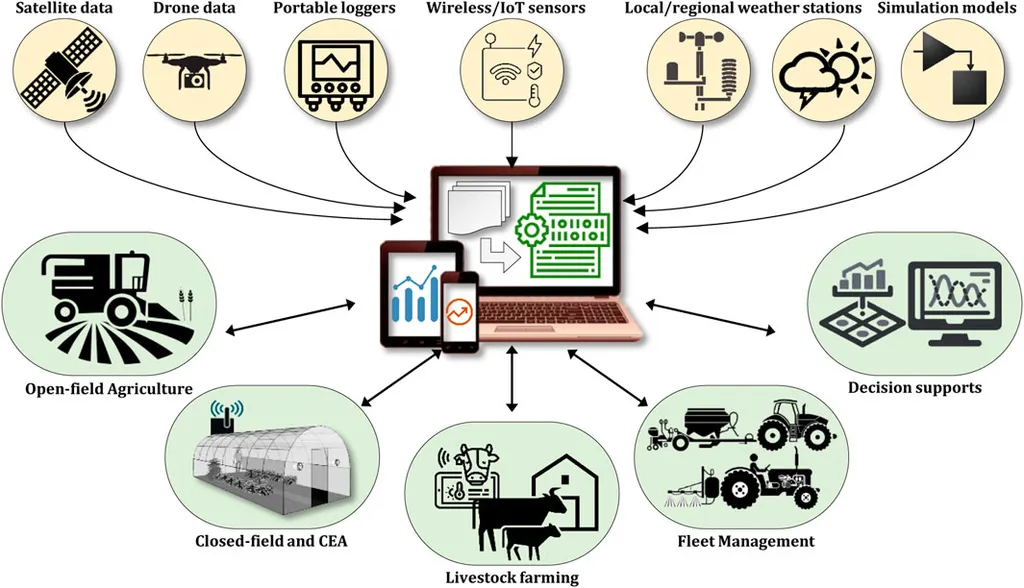
The study, which surveyed 330 agricultural researchers, revealed that digital media platforms offer several advantages over traditional face-to-face data collection methods. These include the ability to collect large volumes of data, the possibility of gathering diverse data, cost-effectiveness, and timely data collection. “Digital media platforms allow researchers to reach a wider audience and collect data more efficiently,” Gever explained. “This can be particularly beneficial in the agriculture sector, where data can be spread across vast geographical areas.”
However, the study also highlighted the unique advantages of face-to-face data collection. These include the ability to interact directly with participants, observe them, probe deeper into responses, use non-verbal cues, control the data collection process, ensure better data quality, and supervise the process. “Face-to-face interactions can provide a richer, more nuanced understanding of the data,” Gever noted. “This can be crucial in agricultural research, where understanding the context and nuances of data can lead to more effective solutions.”
The study found that the nature of the study, the volume of data involved, the location of participants, their educational level and digital skills, the availability of resources, the study’s time frame, and the researchers’ digital skills all influence the choice of data collection method.
The findings of this study have significant implications for the agriculture sector. As the sector continues to grapple with challenges such as climate change, food security, and sustainable agriculture, the ability to collect and analyze data efficiently and effectively is more important than ever. The study suggests that a hybrid approach, leveraging the strengths of both digital and face-to-face methods, could be the way forward.
This research could shape future developments in the field by encouraging agricultural researchers to adopt a more flexible and adaptive approach to data collection. It could also spur the development of new digital tools and platforms tailored to the unique needs of the agriculture sector. As Gever put it, “The future of agricultural research lies in our ability to harness the power of digital media while not losing sight of the value of face-to-face interactions.”