
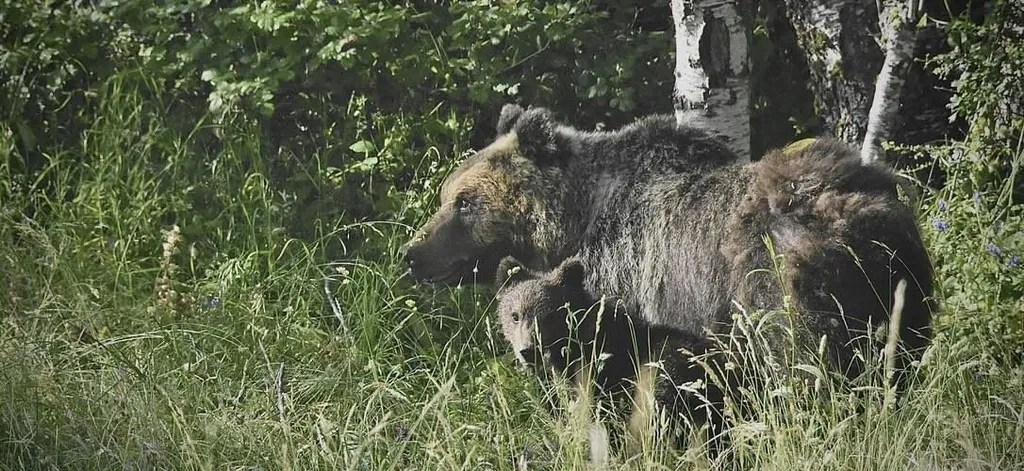
In a groundbreaking study, researchers have discovered that Marsican brown bears in central Italy have evolved to be less aggressive, a clear indication of how human activities are influencing the evolution of wildlife. This research, published in *Molecular Biology and Evolution*, highlights the significant impact humans have on the genetic makeup of wildlife populations.
Marsican brown bears have been isolated from other European brown bears since the Roman era, separated by the expansion of farms and cities. Over centuries, these bears have become smaller and less aggressive, changes that researchers believe are a direct result of interactions with humans. To understand these changes, Italian researchers mapped the genes of Marsican bears and compared them with those of brown bears in Slovakia and the U.S. The study found compelling evidence that Marsican bears have been selected for lower aggression.
Coauthor Andrea Benazzo from the University of Ferrara explained that humans likely killed the more aggressive Marsican bears, leaving a gene pool dominated by more docile individuals. This selective pressure has resulted in a population of bears that are less likely to engage in conflicts with humans, a trait that has been crucial for their survival in close proximity to human settlements.
The findings have important implications for the management of the critically endangered Marsican bears, with only around 60 individuals remaining in the wild. Coauthor Giorgio Bertorelle cautioned against introducing more aggressive brown bears from other regions to boost their numbers. Doing so could dilute the unique gene pool of Marsican bears, potentially increasing conflicts with humans and undermining their survival strategies.
This study is part of a growing body of research demonstrating how human activities are shaping the evolution of wildlife. Another recent study found that polar bears in southern Greenland are evolving adaptations to cope with warmer climates, including changes related to heat stress, aging, and metabolism. These adaptations could help polar bears survive in a changing environment, highlighting the resilience and adaptability of wildlife in response to human-induced pressures.
For the agriculture sector, these findings underscore the importance of understanding and mitigating the impact of human activities on wildlife. As farmers and agricultural investors increasingly encounter wildlife in their operations, it is crucial to develop strategies that promote coexistence. This may involve implementing wildlife-friendly farming practices, creating corridors for animal movement, and supporting conservation efforts that protect critical habitats.
Investors in the agriculture sector should also consider the broader implications of biodiversity loss and the need for sustainable practices. By supporting research and initiatives that promote the conservation of endangered species, investors can contribute to the long-term health of ecosystems and the resilience of agricultural systems. Additionally, investing in technologies and practices that reduce human-wildlife conflicts can help protect both agricultural productivity and biodiversity.
The evolving behavior and genetics of wildlife in response to human activities serve as a stark reminder of the interconnectedness of all living things. As we continue to shape the natural world, it is essential to adopt approaches that foster harmony between human development and wildlife conservation. By doing so, we can ensure the survival of species like the Marsican brown bear and maintain the delicate balance of our ecosystems.