
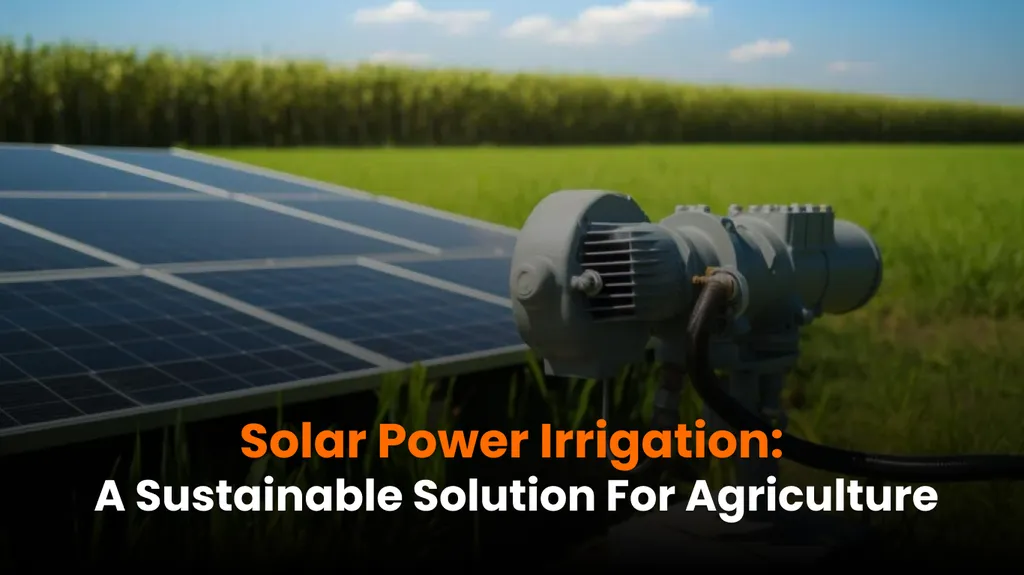
In the heart of agricultural innovation, a new system is emerging that promises to revolutionize the way farmers manage water resources. This isn’t just another irrigation system; it’s a smart, solar-powered solution that learns from the environment and makes decisions based on real-time data. The research, published in *Chemical Engineering Transactions*, introduces a hybrid data-fusion model that could significantly impact the agriculture sector’s sustainability and efficiency.
At the core of this system is an Arduino microcontroller, a humble yet powerful device that serves as the brain of the operation. It’s connected to a network of sensors that monitor soil moisture and weather conditions, providing a constant stream of data. But what sets this system apart is its ability to fuse this data with weather forecasts, creating a comprehensive picture of the environment.
“The system doesn’t just react to current conditions,” explains lead author Alyaa Abdulhussein Al-Joda. “It looks at the bigger picture, considering both current and predicted weather patterns to make informed decisions about irrigation.”
This predictive decision-making is a game-changer. Imagine a scenario where the soil is dry, but rain is on the horizon. Traditional systems would irrigate immediately, wasting water that could be conserved. This new system, however, would delay irrigation, saving water and reducing unnecessary operations. In tests, this approach reduced water use by 27% and cut unnecessary operations by 18% compared to traditional systems.
The commercial implications for the agriculture sector are substantial. With water scarcity becoming an increasingly pressing issue, farmers need efficient, sustainable solutions to manage their resources. This system provides just that, offering a way to optimize water use and improve crop productivity. Moreover, its solar-powered operation ensures a sustainable and self-sufficient solution, reducing reliance on grid power and further enhancing its environmental benefits.
But the potential of this system extends beyond water conservation. By providing a user-friendly interface for remote monitoring and control, it empowers farmers with real-time data and control over their irrigation systems. This could lead to more informed decision-making, improved resource management, and ultimately, enhanced crop productivity.
As we look to the future, this research could shape the development of similar systems, integrating more data sources and advanced algorithms to further optimize agricultural practices. It’s a step towards a more sustainable, efficient, and data-driven approach to farming, one that could help address the challenges of feeding a growing population in a changing climate.
The lead author, Alyaa Abdulhussein Al-Joda, is affiliated with an undisclosed institution, adding an air of intrigue to this groundbreaking research. As the agriculture sector continues to evolve, systems like these will play a pivotal role in shaping its future, driving innovation, and promoting sustainability.