
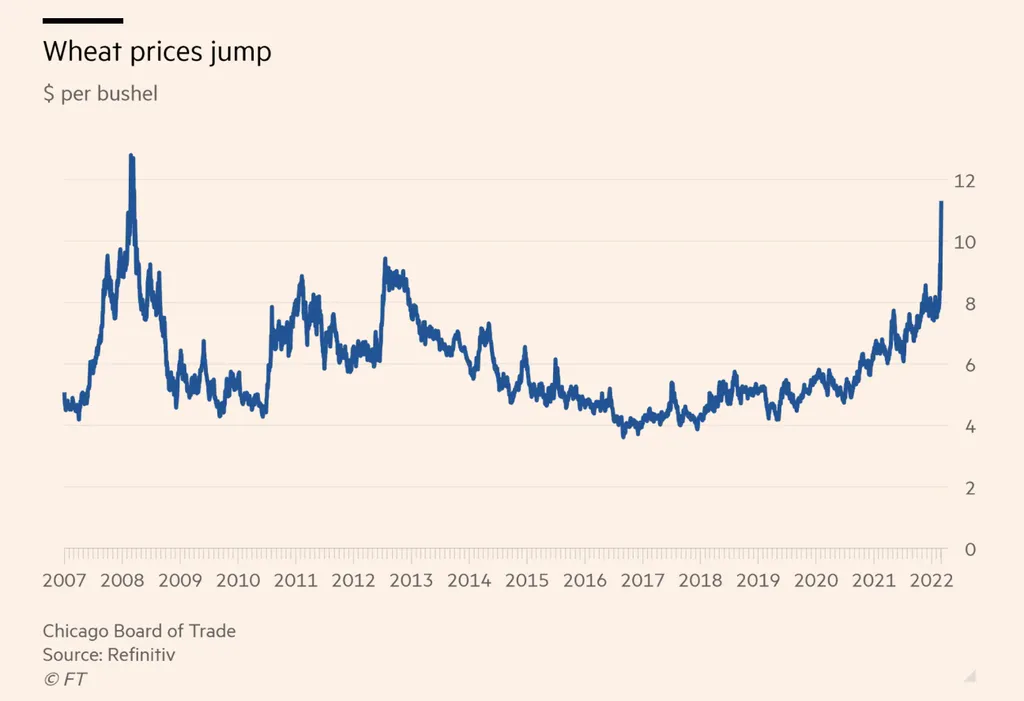
In the latter part of 2025, wheat prices exhibited a complex interplay of factors that defied conventional supply and demand dynamics. As the year drew to a close, the price levels became more varied, reflecting the nuanced influences at play. The US Wheat Associates (USW) highlighted in its Weekly Price Report of Dec. 12 that a weaker dollar and robust commercial sales provided some support to wheat prices. However, the overwhelming bearish influence remained the large global supplies.
The export market for US wheat faced significant challenges, with capacity and logistics playing crucial roles. Increased activity in January and February tightened elevations, affecting rail operations and leading to higher secondary rail freight costs. USW noted that upcoming payments to farmers and ongoing soybean exports to China would continue to impact marketing strategies at the farmgate.
The USDA’s December World Agricultural Supply and Demand Estimates confirmed a bearish outlook, with wheat production increased by 9 million tonnes to a record 837.8 million. This record output, driven by major gains in key exporters like Canada, Argentina, and the EU, significantly outpaced global use. Ending stocks were expected to rise to 274.9 million tonnes, further pressuring prices.
The USDA’s Foreign Agricultural Service (FAS) reported that global prices were largely down since November, except for marginal increases in Canada, the United States, and the EU. Argentine quotes dropped $7 per tonne on an expected record crop, remaining the lowest globally. Russian quotes fell $5 per tonne due to global supply pressures, while Australian prices lost $1 per tonne on an anticipated bumper harvest. Quotes for the United States and Canada both ticked up $2 per tonne with strong exports starting off the trade year.
The United Nations Food and Agriculture Organization (FAO) noted in its final Food Price Index report of the year that global wheat prices rose by 2.5% in November, despite a generally comfortable supply outlook. This increase was attributed to potential Chinese interest in US supplies, concerns over continuing hostilities in the Black Sea region, and expectations of reduced plantings in the Russian Federation.
The International Grains Council (IGC) reported that wheat prices rebounded after hitting a five-year low in mid-October, touching a four-month high. This rebound was supported by firmer soybean prices and renewed concerns over escalating Black Sea tensions. However, the IGC noted that fob values recently eased as no major Chinese wheat purchases emerged, and firmer prices deterred buyers.
For agritech and investors, the implications of these developments are multifaceted. The record wheat production and large global supplies suggest a continued bearish trend in wheat prices, which could impact the profitability of wheat farmers and agribusinesses. However, the need for improved logistics and capacity highlights opportunities for agritech innovations in supply chain management and transportation efficiency.
Investors should closely monitor the geopolitical situation in the Black Sea region, as it continues to influence global wheat prices. The potential for Chinese purchases of US wheat and the impact of soybean exports to China are also critical factors to watch. Additionally, the expected record crops in Argentina and Australia, along with the competitive pricing from these regions, will shape the global wheat market dynamics.
In summary, while the wheat market faces significant challenges due to oversupply, there are opportunities for agritech innovations to address logistical and operational inefficiencies. Investors must stay informed about geopolitical developments and market trends to navigate this complex landscape effectively.