
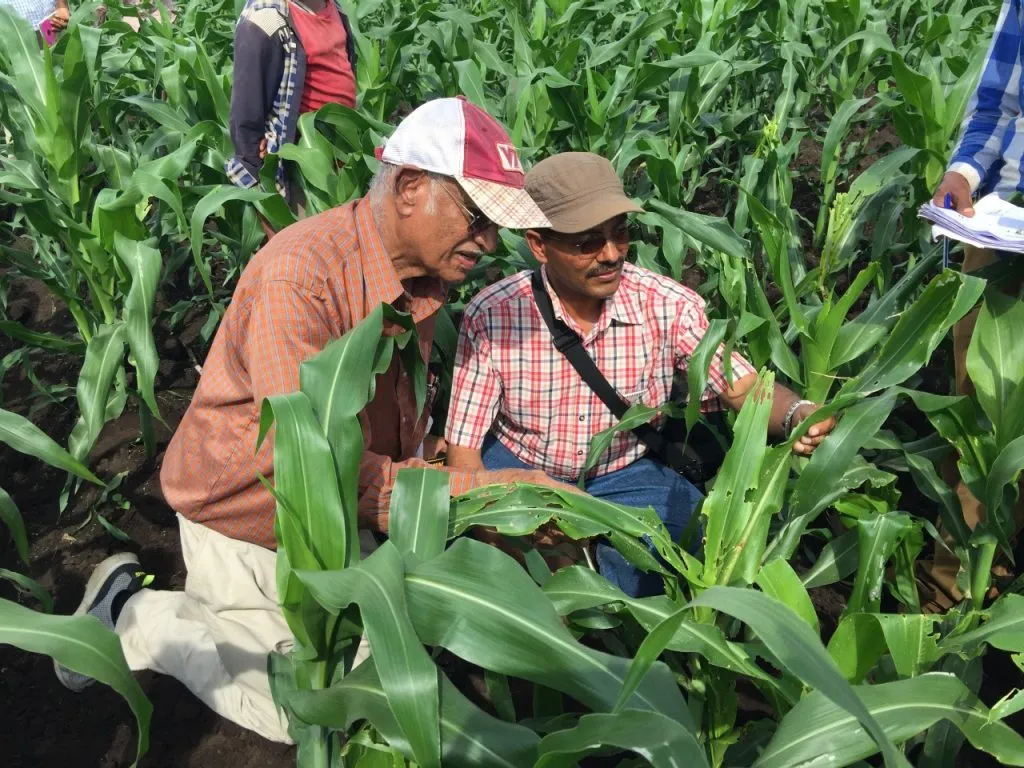
In the heart of Africa, where agriculture is the backbone of many economies, a silent battle rages on—one that pits farmers against pests and diseases threatening their crops. A recent systematic review published in the *Journal of Underutilised Crops Research* sheds light on the strategies African farmers employ to protect their underutilised crops, offering insights that could reshape pest management practices and bolster food security across the continent.
Underutilised crops, often overlooked in favor of staple crops like maize and wheat, play a pivotal role in sustaining food and nutrition security. These crops, known for their resilience to harsh environmental conditions, are a lifeline for many communities. However, they are not immune to the challenges posed by pests and diseases. “Despite their resilience, these crops remain vulnerable to pest and disease challenges,” notes Mosima M. Mabitsela, lead author of the study and a researcher at the University of Zululand.
The review, which followed the PRISMA guidelines for systematic literature reviews, examined 30 relevant articles spanning various African countries. The findings reveal a stark reality: there is a general scarcity of literature addressing pest and disease control in underutilised crops. Publications peaked in recent years, with a notable increase in 2023 and 2024, indicating a growing interest in the topic. Tanzania and Kenya emerged as leaders in research output, highlighting their commitment to understanding and mitigating these agricultural challenges.
Common pests identified in the review include aphids, armyworms, grasshoppers, and legume pod borers. Farmers have developed a range of management strategies to combat these threats, including cultural methods like intercropping and crop rotation, chemical control through the use of insecticides, and mechanical approaches such as hand picking and traps. “The diversity of strategies employed by farmers underscores the importance of integrated pest and disease management (IPDM) practices,” Mabitsela explains.
The commercial implications of these findings are significant. By understanding and adopting effective pest management strategies, farmers can enhance crop yields and improve the economic viability of underutilised crops. This, in turn, can diversify agricultural production, reduce reliance on a few major crops, and enhance food security. The review also highlights the need for further research and innovation in this area, which could lead to the development of new technologies and practices tailored to the unique challenges faced by African farmers.
As the agricultural sector continues to evolve, the insights gleaned from this review could shape future developments in pest management. By fostering a deeper understanding of indigenous knowledge and practices, researchers and policymakers can work together to create more sustainable and resilient agricultural systems. “This review contributes to understanding how African farmers manage pests and diseases in underutilised crops and encourages broader adoption of integrated pest and disease management (IPDM) practices,” Mabitsela concludes.
In a world grappling with the impacts of climate change and increasing disruptions in global food systems, the findings of this review offer a beacon of hope. By harnessing the potential of underutilised crops and implementing effective pest management strategies, African farmers can secure a more sustainable and food-secure future for generations to come.