
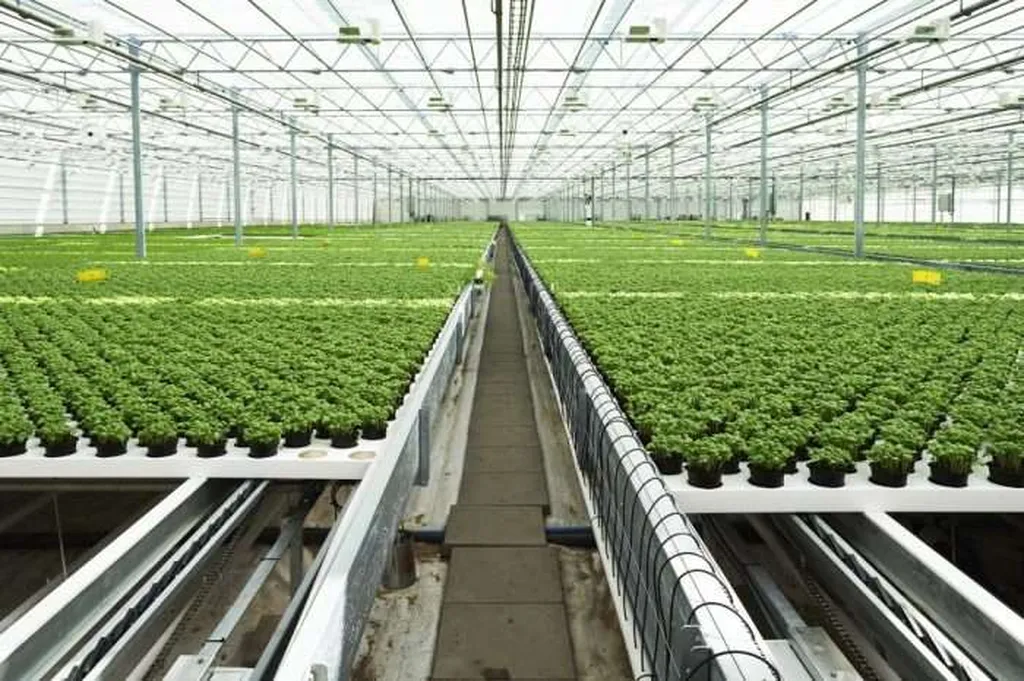
The government of Balochistan has taken a significant step towards modernizing its agricultural sector by announcing plans to implement hydroponic farming methods. This decision was made during a recent meeting of the Parliamentary Committee on the Public Sector Development Program, chaired by Chief Minister Mir Sarfraz Bugti in Quetta.
Hydroponics, a method of growing plants without soil, uses mineral nutrient solutions in a water solvent. This technique is known for its efficiency in water usage and its ability to produce higher yields in controlled environments. The Balochistan government’s initiative will initially be rolled out across ten districts within the province, with a view to expanding it to additional areas in the future.
During the session, Chief Minister Bugti highlighted that the adoption of hydroponics will create new economic avenues for local farmers in Balochistan. He emphasized that this modern farming technique will boost agricultural productivity and sustainability, which are crucial for the province’s economic growth.
The plan involves setting up hydroponics facilities in selected districts in the first phase. If the project takes off and delivers results, it will be expanded step by step to other parts of the province. Reviewing the plan, the chief minister stressed that getting more output with less water is the need of the hour, especially in a region like Balochistan where water scarcity is a significant challenge.
The implications of this initiative are far-reaching. Hydroponic farming can potentially transform the agricultural landscape of Balochistan by providing farmers with a more efficient and sustainable method of cultivation. This could lead to increased crop yields, improved food security, and enhanced economic opportunities for the local population.
Moreover, the adoption of hydroponics aligns with global trends in agriculture, where there is a growing emphasis on sustainable and innovative farming practices. By embracing these techniques, Balochistan can position itself as a leader in modern agriculture within Pakistan.
However, the success of this initiative will depend on various factors, including the availability of resources, the level of technical expertise, and the willingness of farmers to adapt to new methods. The government will need to provide adequate support and training to ensure that the transition to hydroponic farming is smooth and successful.
In conclusion, the Balochistan government’s decision to implement hydroponic farming methods is a bold and forward-thinking move that has the potential to revolutionize the province’s agricultural sector. While challenges lie ahead, the benefits of this initiative could be substantial, paving the way for a more prosperous and sustainable future for Balochistan’s farmers.