
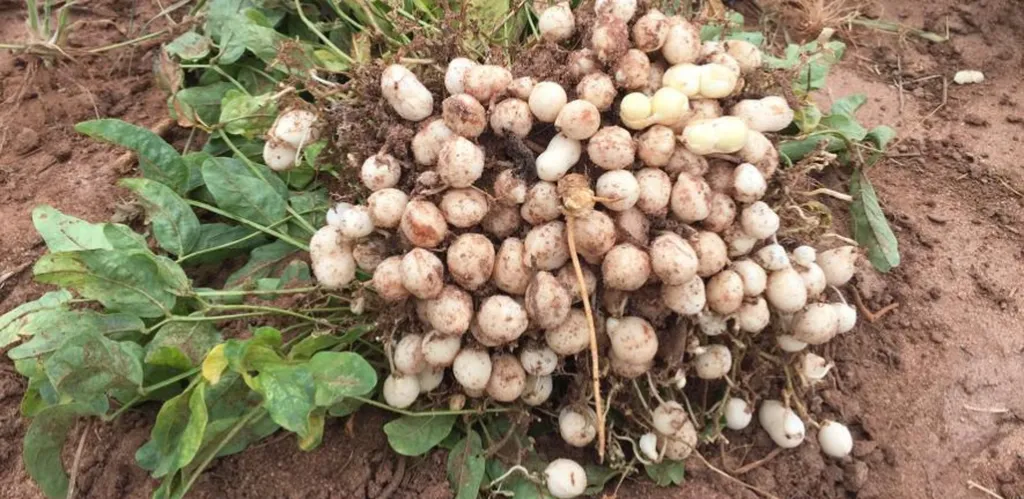
In the face of climate change and the pressing need for sustainable agriculture, researchers are turning their attention to underutilized crops that could hold the key to food and nutritional security. Among these, Bambara groundnut (Vigna subterranea L.) is emerging as a promising candidate, offering a robust solution to the challenges posed by a changing climate and the limitations of current agricultural practices.
Bambara groundnut, a legume native to sub-Saharan Africa, is gaining traction for its resilience and nutritional benefits. A recent review published in the *Journal of Underutilised Crops Research* delves into the potential of this crop to enhance dietary nutrition and support sustainable agriculture. Led by Md Mahmudul H. Khan from the Department of Genetics and Breeding at Universiti Putra Malaysia and the Bangladesh Agricultural Research Institute, the study highlights the crop’s genetic diversity, production dynamics, socio-economic importance, and ongoing genetic improvement efforts.
One of the standout features of Bambara groundnut is its nutritional profile. “It is a nutrient-rich source, providing essential nutrients including carbohydrates, amino acids, proteins, and fatty acids,” Khan explains. This makes it a valuable resource for combating malnutrition, particularly in economically disadvantaged regions where access to animal proteins is limited. The crop’s resilience to diseases and insect infestations further adds to its appeal, making it a low-input, high-output option for farmers.
The commercial implications for the agriculture sector are significant. As climate change continues to impact traditional crops, the need for resilient and adaptable alternatives becomes increasingly urgent. Bambara groundnut’s ability to thrive in harsh conditions and its low susceptibility to pests and diseases could make it a valuable addition to the agricultural landscape. This could open up new markets and opportunities for farmers, particularly in regions where traditional crops are struggling.
However, there are challenges to overcome. The review notes that there is insufficient information on contemporary cultivation methods and that the crop has some unfavourable traits, such as prolonged cooking times. To address these issues, the authors suggest enhancing these attributes through breeding techniques and refining processing procedures. “To ensure the prosperity of the crop for future generations, it is imperative to enhance these attributes,” Khan emphasizes.
The research not only sheds light on the potential of Bambara groundnut but also underscores the importance of exploring and investing in underutilized crops. As the agricultural sector grapples with the impacts of climate change, crops like Bambara groundnut could play a pivotal role in shaping the future of food security. By unlocking the full potential of these crops, we can pave the way for a more sustainable and resilient agricultural system.
As the world seeks innovative solutions to the challenges of climate change and food security, the spotlight is increasingly turning to underutilized crops. Bambara groundnut, with its resilience and nutritional benefits, is poised to play a significant role in this new agricultural landscape. The review by Khan and his team not only highlights the potential of this crop but also serves as a call to action for further research and investment in underutilized crops. In doing so, it offers a glimpse into a future where sustainable agriculture and food security go hand in hand.